Why onchain generative infrastructure matters
The convergence of artificial intelligence and blockchain is creating a distinct market opportunity. Generative AI is unlocking new possibilities for the onchain economy, positioning it as a foundational layer for the next era of the internet. This isn't just about speculative assets; it's about building infrastructure where AI agents and digital art can operate with verifiable provenance and autonomy.
Onchain infrastructure provides the necessary trust layer for AI systems. Unlike centralized databases, blockchain mechanisms require distributed nodes to agree on the validity of new data blocks before they are permanently appended to the ledger. This process ensures that no single actor can manipulate the history of onchain data, providing a single source of truth for all participants. For AI agents that need to execute transactions or verify assets, this immutability is critical.
The market stakes are high because this infrastructure defines the rules of engagement for the digital economy. AWS and other major tech providers are actively exploring how blockchain and generative AI fuel innovation, signaling that this convergence is a structural shift rather than a temporary trend. As AI models become more complex, their ability to interact with onchain assets will depend entirely on the robustness of this underlying infrastructure.
Core onchain generative tools and stacks
Building onchain generative assets requires a shift from traditional web development. You are not just writing code; you are defining immutable logic that lives on the blockchain. The stack typically revolves around three pillars: a robust RPC client for execution, a decentralized file system for storage, and the generative logic itself.
The execution layer: Viem vs Ethers.js
For onchain AI agents, interaction speed and type safety are non-negotiable. Viem has emerged as the modern standard, offering a smaller bundle size and better TypeScript integration than its predecessor, Ethers.js. This makes it ideal for agents that need to execute transactions frequently or react to onchain events in real-time.
| Feature | Viem | Ethers.js |
|---|---|---|
| TypeScript Support | Native, strict typing | Good, but looser |
| Bundle Size | Minimal, tree-shakeable | Larger, heavier |
| RPC Handling | Built-in transports, easy switching | Requires additional plugins |
| Agent Suitability | High, low latency | Moderate, legacy support |
Storage: The Highlight File System
Generative art is not just the final image; it is the source code that creates it. Storing this code on-chain is expensive and limited. The Highlight File System (HFS) solves this by allowing you to upload generative projects onchain while managing the underlying file structure efficiently. It acts as the bridge between your local development environment and the immutable ledger.
The Generative Logic: SVGs and Code
The actual generation often happens through SVGs or lightweight JavaScript snippets that run in the browser or on-chain. This approach keeps the onchain footprint small while allowing for complex, algorithmic art. The code defines the rules, and the blockchain ensures the rules cannot be changed after deployment.

Guardrails for autonomous agents
Autonomous onchain AI agents operate with a level of speed and scale that human operators simply cannot match. This efficiency is also their greatest liability. Without strict cryptographic guardrails, a misconfigured prompt or a compromised oracle feed can trigger irreversible transactions in seconds. The goal of onchain agent safety is not to slow down the agent, but to ensure its actions remain within predefined, verifiable boundaries.
The foundation of this safety lies in how agents interact with data and execute transactions. Agents rely on oracles to fetch offchain information, but as the Chainlink article on agent safety explains, the integrity of that data is paramount. If the data is manipulated, the agent’s decision will be flawed. Distributed node consensus ensures that no single actor can alter the history of onchain data, providing a single source of truth. This prevents the kind of data poisoning that could lead to catastrophic financial decisions.
Beyond data integrity, execution guardrails are critical. These are cryptographic mechanisms that limit what an agent can do. For example, an agent might be allowed to trade up to a certain amount but not exceed a daily loss limit. These limits are hardcoded into the smart contract, meaning the agent cannot bypass them even if it is "hallucinating" or receiving bad instructions. This creates a safety net that protects user funds from both technical errors and malicious exploits.
To build these agents, developers need specialized tools that support these safety features. The following products are commonly used by teams building secure onchain infrastructure, though specific tooling choices depend on your stack.
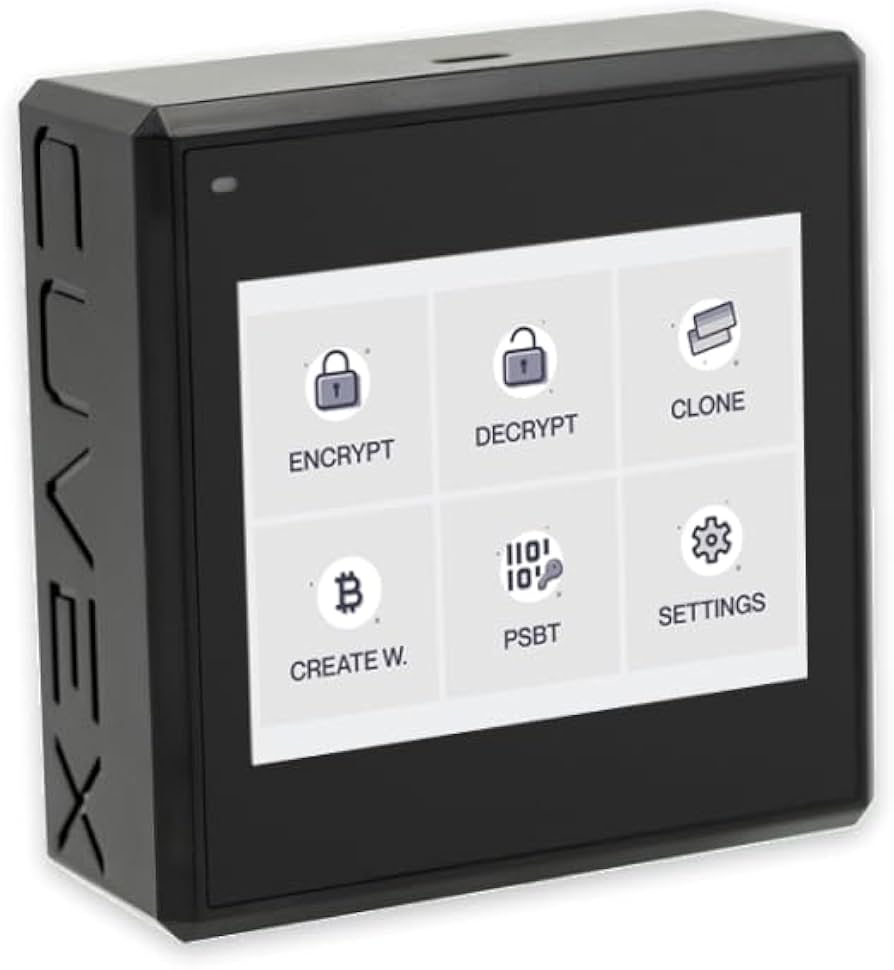


As an Amazon Associate, we may earn from qualifying purchases.
Implementing these layers of security requires a shift in mindset. You are no longer just building an application; you are building a system that operates independently. The stakes are high, and the margin for error is zero. By prioritizing cryptographic guardrails and data integrity, you can harness the power of AI while keeping your users safe.
Market strategy for onchain generative assets
Onchain generative assets sit at the intersection of speculative finance and verifiable digital art. For investors and builders, the market is not a monolith; it is a segmented landscape where value drivers differ sharply between pure financial speculation and cultural utility. Understanding these segments is essential for navigating the high stakes of this emerging narrative.
Speculative vs. Utility Segments
The market primarily divides into two camps: speculative tokens and utility-driven assets. Speculative segments, often represented by AI-agent tokens or broader crypto indices, trade on sentiment and future adoption curves. These assets behave like traditional risk-on equities, heavily influenced by macro liquidity and tech sector momentum. Builders in this space must focus on tokenomics and network effects to sustain value.
Utility-driven segments, such as onchain generative art or AI compute markets, derive value from actual usage. Here, the asset is a key to a service or a verified piece of intellectual property. Price discovery in this segment is slower but often more resilient, as it is anchored by real-world demand rather than pure speculation. Investors should look for protocols with consistent transaction volume and active developer ecosystems.
The Role of Onchain Data
Onchain data provides the only verifiable lens into these segments. Unlike off-chain metrics, which can be inflated or manipulated, on-chain records offer a transparent view of holder distribution, transaction velocity, and smart contract interactions. This transparency allows investors to distinguish between genuine community engagement and bot-driven hype.
For builders, this data is a strategic asset. It enables precise user segmentation, helping teams tailor incentives to high-value participants. By analyzing on-chain behavior, projects can identify power users, detect wash trading, and optimize their go-to-market strategies. This data-driven approach reduces risk and builds trust in a market often criticized for opacity.
Can onchain data be manipulated?
The short answer is no, not in any practical sense. Because onchain data relies on distributed nodes, no single actor can rewrite history or alter past records. Every node on the network must agree on the validity of new data blocks before they are permanently appended to the ledger. This consensus mechanism ensures a single source of truth for all participants.
This architecture is the foundation of onchain AI agent safety. Autonomous programs operate with high stakes, and their reliability depends on the integrity of the data they consume. If data could be easily manipulated, these agents would be vulnerable to malicious inputs or corrupted states. The cryptographic guardrails provided by the network prevent such tampering, allowing agents to act with confidence in a trustless environment.
No comments yet. Be the first to share your thoughts!