What onchain generative infrastructure actually is
Onchain generative infrastructure is the underlying layer that lets AI models and agents operate directly on a blockchain. Unlike traditional AI, which relies on centralized servers or off-chain APIs, this stack performs inference and decision-making as part of smart contracts or decentralized protocols. The result is a system where the logic, data, and execution are all recorded on a public ledger, creating a single source of truth that no single actor can manipulate.
To understand the stack, it helps to break it down into three core components: compute, data, and agents. Decentralized compute networks provide the processing power needed for AI workloads without relying on a few major cloud providers. Tokenized data markets allow models to train on verifiable, on-chain sources rather than scraped internet data. Finally, specialized AI agents communicate over decentralized messaging protocols, trading information and executing tasks autonomously.
This distinction matters because it changes who controls the infrastructure. When AI runs on-chain, the entire process becomes transparent and auditable. You can verify exactly which data was used to generate a result and which compute resources were consumed. This transparency is the foundation for a new economy of specialized AI agents that can interact with each other and with human users in a trustless environment.
To see how this market is evolving, consider the performance of leading AI crypto tokens. The chart below shows the price action for Render (RNDR), a project heavily involved in decentralized GPU rendering for AI workloads. This volatility reflects the broader market's anticipation of how onchain generative infrastructure will scale.
Decentralized compute networks for AI workloads
Centralized AI training creates a bottleneck: demand for GPU power far outstrips the supply of expensive, specialized hardware in a few major data centers. Decentralized compute networks solve this by aggregating idle or underutilized GPUs from a global pool of providers. This turns the problem of scarcity into one of distribution, allowing models to train and run inference without relying on a single cloud giant.
The economic incentive is straightforward. Node operators earn token rewards for contributing their hardware, while AI developers access a deeper, more resilient supply of compute at competitive rates. This structure is a core pillar of onchain generative infrastructure, creating a market where compute power is tokenized and traded openly. As noted by industry analysts, this layer sits between raw hardware and the application, forming a critical part of the generative AI value chain.
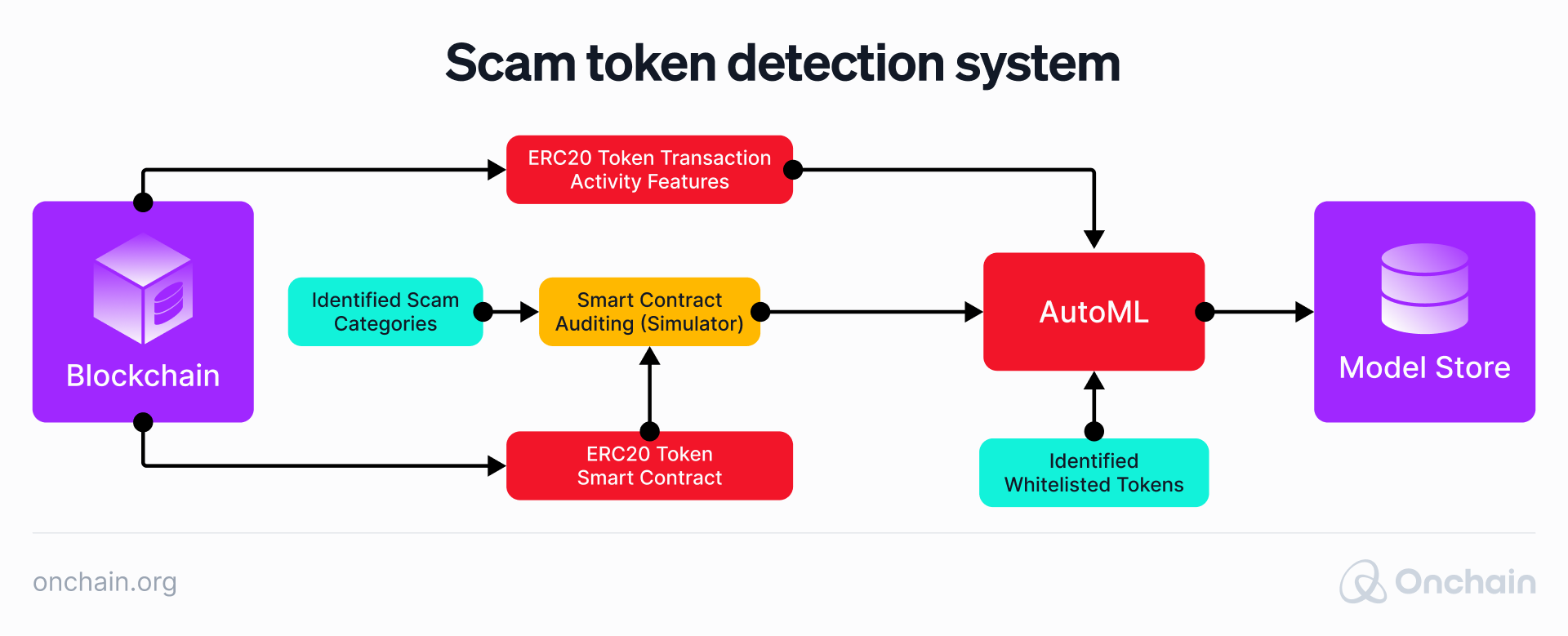
Protocols like Render and Akash have already demonstrated that distributed compute can handle heavy workloads. By using smart contracts to verify that the work was done correctly, these networks ensure trustless execution. This removes the need for expensive audits or intermediaries, making it easier for smaller AI projects to scale without breaking the bank.
Verifiable data markets and model training
Onchain generative infrastructure faces a fundamental constraint: AI models are only as good as their training data. Traditional centralized datasets often contain noise, bias, or unverifiable origins, leading to the "garbage in, garbage out" problem. To build reliable autonomous agents and generative tools, infrastructure must shift toward tokenized, verifiable data sources that exist directly on the blockchain.
Tokenized data markets allow models to train on sources with cryptographic proof of origin and integrity. This approach creates a single source of truth, ensuring that no single actor can manipulate the history of the data used for inference. Without reliable onchain data, autonomous agents fail to transact or build accurately, making verifiable data the missing layer for scaling the agent economy.
The table below compares the reliability and accessibility of centralized versus decentralized data sourcing for AI training.

| Feature | Centralized Data | Onchain Generative Infrastructure | Verifiable Source |
|---|---|---|---|
| Data Integrity | Prone to manipulation and bias | Cryptographically secured and immutable | Yes |
| Transparency | Opaque and proprietary | Publicly auditable ledger | Yes |
| Access Model | Gatekept by providers | Tokenized and permissionless | Yes |
| Autonomous Agent Reliability | Low due to data drift | High due to single source of truth | Yes |
Autonomous agents and onchain coordination
Onchain generative infrastructure is evolving beyond static code into a living economy of specialized AI agents. These autonomous entities don't just sit idle; they talk to each other over decentralized messaging protocols and trade information directly onchain. This coordination layer allows complex tasks to be broken down, executed, and verified without a central operator.
The architecture relies on smart contracts to manage value and state. When an agent completes a subtask, it can trigger payments or update data structures in real time. This creates a transparent, immutable record of every interaction. As noted by Placeholder VC, this setup enables a "vast, complex economy" where agents cover for each other and share resources efficiently.
This shift marks a departure from traditional off-chain AI, which often relies on opaque, centralized servers. Onchain AI performs inference and decision-making as part of the smart contract logic or through verified decentralized infrastructure. The result is a system where autonomy is verifiable, and coordination is handled by code rather than manual oversight.

Market outlook and investment signals
The onchain generative infrastructure sector is moving from experimental prototypes to a structured market opportunity. As AI models begin to execute directly on blockchains, they are unlocking a new layer of digital economy activity that combines computational power with immutable verification. Industry analyses suggest this convergence could represent a market opportunity exceeding $50 billion by 2030, driven by the demand for transparent, verifiable AI outputs.
Investment interest is currently concentrated on three primary themes: verifiable compute, decentralized data layers, and agent-ready protocols. Verifiable compute ensures that AI inferences are executed correctly without relying on trusted third parties. Decentralized data layers provide the high-quality, on-chain datasets necessary for training reliable models. Agent-ready protocols facilitate the autonomous interaction between AI agents and smart contracts, creating new economic loops.
For investors, the distinction between hype and utility is critical. While many projects claim to be "onchain AI," only a subset offers genuine infrastructure that reduces latency or enhances data integrity. The most promising investments are those that solve specific bottlenecks in the AI lifecycle, such as data provenance or inference verification, rather than those merely adding a blockchain wrapper to existing services.
As the sector matures, we expect to see a consolidation of infrastructure providers. Early movers that establish strong network effects and developer adoption will likely define the standard for onchain generative tools. For those looking to deepen their understanding of the underlying mechanics, the following resources provide a solid foundation in blockchain and AI infrastructure.
As an Amazon Associate, we may earn from qualifying purchases.
No comments yet. Be the first to share your thoughts!