Defining onchain generative strategy
Onchain generative strategy merges algorithmic creation with blockchain immutability. It is not merely about storing an image file on a distributed ledger; it is about encoding the logic of generation directly into the smart contract. This approach ensures that the rules governing the output are transparent, verifiable, and permanent.
This distinction separates true onchain projects from offchain AI or static NFTs. While offchain solutions rely on external servers or centralized databases to generate content, onchain generative strategies execute code that lives on the blockchain itself. As a result, the history of every iteration is recorded on-chain, creating a transparent audit trail that cannot be altered or deleted.
The primary value proposition lies in this verifiability. Because the generation logic is public and the state is immutable, users can prove the origin and evolution of the asset without relying on third-party trust. This creates a new class of digital assets where the creative process is as significant as the final result.
The Technical Stack Behind Onchain Generative Art
Building onchain generative art requires a specific technical stack that bridges creative code with blockchain infrastructure. Unlike offchain projects where assets live on centralized servers, onchain art must survive the longevity of the blockchain itself. This demands a careful selection of storage, execution, and data availability layers to ensure the artwork remains accessible, verifiable, and immutable.
Storage and Data Availability
The foundation of any onchain project is how its data is stored. Offchain storage is vulnerable to link rot and server failures, so most serious projects use decentralized protocols like IPFS (InterPlanetary File System) or Arweave. These systems ensure that the generative code and associated metadata are distributed across a network of nodes, making them resistant to censorship and permanent. For projects aiming for full onchain execution, the code itself is often embedded directly into the smart contract, though this is limited by block space costs.
Execution Environments
The execution environment determines how the generative algorithm runs. The Ethereum Virtual Machine (EVM) is the standard for most NFTs, allowing developers to write complex logic in Solidity or Vyper. However, EVM gas costs can be prohibitive for intricate algorithms. To address this, many projects are moving toward ZK-rollups or layer-2 solutions. These environments offer lower fees and higher throughput, enabling more complex generative processes without sacrificing the security guarantees of the main chain. Some projects even use offchain computation with onchain verification, where the heavy lifting is done elsewhere, and only the final proof is recorded on-chain.
Comparing Infrastructure Layers
Choosing the right infrastructure depends on the desired balance between decentralization, cost, and complexity. The table below compares common approaches for storing and executing generative art.
| Layer | Common Options | Key Trade-off |
|---|---|---|
| Storage | IPFS, Arweave, On-chain (embedded) | Decentralization vs. Cost |
| Execution | EVM, ZK-rollups, Layer-2 | Security vs. Gas Fees |
| Data Availability | Ethereum Mainnet, Celestia, EigenDA | Finality vs. Throughput |

Essential onchain generative tools
Building onchain generative art and AI agents requires a specific set of tools that handle both the creative generation and the immutable storage. The developer experience here is defined by how easily you can push complex logic and assets onto the blockchain without fighting the infrastructure.
We are looking at tools that prioritize community adoption and robust client-side libraries. The goal is to find solutions that let you deploy generative models or art collections with minimal friction, ensuring the onchain data remains accessible and verifiable.
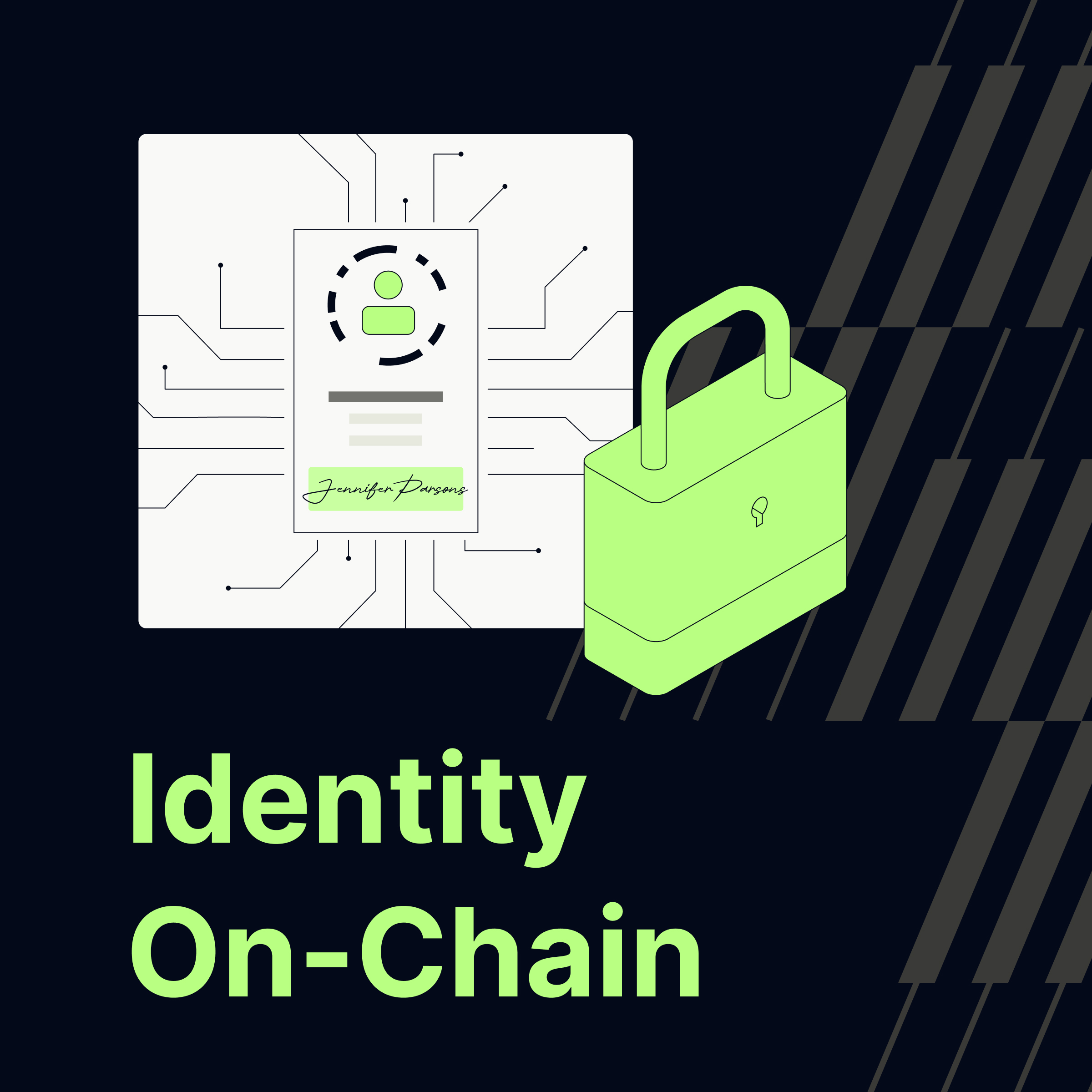
Top onchain generative tools
-
Highlight File System
A CLI tool designed for uploading generative art projects onchain. It manages your onchain file systems, making it easier to handle the storage layer for generative assets without dealing with raw transaction hashes manually. -
Mercuryo AI Agent SDK
Provides the infrastructure for AI agents to operate within onchain economies. This tool helps dApps integrate AI capabilities, allowing agents to execute transactions and manage assets autonomously based on onchain data. -
Onchain Data Indexers
Essential for querying the immutable ledger. These tools index blockchain data to make it accessible for generative logic, ensuring your art or AI models can react to real-time onchain events without scanning raw nodes.
Market dynamics for onchain generative projects
The onchain generative market is shifting from simple digital art sales to complex economic ecosystems. Tokenomics now serve as the engine for these projects, aligning creator incentives with community growth. A sustainable strategy typically involves educational outreach, clear token utility, and robust community building to drive long-term value rather than short-term speculation.
AI agents are emerging as critical participants in these economies. They act as autonomous buyers, curators, and even creators, injecting liquidity and activity into markets that might otherwise stagnate. This automation changes how value is discovered, turning passive holding into active, algorithmic engagement.
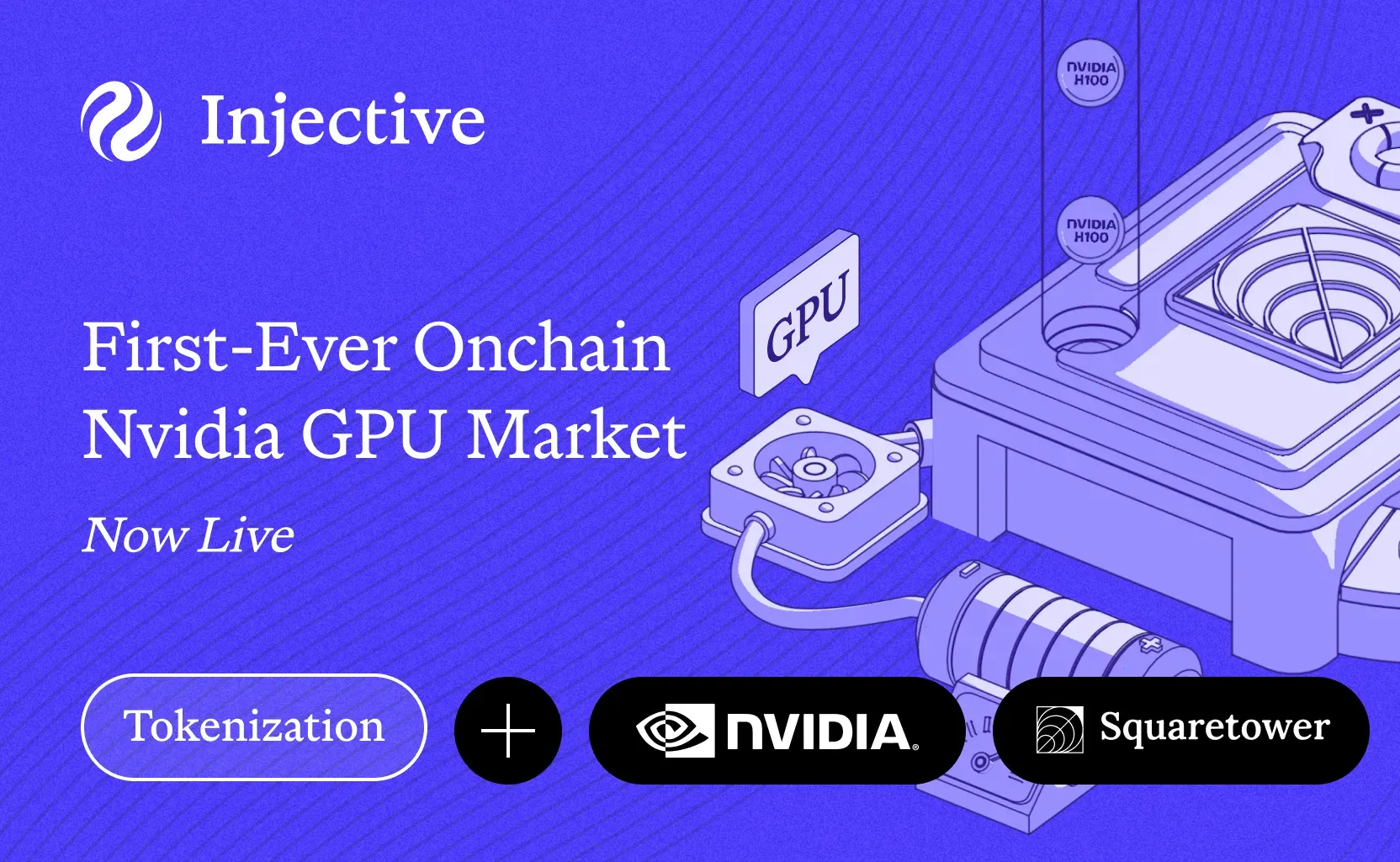
The infrastructure supporting this shift is becoming more specialized. Projects like Injective are launching dedicated markets for onchain compute resources, such as GPU access, which are essential for running generative AI models. This specialization reduces friction for creators and allows for more sophisticated, real-time generative outputs.
Technical analysis of the broader crypto market remains relevant, as generative projects often correlate with AI and compute-related tokens. Understanding these macro trends helps investors and creators gauge market sentiment and liquidity flows.
Token strategy and community incentives
Successful token strategies in the generative space prioritize utility over speculation. Tokens should grant access to premium generation tools, voting rights on project direction, or revenue sharing from secondary sales. This creates a feedback loop where community members are financially motivated to support the project's ecosystem.
Community incentives must be carefully designed to prevent gaming. Sybil-resistant mechanisms ensure that rewards go to genuine participants rather than bots. This is particularly important as AI agents become more prevalent, blurring the line between human and automated activity.
The role of AI agents extends beyond trading. They can be programmed to identify emerging trends, provide real-time feedback to creators, and even manage community moderation. This automation allows human creators to focus on artistic innovation rather than administrative tasks.
As the market matures, transparency will become a key differentiator. Projects that clearly communicate their tokenomics, governance structures, and AI integration methods will likely attract more dedicated communities. Investors should look for projects that demonstrate clear value propositions and sustainable economic models rather than relying on hype.
Risks and data manipulation concerns
Onchain data is transparent and immutable, but offchain inputs can still introduce bias or manipulation if not properly verified.
The core appeal of onchain generative art is its verifiability. Every piece of code and every transaction is permanently recorded on the blockchain. This transparency means that once a contract is deployed, the logic governing the art cannot be altered by the creator. However, this guarantee only applies to what happens on the chain. The data feeding into those contracts often originates from offchain sources, such as price oracles or external APIs.
If an offchain data source is compromised or manipulated, the onchain output reflects that corruption. For example, a generative project using a price oracle to determine visual traits could produce biased results if that oracle is subjected to a flash loan attack. The onchain record remains accurate, but the truth it represents is flawed. This distinction is critical for collectors and developers who assume that "onchain" automatically equals "unbiased."
Scalability also presents a significant risk. As networks become congested, transaction costs rise, and block times slow. This can make real-time generative interactions expensive or unreliable. Developers must balance the complexity of their algorithms with the practical limits of the blockchain they are deploying to. Ignoring these constraints can lead to broken experiences or projects that become economically unviable during market volatility.
To mitigate these risks, developers should prioritize using decentralized, reputable oracles and regularly audit their smart contracts. Users should also verify the source of any offchain data used by a project. Understanding the boundary between onchain certainty and offchain uncertainty is essential for navigating the onchain generative landscape.
Frequently asked: what to check next
Helpful gear
Use these product recommendations as a starting point, then choose the size, material, and price point that fit how you actually use the gear.

As an Amazon Associate, we may earn from qualifying purchases.
No comments yet. Be the first to share your thoughts!