Onchain Generative Infrastructure Basics
Onchain generative art isn't just a stylistic choice; it's a structural one. When you build generative assets directly on the blockchain, you are embedding the logic, the randomness, and the final output into the immutable ledger itself. This stands in stark contrast to the hybrid models that dominated the 2021 NFT boom, where the smart contract only held a pointer to metadata stored off-chain, often on centralized servers or IPFS gateways that could go offline.
The infrastructure you choose dictates the asset's long-term viability and market value. Onchain-only assets, such as those built on EVM-compatible chains using techniques like ZK-STARKs or on-chain JavaScript interpreters, guarantee that the art will always render exactly as intended, regardless of external server status. This permanence creates a "single source of truth" for authenticity, a feature that collectors increasingly value as they seek to avoid the rug-pull risks associated with off-chain metadata dependencies.
However, this permanence comes with trade-offs. Storing complex generative logic on-chain is expensive and computationally intensive. You are limited by the block gas limit and the need for deterministic execution across all nodes. This constraint forces artists to write highly efficient code, often resulting in a unique aesthetic where complexity is achieved through clever algorithmic compression rather than raw data volume.
For developers and investors, understanding this technical foundation is critical. The choice between onchain and hybrid isn't just about cost; it's about the fundamental promise of the asset. Onchain generation offers a robust, self-contained ecosystem where the art cannot be altered or lost, making it a compelling option for long-term holding and trading strategies in a market that increasingly prioritizes verifiable scarcity and integrity.
Essential onchain generative tools
Building onchain generative art requires a stack that balances creative flexibility with blockchain compatibility. The most effective tools are those that simplify the deployment process while ensuring your artwork renders correctly across wallets and marketplaces. For developers, the priority is finding libraries that handle the heavy lifting of onchain storage and rendering.
Highlight.xyz
Highlight provides a streamlined infrastructure for launching onchain projects. Their File System client acts as a CLI tool to upload generative art projects directly to the blockchain, managing the underlying file systems so you can focus on the code. This approach significantly reduces the friction of getting SVGs and metadata onchain, making it a go-to for creators who want a reliable, EVM-compatible solution without managing complex IPFS pinning services themselves.
Viem
For those building custom onchain agents or smart contract interactions, Viem is the modern TypeScript library for Ethereum. It offers a lightweight, type-safe interface that integrates easily with OpenAI and other AI tools. If you are looking to create dynamic generative pieces that react to onchain data or external triggers, Viem provides the necessary primitives to interact with contracts efficiently. It is particularly useful for developers who want to keep their bundle size small while maintaining full control over the transaction flow.
Onchain SVG Renderers
The core of onchain generative art is the ability to render SVGs directly from onchain data. Tools that specialize in onchain SVG rendering allow you to define generative rules within the contract itself. This ensures that the artwork is truly onchain, immutable, and accessible without relying on external servers. When selecting a renderer, look for one that supports EVM compatibility and offers clear documentation for integrating with popular marketplaces like Zora or SuperRare.


As an Amazon Associate, we may earn from qualifying purchases.
Positioning and Pricing Your Generative Project
Onchain generative art exists at the intersection of code, community, and market dynamics. Unlike static NFTs, generative projects require a strategy that balances technical innovation with tangible value. The goal is to move beyond speculation and build a sustainable ecosystem where the art, the algorithm, and the holders align.
Pricing Strategies
Pricing generative assets is less about setting a fixed number and more about designing a mechanism that reflects rarity and utility. Static pricing often fails because it doesn't account for the dynamic nature of generative traits. Instead, consider dynamic pricing models that adjust based on demand or specific trait combinations. This approach ensures that the most unique or sought-after pieces command higher value, while still allowing broader access for new collectors.
Transparency is critical here. Use official sources to verify transaction history and rarity rankings. When collectors can see the provenance and the logic behind the pricing, trust increases. This trust is the foundation of long-term value. Avoid opaque pricing structures that feel like hidden fees or manipulative tactics. Clarity builds loyalty.
Building a Resilient Community
A community is not just a group of holders; it is the engine of your project. Engage with your audience through transparent roadmaps and regular updates. Show them how the code evolves and how their feedback shapes the project. This level of involvement turns passive investors into active advocates.
| Strategy | Benefit |
|---|---|
| Dynamic Pricing | Reflects real-time rarity and demand |
| Transparent Roadmaps | Builds trust through clear communication |
| Active Governance | Empowers holders to shape the future |
Consider integrating governance tokens or voting mechanisms that allow the community to influence future drops or collaborations. This gives them a stake in the project's success. When people feel heard and valued, they are more likely to stay engaged and promote the project organically. This organic growth is far more sustainable than paid marketing campaigns.
Leveraging Market Data
Stay informed about market trends, but don't be ruled by them. Use live data to understand where your project stands in the broader ecosystem. Compare your performance against similar generative projects to identify opportunities for differentiation. This data-driven approach helps you make informed decisions about partnerships, collaborations, and future releases.
Remember, the onchain economy is built on trust and transparency. By focusing on these core values, you can create a generative project that not only survives but thrives in the competitive landscape.
Technical analysis for onchain markets
Technical analysis on generative NFTs and related crypto assets requires a different lens than traditional equity or forex trading. The market is fragmented, liquidity is uneven, and price discovery often lags behind community sentiment. To navigate this, you need to look beyond simple price action and integrate on-chain data with technical indicators.
Start by identifying the primary asset you are analyzing. For onchain generative projects, this is often the native token or the blue-chip NFT index. Use a provider-backed chart to visualize volume and momentum. This helps you distinguish between genuine interest and wash trading, a common issue in nascent onchain markets.
When evaluating generative projects, correlate price movements with on-chain activity. Look for spikes in unique wallet addresses or contract interactions. These metrics often precede price changes, offering a clearer signal than lagging indicators alone. Combining technical charts with on-chain segmentation provides a robust framework for decision-making.
Build an onchain AI agent
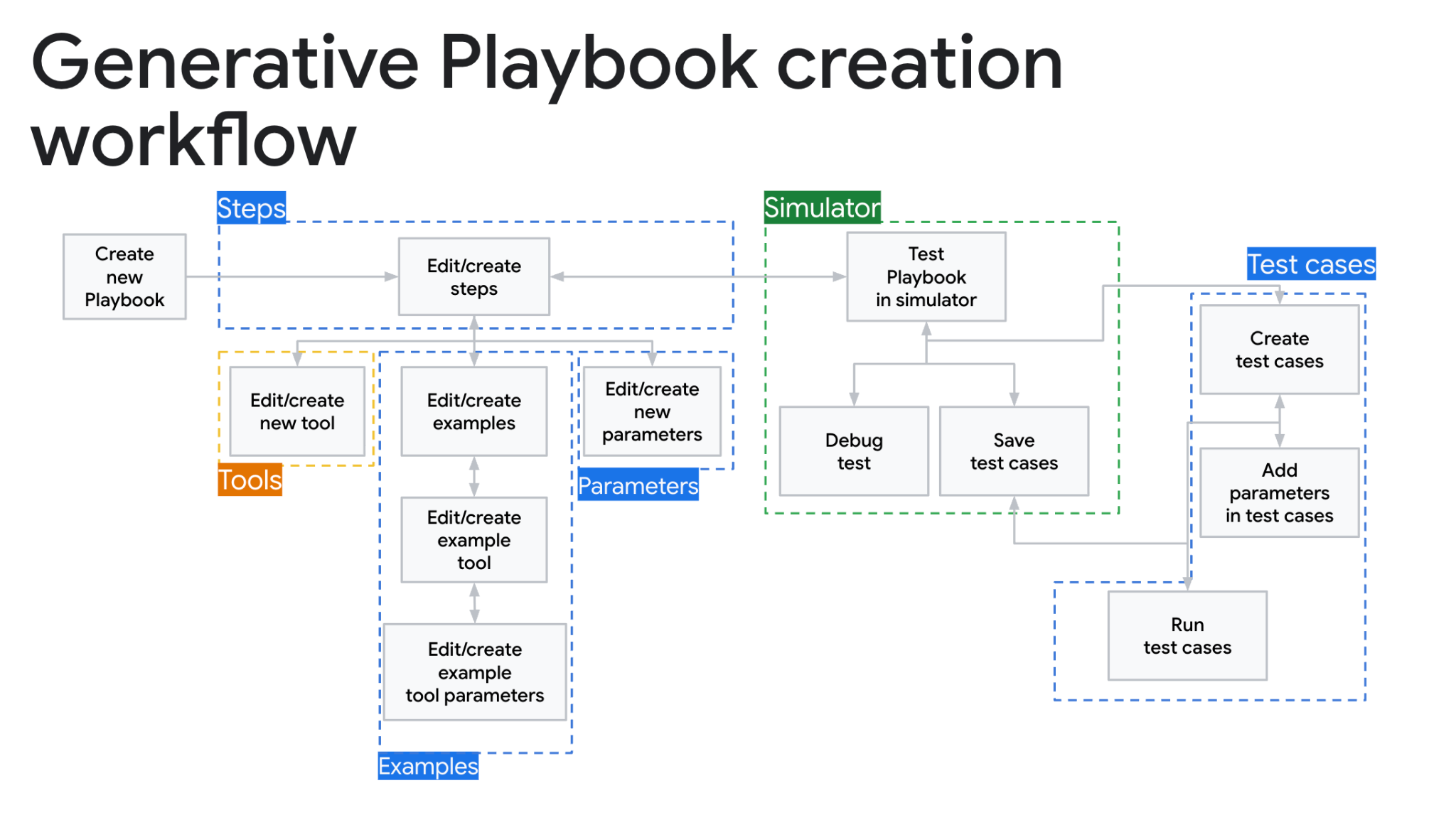
Onchain AI agents are no longer just theoretical concepts; they are becoming practical tools that can mint, trade, and interact with generative assets autonomously. By combining large language models with blockchain infrastructure, developers can create agents that execute smart contracts based on real-time data or user interactions.
Building these agents requires a blend of traditional AI development skills and blockchain-specific knowledge. The process typically involves setting up an off-chain environment to handle the AI logic while connecting it to on-chain wallets and smart contracts via libraries like Viem.
1. Set up the development environment
Start by initializing a TypeScript project. You will need to install core dependencies including viem for blockchain interactions and an AI SDK (like OpenAI or Anthropic) for the agent's decision-making capabilities. Ensure you have a secure way to manage private keys, preferably using a hardware wallet or a secure key management service, as the agent will be signing transactions.
2. Define the agent's capabilities
Determine what your agent will do. Will it mint generative art based on a prompt? Will it trade tokens based on market sentiment? Define the specific smart contract functions the agent needs to call. For example, if you are building an agent that mints NFTs, you need the mint function signature and the necessary parameters from your target contract.
3. Connect the AI to the blockchain
Use a library like Viem to create a wallet client. This client will allow your agent to sign and send transactions. You can then write a function that takes the AI's output (e.g., a generated image URL or a trading decision) and converts it into a transaction payload. This step bridges the gap between the off-chain AI model and the on-chain execution layer.
4. Test with a sandbox
Before deploying to mainnet, test your agent on a testnet like Sepolia or Goerli. Use testnet ETH to pay for gas and interact with test contracts. This allows you to verify that the AI is making the correct decisions and that the transactions are being signed and broadcasted correctly without risking real assets.
5. Deploy and monitor
Once tested, deploy your agent's smart contracts to the mainnet. Set up monitoring to track the agent's transactions and performance. You can use block explorers or custom scripts to log every action the agent takes. This transparency is crucial for building trust with users and investors who are watching your onchain generative assets.
| Component |
|---|
| AI Model |
| Viem Client |
| Smart Contract |
Onchain data integrity and manipulation
Onchain data integrity is the bedrock of trust in generative markets. While blockchain consensus mechanisms prevent any single actor from rewriting history, the inputs feeding those chains—often called "oracles"—can be vulnerable. If a generative asset's metadata or rarity traits rely on external data feeds that are compromised, the resulting NFTs or tokens inherit that corruption.
For developers, this means validating data sources rigorously. For investors, it means understanding that a token's value is only as strong as the data proving its scarcity and origin. Always check if the project uses decentralized oracle networks rather than single-point-of-failure APIs to verify asset attributes.
No comments yet. Be the first to share your thoughts!