Defining onchain generative strategy
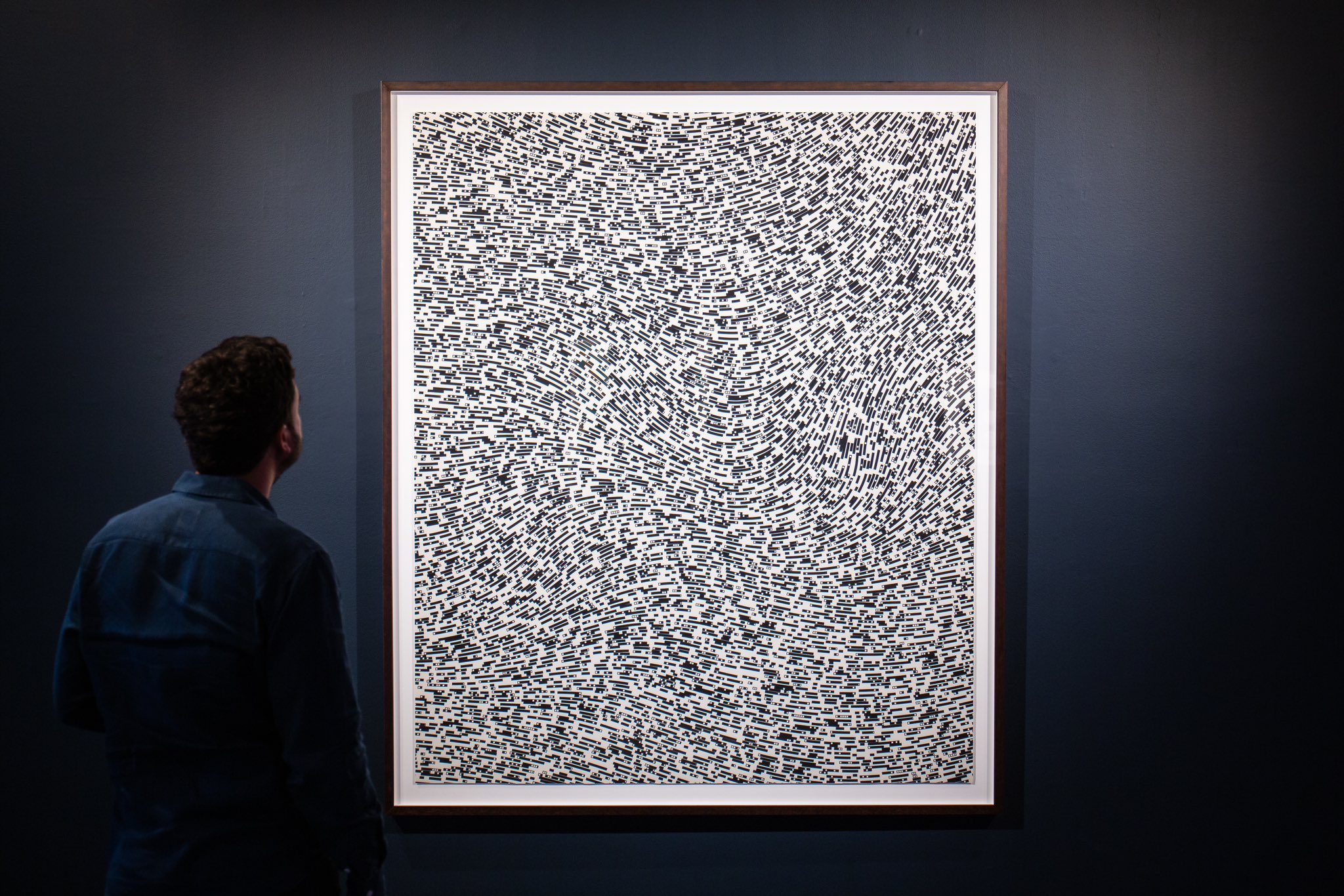
Onchain generative strategy is the practice of embedding the logic that creates digital art directly into a smart contract. Unlike traditional generative art, where the image is pre-computed off-chain and stored as a static file (like a PNG) with its hash linked to the blockchain, onchain art is assembled in real-time by the blockchain itself.
This distinction matters because it shifts the asset from a passive image to an active program. When you mint a piece of offchain generative art, you are buying a token that points to an external server or IPFS link. The code that generated the colors and shapes is no longer running; the result is frozen. In contrast, onchain generative strategy requires the blockchain to execute the code. Every time the token is viewed or transferred, the smart contract runs the algorithm to reconstruct the image.
This approach creates a direct link between the asset and the infrastructure that supports it. The art cannot exist without the blockchain that runs it. This makes onchain generative strategy a test of what blockchains can actually do, rather than just what they can store. It is a strategy that prioritizes verifiable provenance and permanent availability over high-resolution detail, relying on the chain’s security to guarantee the art’s existence.
The Technical Stack for Onchain Generative Art
Building generative art that lives entirely on the blockchain requires a specific stack of smart contracts, storage solutions, and rendering engines. Unlike off-chain projects where the image file sits on a server, on-chain generative art embeds the code and the logic directly into the transaction data. This approach ensures true ownership and immutability, but it demands careful engineering to manage gas costs and storage limits.
Smart Contract Standards
The foundation of any on-chain project is the smart contract. For EVM-based chains, ERC-721 remains the standard for non-fungible tokens. However, generative projects often require custom logic within the contract to handle the tokenURI function. This function must return a JSON metadata link that points to the generative script or the final rendered image. Some projects use ERC-998 or ERC-7499 for composite NFTs, but ERC-721 is the most widely supported and understood standard.
Storage and File Systems
Storing generative art on-chain is expensive due to gas fees. To mitigate this, many projects use decentralized storage solutions like IPFS (InterPlanetary File System) or Arweave. The smart contract stores a hash or a link to the file, rather than the file itself. Tools like the Highlight File System client provide CLI interfaces to upload generative art projects on-chain, making it easier to manage these file systems. This hybrid approach balances the security of on-chain verification with the cost-efficiency of off-chain storage.
Rendering Engines
The rendering engine is the code that generates the unique visual output. This can be written in Solidity for pure on-chain execution or in JavaScript/TypeScript for off-chain generation. Pure on-chain rendering is limited by the EVM's computational constraints, so artists often use efficient algorithms. Off-chain generation allows for more complex visuals, but the hash of the generated image is often stored on-chain to prove authenticity. The choice of engine depends on the desired balance between decentralization and visual complexity.
Gas Costs and Feasibility
Gas costs are a critical consideration for on-chain generative art. Minting a token that contains a large amount of data can be prohibitively expensive. Developers often use compressed data formats or chunked storage to reduce the gas footprint. Additionally, the current state of the network, as seen in ETH price trends, can impact the feasibility of launching a new project. High gas fees can deter users from minting, so timing and network conditions are crucial for success.
Market research for onchain generative assets
Onchain Generative Strategy works best as a clear sequence: define the constraint, compare the realistic options, test the tradeoff, and choose the path with the fewest hidden costs. That order keeps the advice usable instead of decorative. After each step, pause long enough to check whether the recommendation still fits the reader's actual situation. If it depends on perfect timing, unusual access, or a best-case budget, include a simpler fallback.
The simplest way to use this section is to write down the real constraint first, compare each option against it, and choose the path that still works outside ideal conditions.
Strategic tools for onchain generative execution
Onchain generative strategy relies on a stack of specialized tools that bridge algorithmic creativity with immutable execution. From development kits to deployment platforms, the right infrastructure allows protocols to automate complex interactions while maintaining cryptographic security.
Smart Contract and Agent Frameworks
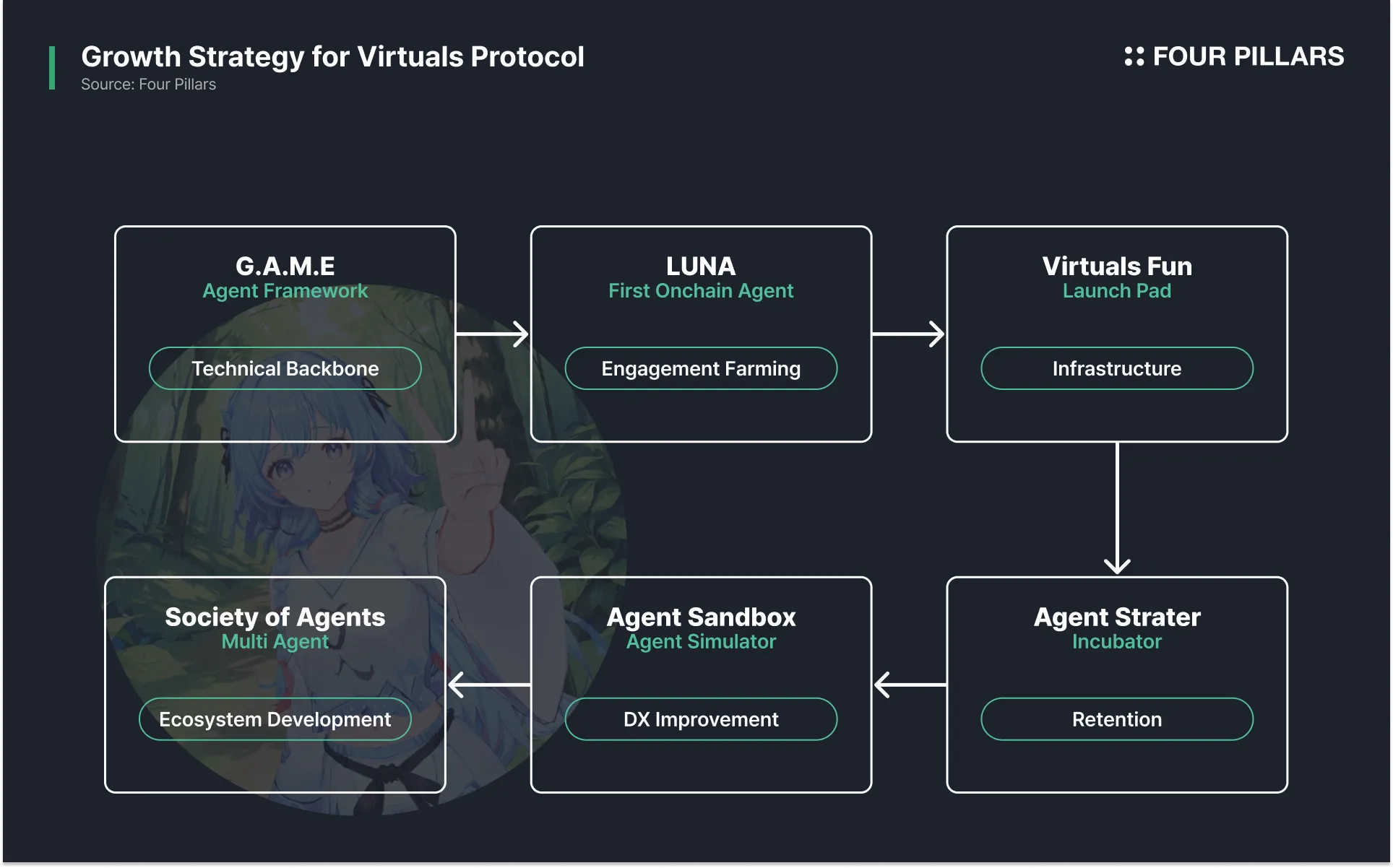
Building autonomous agents requires robust frameworks that handle state management and cryptographic verification. Tools like Chainlink Automation enable onchain AI agents to execute smart contract functions predictably, acting as the guardrails that prevent catastrophic errors in high-stakes environments. These frameworks ensure that generative logic operates within defined bounds, turning abstract algorithms into reliable onchain actors.
Generative Asset Platforms
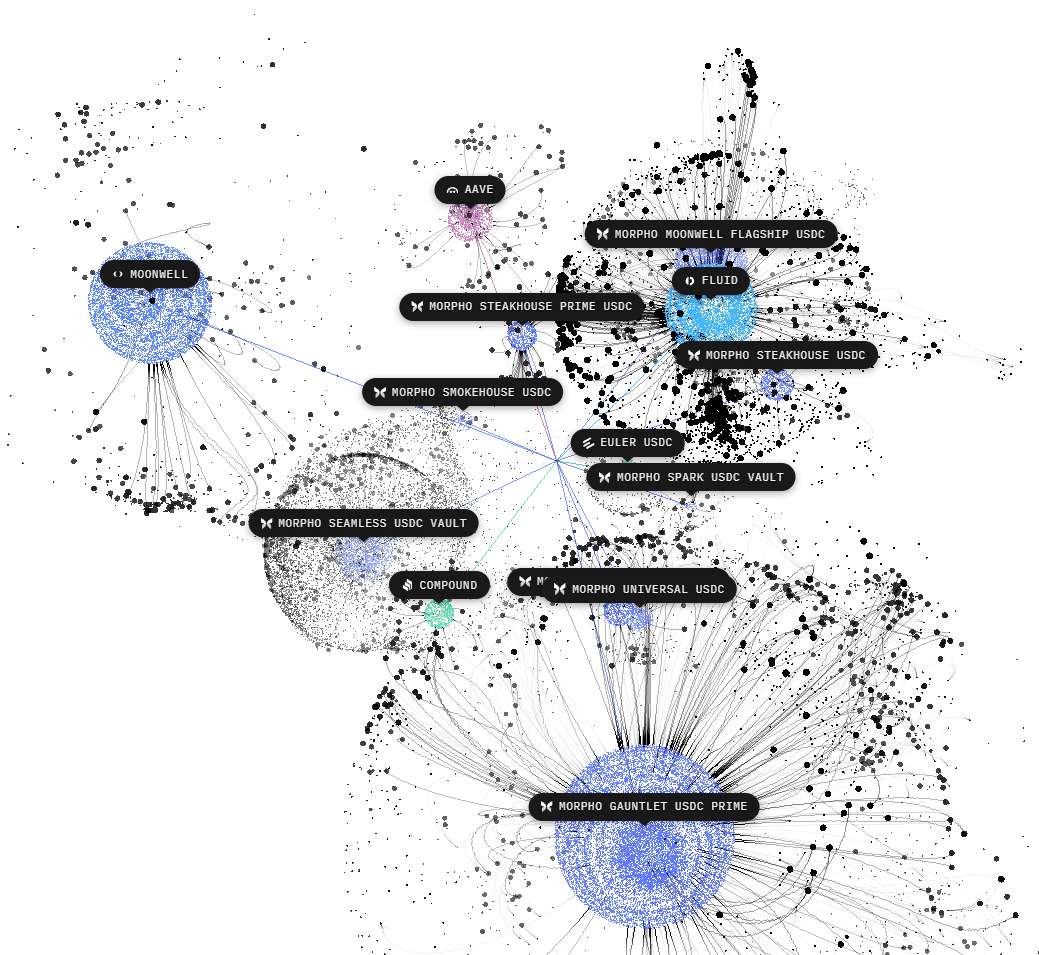
The visual arts domain has long served as the testing ground for generative algorithms, with collections like CryptoPunks demonstrating how code can create unique, verifiable assets. Platforms such as Manifold and thirdweb provide the SDKs needed to mint and manage these generative NFTs at scale. They abstract the complexity of token standards, allowing developers to focus on the generative logic rather than the underlying blockchain mechanics.
Deployment and Strategy Infrastructure
Launching a sustainable token strategy requires more than just code; it demands a cohesive go-to-market plan that integrates educational outreach and community incentives. Tools like Onchain.org offer guides and templates for structuring these strategies, ensuring that the generative component aligns with long-term project viability. This infrastructure helps teams move from experimental art to functional economic systems that can grow sustainably.


As an Amazon Associate, we may earn from qualifying purchases.
Implementing your onchain generative strategy
Turning a generative concept into a live onchain contract requires a structured workflow. The process moves from algorithm design to deployment, then to community management and post-launch iteration. Each phase demands specific technical checks to ensure the art renders correctly and the contract behaves as intended.
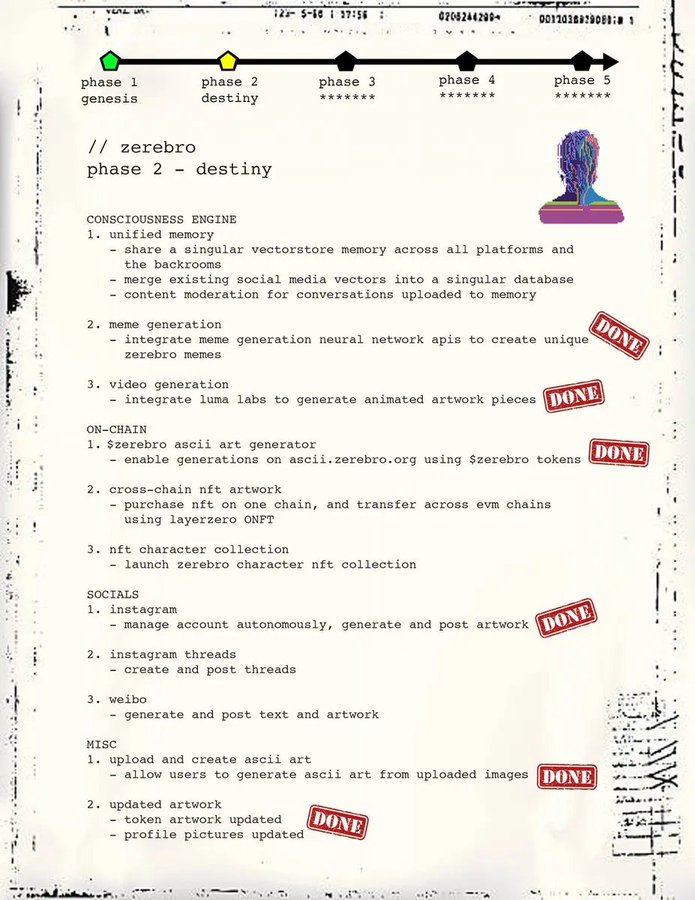
Start by coding the core logic that determines how art layers combine. Whether using JavaScript for off-chain preview or Solidity for on-chain generation, the algorithm must handle randomness deterministically if you plan to use block hashes or VRFs. Test the output locally to ensure all combinations are valid and visually distinct.
Deploy the generation logic to a testnet first. Verify that the tokenURI function correctly points to the metadata and that the minting function enforces your supply limits. If the art is fully on-chain, ensure the byte code size stays within Ethereum’s block gas limit to avoid deployment failures.
Once the contract is audited and deployed to mainnet, open minting. Monitor the transaction pool for bot activity and consider implementing time-based delays or proof-of-personhood checks if necessary. Communicate clearly with your community about mint windows and gas expectations.
After the initial drop, focus on community engagement and secondary market performance. If you planned for on-chain updates, use the governance mechanisms you built to introduce new traits or modifiers. Keep the codebase documented for future developers or collaborators.
Before launching, run through this pre-launch checklist to catch common errors.
-
Verify metadata JSON structure matches OpenSea standards
-
Test minting with multiple wallets on testnet
-
Confirm gas limits for on-chain art byte size
-
Set up alerts for contract interactions
-
Prepare community communication channels
Frequently asked questions on onchain generative strategy
What is Onchain AI?
Onchain AI refers to autonomous agents that operate directly on blockchain networks. According to Chainlink, this involves frameworks and cryptographic guardrails that secure these programs as they interact with smart contracts, ensuring they function predictably without catastrophic errors.
What defines a generative NFT collection?
A generative NFT is an asset created by an algorithm that randomly selects and combines predesigned art layers. This process produces unique variations within a set, similar to the structures seen in major collections like CryptoPunks or Bored Ape Yacht Club.
How does generative AI impact onchain assets?
Generative AI is increasingly integrated into the blockchain stack to unlock new capabilities for digital assets. By combining AI’s creative power with blockchain’s transparency, developers are building more dynamic and interactive onchain experiences.
No comments yet. Be the first to share your thoughts!