The reality of onchain generative infrastructure
Onchain generative infrastructure is not a single product but a stack of protocols that allow AI models to operate directly within blockchain networks. This architecture combines the deterministic finality of smart contracts with the stochastic creativity of generative AI, enabling automated content creation, dynamic asset minting, and verifiable data provenance. The primary use case involves replacing opaque centralized servers with transparent, on-chain logic that anyone can audit.
The most common application is generative art and digital collectibles, where algorithms produce unique outputs stored on-chain. However, the infrastructure is expanding into autonomous agent coordination, where AI agents execute trades or manage liquidity pools using on-chain governance tokens. This shifts the value proposition from simple storage to active, programmable economic behavior.
Security remains the critical constraint. Unlike traditional software, on-chain code is immutable once deployed, meaning vulnerabilities can lead to irreversible losses. Projects like Centrifuge demonstrate that institutional-grade security requires rigorous auditing—often involving multiple security reviews—before handling significant capital. Builders must inherit battle-tested infrastructure rather than relying on experimental prototypes.
The market for this infrastructure is still fragmented. There is no single "best" AI for blockchain because the optimal choice depends on the specific layer of the stack: the data oracle, the inference engine, or the execution layer. Investors and developers are currently evaluating which protocols can achieve scalable, low-latency inference while maintaining cryptographic proofs of authenticity.
Onchain generative infrastructure choices that change the plan
Building with onchain generative AI requires balancing three competing forces: execution speed, data trust, and economic viability. AI agents hit structural frictions when attempting onchain operations, primarily because discovery, trust, and data availability are not native to the blockchain layer. You must evaluate how your infrastructure handles these specific bottlenecks rather than relying on general-purpose AI models.
The following table breaks down the concrete factors you should evaluate when selecting an onchain generative infrastructure stack. Each metric represents a hard constraint in production environments.
| Factor | Execution Speed | Data Trust | Economic Viability |
|---|---|---|---|
| Compute Model | Low (block confirmations) | High (immutable) | High (gas fees) |
| Data Oracles | Medium (fetch delay) | Variable (source-dependent) | Medium (oracle fees) |
| AI Agent Discovery | Low (manual indexing) | Low (no native verification) | High (custom development) |
| Security Audits | High (pre-deployment) | High (verified code) | High (audit fees) |
Execution Speed
Onchain execution is inherently slower than offchain compute. Every transaction requires network confirmation, which introduces latency that can break real-time AI interactions. If your use case demands sub-second response times, you will need a hybrid architecture where the AI model runs offchain and only the final result is posted onchain. This approach reduces costs but introduces a trust gap that requires careful verification.
Data Trust
AI models are only as good as their training data, and onchain data is often incomplete or siloed. Oracles bridge this gap by fetching external data, but they introduce a single point of failure. If the oracle source is compromised or biased, the onchain AI output becomes unreliable. Evaluate the oracle’s reputation and decentralization score before integrating it into your generative pipeline. For high-stakes applications, consider using multiple oracle sources to mitigate risk.
Economic Viability
Gas fees can make onchain AI operations prohibitively expensive. Simple text generation might cost cents, but complex multi-step reasoning or large model inference can cost dollars per transaction. Additionally, AI agent discovery is currently manual and inefficient, requiring significant development overhead to index and verify agents. This makes the total cost of ownership higher than offchain alternatives. However, the immutability and transparency of onchain records provide long-term value for auditability and compliance, which can offset initial costs for institutional users.
Choose the next step in the onchain generative infrastructure playbook
The onchain generative infrastructure landscape is shifting from experimental prototypes to institutional-grade systems. Builders no longer need to choose between speed and security; they can now inherit battle-tested security models that have already secured over $1 billion in capital through rigorous audits. This section outlines how to select the right tools and infrastructure for your specific use case, ensuring your project is built on a foundation that can scale.
Evaluate your security and compliance needs
Before writing a single line of code, assess your risk tolerance and regulatory requirements. If you are handling institutional capital or sensitive user data, you must prioritize infrastructure that offers immutable security cores and has undergone multiple independent security reviews. Solutions like Centrifuge provide a model where builders inherit this security, reducing the burden of initial audits and allowing you to focus on product development rather than vulnerability patching. For smaller projects, ensure your chosen stack includes basic multi-signature wallet support and clear key management protocols.
Select the right generative AI integration
The question of which AI is best for blockchain depends entirely on your application’s latency and reasoning requirements. For real-time onchain actions, such as automated trading or dynamic NFT minting, you need low-latency models that can interact directly with smart contracts. For complex data analysis or long-form content generation, larger language models accessed via API are more appropriate. Look for infrastructure that supports modular AI agents, allowing you to swap models as capabilities improve without rebuilding your entire backend.
Prototype with existing tooling
Don’t build from scratch. Use established onchain development frameworks that have pre-integrated generative AI modules. These tools often include built-in wallet connectors, blockchain indexing, and AI inference layers, significantly reducing time-to-market. Test your prototype with real user data to gauge performance under load. This step is crucial for identifying bottlenecks in AI response times or blockchain transaction throughput before you commit to a full production deployment.
Review essential hardware and software
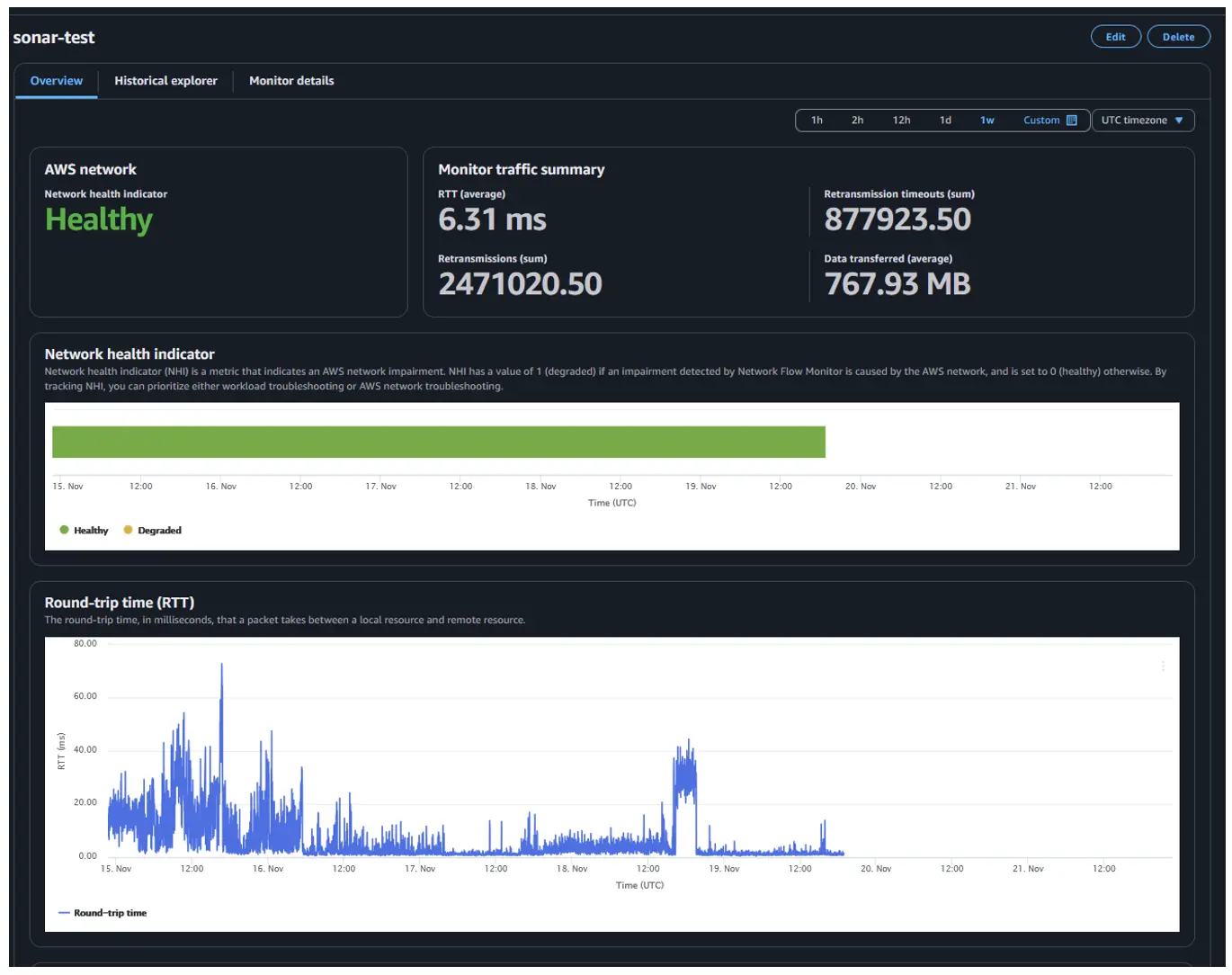
Building onchain infrastructure requires reliable hardware and robust software stacks. Whether you are running a node, developing an AI model, or managing a dApp, having the right tools is non-negotiable. The following products are commonly used by developers in this space to streamline workflows, manage keys, and monitor network performance.


As an Amazon Associate, we may earn from qualifying purchases.
Plan for scaling and maintenance
Finally, design your infrastructure with scaling in mind. Onchain activity can spike unpredictably, so ensure your AI inference layers and database queries can handle increased loads. Implement caching strategies for frequently accessed onchain data to reduce gas costs and improve user experience. Regularly update your smart contracts and AI models to address new vulnerabilities and leverage performance improvements. A well-maintained onchain system is not just a product; it is a continuous investment in trust and utility.
Spotting Weak Onchain Infrastructure
The onchain economy represents cryptocurrency transactions and activity on the blockchain, introducing a new way to create, own, and exchange digital assets. However, many projects market themselves as "generative infrastructure" while lacking the security rigor required for institutional capital. Builders must inherit battle-tested infrastructure that gets more secure with use, not just new wrappers around existing databases.
When evaluating onchain tools, look for projects with multiple independent security reviews rather than those relying on internal audits alone. A single review is a starting point, not a guarantee. Projects securing over $1 billion in assets often undergo 24 or more security reviews, creating an immutable core that protects user funds.
Avoid platforms that promise high returns without transparent onchain verification. The best generative infrastructure provides clear proof of reserves and execution. If a tool cannot demonstrate its operations on a public ledger, it likely doesn't belong in your stack. Always verify claims against primary source data before committing capital.
Onchain generative infrastructure: what to check next
Before committing capital or building on new protocols, it helps to separate the marketing hype from the actual utility of onchain generative infrastructure. These answers address the most common practical objections and clarify what the technology can and cannot do today.
No comments yet. Be the first to share your thoughts!