Defining onchain generative strategy
Onchain generative strategy sits at the intersection of two powerful forces: the creative, pattern-recognition capabilities of generative AI and the immutable, transparent infrastructure of blockchain. It is not simply about using AI to generate content that happens to live on a chain. Rather, it is about leveraging onchain data as a trusted, verifiable input to guide AI models, while using AI to interpret and act upon the vast, complex data streams generated by blockchain activity.
The onchain economy, as described by VanEck, represents economic activity where transactions, data, and assets are managed directly through blockchain-based infrastructure VanEck. This infrastructure provides a single source of truth that is resistant to manipulation, ensuring that the data feeding into generative models is reliable and auditable. This trust layer is critical for high-stakes financial decisions, where the integrity of the underlying data determines the validity of the AI's output.
Conversely, generative AI brings a new dimension to how we interact with this data. As AWS notes, the combination fuels innovation within the digital economy by enabling new ways to create, own, and exchange digital assets AWS. AI models can identify complex patterns in onchain behavior, predict market movements, and automate complex smart contract interactions that would be impossible for humans to manage manually.
This synergy creates distinct market value. It moves beyond simple speculation on crypto assets to a more sophisticated layer of utility, where AI-driven insights are anchored in immutable onchain reality. The result is a more efficient, transparent, and potentially profitable ecosystem for investors and developers alike.
Core infrastructure layers for AI onchain
Building a functional onchain generative system requires three distinct technical layers: decentralized compute, verifiable data streams, and tokenized model access. Without these pillars, AI agents remain siloed off-chain tools with no ability to transact or prove their work.
Decentralized Compute
Generative AI is computationally expensive. Centralized cloud providers charge premium rates for GPU access, which eats into the margins of autonomous agents. Decentralized networks like Render and Akash solve this by aggregating idle GPU power from a global network of nodes. This creates a competitive market for compute, driving down costs and ensuring that agents have the processing power needed to generate complex outputs in real-time.
Verifiable Data Streams
AI models are only as good as the data they ingest. For onchain applications, this means data must be immutable and resistant to manipulation. Chainlink oracles provide this integrity by fetching off-chain data and verifying it before it enters the blockchain. This prevents bad actors from feeding false information to an agent, ensuring that trading algorithms or decision-making bots operate on a single, trusted source of truth.
Tokenized Model Access
Finally, the model itself must be accessible and incentivized. Tokenization allows for the staking of AI models, where developers can lock up their models to earn fees when agents use them. This creates a liquid market for AI intelligence, where models compete on performance and accuracy. It also ensures that the creators of these models are compensated directly, aligning economic incentives with system reliability.
Infrastructure Provider Comparison
The following table compares key infrastructure providers based on their primary function and market position.
| Provider | Primary Function | Key Focus |
|---|---|---|
| Render Network | Decentralized GPU Compute | High-performance rendering and AI training |
| Akash Network | Decentralized Cloud Market | Cost-effective, open-source cloud infrastructure |
| Chainlink | Data Oracles | Secure, tamper-proof data feeds for onchain use |
Evaluating market signals and selecting assets
Onchain generative strategy relies on identifying infrastructure that powers both AI development and blockchain utility. The market is shifting from speculative narratives to measurable usage metrics. Evaluating these signals requires looking beyond price action to understand the underlying demand for compute, data, and model hosting.
The onchain economy represents cryptocurrency transactions and activity on the blockchain, introducing a new way to create, own, and exchange digital assets [[src-serp-1]]. For generative AI, this means assets must demonstrate real-world utility in training, inference, or data verification. Selecting the right assets means focusing on protocols that solve specific bottlenecks in the AI supply chain.
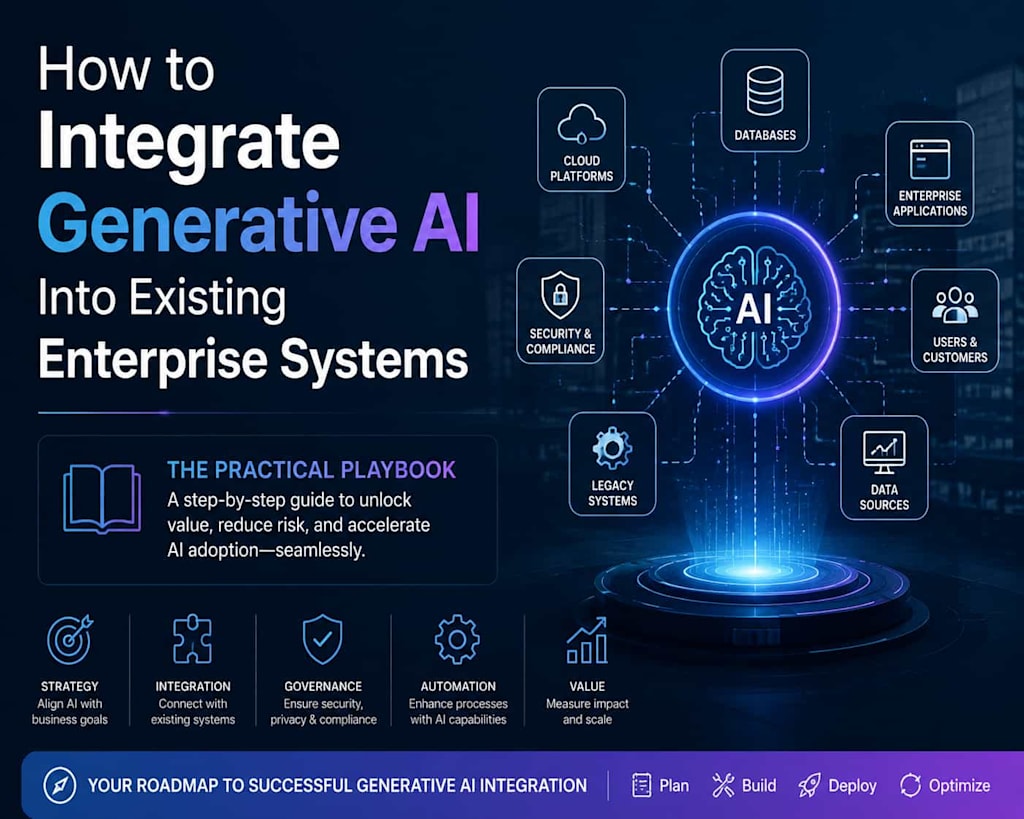
Tracking real-time market dynamics
Live data provides the clearest view of current market sentiment and liquidity. Static price history often lags behind rapid shifts in AI infrastructure demand. Using provider-backed widgets ensures you are analyzing current conditions rather than historical artifacts.
Analyzing technical structure
Technical analysis helps identify entry and exit points within the volatile onchain generative sector. Volume trends and momentum indicators reveal whether institutional or retail interest is driving price movements. Understanding these patterns helps align asset selection with broader market cycles.
Essential Tools for Onchain Generative Analysis
Building an onchain generative strategy requires a stack that bridges code, data, and execution. You are not just deploying art; you are managing a live financial instrument that reacts to market data. The right tools ensure your contracts are secure, your data feeds are reliable, and your assets are discoverable.
Smart Contract Development and Deployment
The foundation of any onchain generative project is the smart contract. Tools like Hardhat or Foundry allow developers to write, test, and deploy Solidity code with precision. For generative strategies, these contracts often include logic that mints tokens based on real-time variables, such as token prices or oracle data. Security is paramount here; a single bug can drain the treasury or freeze the generation logic. Use automated testing suites to verify that your generative rules hold up under stress before going live.
Oracles and Data Feeds
Generative art onchain rarely exists in a vacuum. It often pulls data from the outside world to influence its output. Chainlink oracles provide the secure link between your smart contracts and offchain data sources. Whether you are using weather data, stock prices, or social media sentiment, these feeds must be tamper-resistant. Relying on unverified data sources introduces manipulation risks, which can distort the generative outcome and devalue the asset. Stick to established, decentralized oracle networks to maintain integrity.
NFT Marketplaces and Analytics
Once your generative asset is live, you need visibility. Marketplaces like OpenSea or Blur provide the infrastructure for trading, but they also offer data on rarity traits and sales velocity. For deeper analysis, platforms like Dune Analytics allow you to query onchain data directly. You can track how specific generative traits correlate with price premiums or trading volume. This data-driven approach helps you understand which algorithmic variations the market values most.
Monitoring and Alerting
Finally, continuous monitoring is essential. Tools like Tenderly or Forta provide real-time alerts for contract interactions and potential anomalies. If your generative strategy relies on complex logic, you need to know immediately if something deviates from the expected pattern. These tools act as your early warning system, allowing you to pause or adjust strategies before minor issues become major losses.

As an Amazon Associate, we may earn from qualifying purchases.
Verifying data sources and mitigating manipulation risks
Onchain generative strategies rely on the assumption that the data feeding your models is accurate. If your algorithmic trading strategy is built on flawed inputs, the output is useless. The primary concern in this sector is not just data latency, but data integrity. You need to ensure that the onchain data your models process hasn't been skewed by wash trading, spoofing, or other manipulation tactics common in less regulated markets.
The good news is that the underlying blockchain architecture provides a strong baseline for trust. As noted in industry analyses, distributed nodes must agree on the validity of new data blocks before they are appended to the ledger. This consensus mechanism ensures that no single actor can unilaterally manipulate the history of onchain data, providing a single source of truth for all participants.
To mitigate these risks, your strategy should prioritize data from official or primary sources that have established reputations for accuracy. Relying on third-party aggregators without understanding their normalization methods can introduce hidden biases. When building your generative models, treat data verification as a core component of your strategy, not an afterthought. This means auditing the provenance of the data feeds and understanding how anomalies are handled before they reach your decision engine.
Implementation checklist
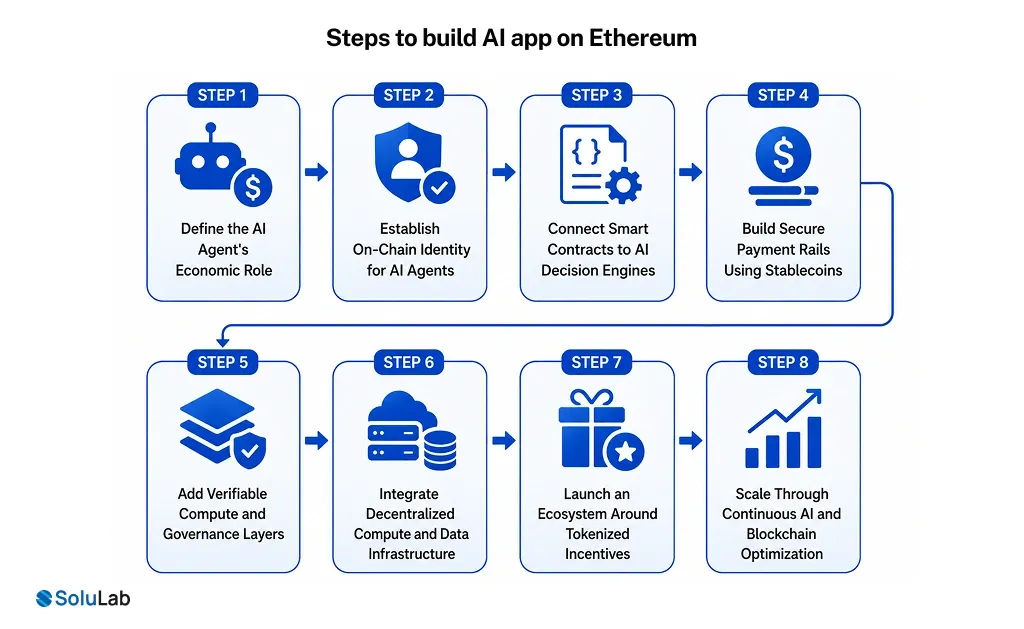
Turning an onchain generative strategy from research into a live product requires a disciplined workflow. Rushing deployment often leads to security vulnerabilities or failed market fit. Follow these five steps to move systematically from concept to launch.
Before writing code, clarify what the model generates and why. Determine if the output is purely artistic (e.g., PFP traits) or functional (e.g., dynamic metadata). This decision dictates your technical stack and gas optimization strategy from the start.
Choose a blockchain that balances cost, speed, and decentralization. For high-frequency generative updates, Layer 2 solutions like Arbitrum or Base offer lower gas fees. For permanent artistic provenance, Ethereum mainnet remains the standard, though it requires careful budgeting for minting costs.
Write the contract to handle minting, metadata generation, and access control. Use established standards like ERC-721 or ERC-1155. Once coded, subject the contract to a professional security audit to prevent exploits. Never skip this step; onchain code is immutable once deployed.

Connect your onchain contract to off-chain AI services via oracles or serverless functions. The contract should trigger the generation request, and the result should be stored on IPFS or Arweave. Ensure the hash of the generated content is verifiable onchain to maintain trust.

Deploy the contract to mainnet and announce the launch. Use provider-backed widgets to track real-time sales volume and floor prices. Monitor gas costs during peak minting periods to ensure user experience remains smooth. Adjust pricing or supply dynamically based on early market feedback.
No comments yet. Be the first to share your thoughts!