Onchain generative infrastructure limits to account for
Building onchain generative infrastructure is not just a software integration; it is a resource management problem. AI agents require low-latency inference, persistent memory, and verifiable computation. The blockchain layer adds significant friction to these requirements. Transaction costs and block times create bottlenecks that can make real-time generative tasks economically unviable or technically impossible.
The primary constraint is data availability and retrieval. Storing large context windows or model weights directly on-chain is prohibitively expensive. Most viable architectures rely on off-chain computation with on-chain verification. This introduces a trust gap. You must balance the security of on-chain settlement with the speed and cost efficiency of off-chain execution.
Consider the tradeoff between decentralization and performance. A fully decentralized inference network may offer censorship resistance but lacks the throughput needed for complex agent workflows. Conversely, centralized providers offer speed but introduce single points of failure. The infrastructure strategy must define where the trust boundary lies. If the agent’s output is critical, on-chain verification becomes necessary, regardless of the cost. If the output is informational, off-chain storage with periodic attestations may suffice.
The market is currently fragmenting along these lines. Some projects focus on lightweight verification layers, while others build specialized hardware for on-chain AI. Understanding these architectural choices is essential for selecting the right tools. The infrastructure you choose will dictate the agent’s capabilities, reliability, and cost structure.
Onchain generative infrastructure choices that change the plan
Building an onchain generative infrastructure requires balancing three competing forces: data verifiability, computational cost, and execution latency. Unlike traditional cloud AI stacks, onchain environments must prove that inputs originated from trusted sources and that outputs were generated by verified models. This verification layer adds complexity but is necessary for autonomous agents to operate with financial or legal accountability.
The choice of infrastructure dictates how agents interact with the broader crypto economy. Decentralized compute networks offer censorship resistance but often struggle with the high throughput needed for real-time generation. Conversely, centralized data markets provide clean, tokenized training data but introduce single points of failure. Understanding these tradeoffs helps teams select the right stack for their specific use case, whether it’s high-frequency trading agents or long-form content generation.
Core Evaluation Factors
| Factor | Decentralized Compute | Centralized Data Market | Hybrid Cloud | Primary Risk |
|---|---|---|---|---|
| Data Provenance | High (onchain verification) | Medium (reliant on oracle) | Low (internal logs) | Data poisoning |
| Latency | High (consensus delays) | Low (direct API) | Medium (bridge overhead) | Missed market windows |
| Cost | Variable (token volatility) | Fixed (subscription) | Pay-per-use | Unpredictable spend |
| Auditability | Full (immutable logs) | Partial (black box) | Partial (internal) | Compliance gaps |
Market Context
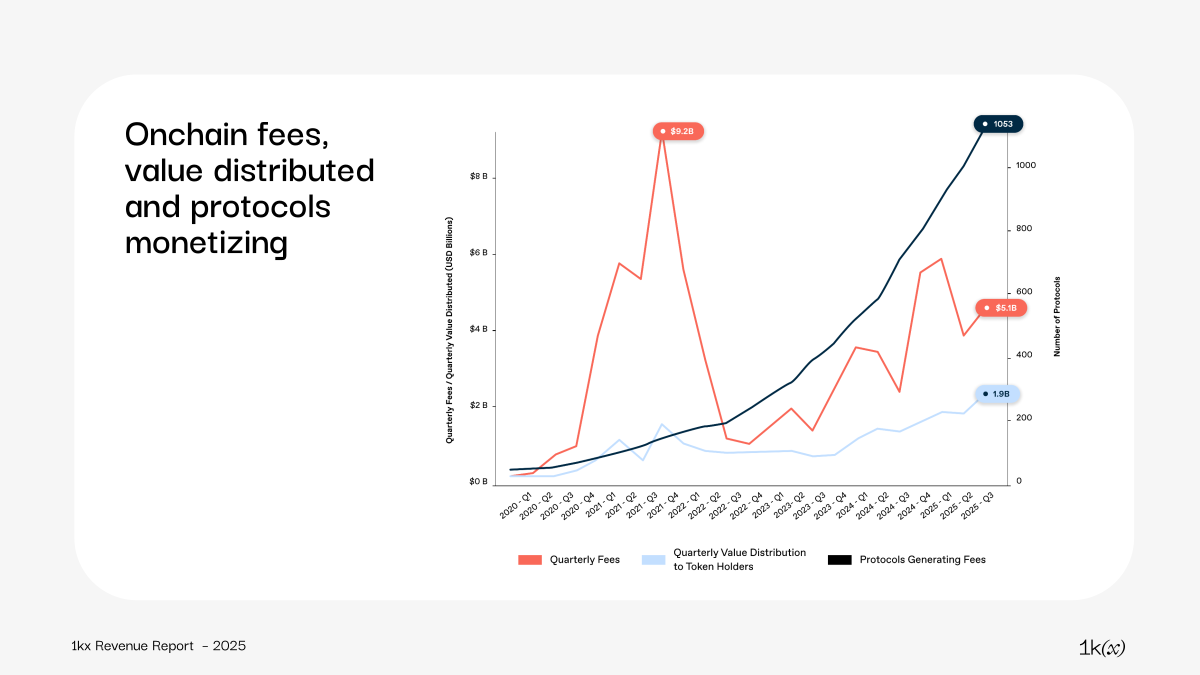
The infrastructure layer is closely tied to the performance of the underlying assets it secures. For teams building on Ethereum-based generative agents, tracking ETH volatility is essential for budgeting gas fees during peak generation periods. For Solana-based agents, SOL performance often correlates with network congestion levels.
Note: The technical chart above illustrates general market sentiment trends that often correlate with broader AI infrastructure adoption cycles, though specific token performance should be verified via the PriceWidget above.
Choosing the Right Stack
When evaluating infrastructure, prioritize data provenance if your agents handle financial transactions. The cost of a single poisoned data point can exceed the savings from cheaper compute. If speed is the priority, such as for algorithmic trading agents, consider a hybrid approach that uses centralized data feeds for input but onchain execution for final settlement. This balances the need for speed with the requirement for immutable audit trails.
Always test your chosen stack with a small amount of capital before scaling. The onchain economy is volatile, and infrastructure costs can spike unexpectedly during network congestion. Verify that your provider has a clear exit strategy for data retrieval and model versioning to avoid vendor lock-in.
Turn research into a decision framework
Onchain generative infrastructure is not a single product but a stack of specialized tools. To build a viable strategy, you must separate the data layer from the execution layer. This section outlines the practical steps to evaluate and select the right components for your AI agents.

Start by identifying which blockchain data feeds your agent requires. Generic analytics dashboards often lack the granularity needed for automated trading or complex contract interactions. Prioritize providers that offer real-time, low-latency APIs for the specific chains you are targeting. Verify that the data is onchain and not just aggregated from offchain sources to ensure accuracy.
Once data is secured, choose the execution layer. This involves selecting node providers or layer-2 networks that support your agent’s transaction volume. For high-frequency agents, consider dedicated RPC endpoints to avoid rate limiting. For cost-sensitive agents, evaluate layer-2 solutions that offer lower gas fees while maintaining security guarantees. Test latency across multiple providers before committing.

Security is the final and most critical step. Implement multi-signature wallets and time-locks for any assets your agent manages. Use automated monitoring tools to detect unusual transaction patterns or smart contract vulnerabilities. Regularly audit your agent’s code and the third-party libraries it interacts with. This proactive approach minimizes the risk of exploits in a high-stakes environment.


As an Amazon Associate, we may earn from qualifying purchases.
By following these steps, you create a robust foundation for your onchain generative strategy. Focus on reliability and security over speed alone, as trust is the most valuable asset in the digital economy.
Spotting Weak Options in Onchain Generative Tools
The onchain generative landscape is crowded with infrastructure claims that don't hold up under scrutiny. Many projects promise AI-driven asset generation but lack the necessary onchain verification or reliable data feeds. This section identifies the common traps and weak options to avoid when evaluating AI agents and generative tools.
Missing Onchain Verification
Many generative AI tools operate in a silo, disconnected from the blockchain. This creates a trust gap. Without onchain verification, you cannot prove the origin or integrity of the generated content. Look for tools that anchor outputs to the chain using zero-knowledge proofs or standard verification protocols.
Poor Data Feed Integration
Generative AI agents rely on real-time data. Weak options use stale or unverified data sources, leading to hallucinations or inaccurate market analysis. Ensure the tool integrates with reputable oracles like Chainlink or official primary sources. Avoid projects that rely on unverified social media sentiment or outdated APIs.
Overpromising on Autonomy
Some tools claim full autonomy but require constant human intervention. This defeats the purpose of AI agents. Evaluate the tool's ability to handle edge cases and execute trades or actions without manual overrides. Look for clear failure modes and fallback mechanisms in the documentation.
High Gas Costs for Simple Tasks
Generative tasks can be computationally expensive. Weak options deploy complex smart contracts that incur high gas fees for simple operations. Opt for solutions that leverage layer-2 networks or efficient offchain computation with onchain settlement. Always check the estimated cost per generation before committing.
Lack of Transparent Pricing
Many projects hide their pricing models behind complex tokenomics. This makes it difficult to predict operational costs. Look for clear, transparent pricing structures. Avoid tools that require excessive token burns or volatile fee structures that can spike unexpectedly.
Insecure Smart Contract Design
Security is paramount. Many new projects skip rigorous audits to launch quickly. This exposes users to potential exploits. Always verify that the smart contracts have been audited by reputable firms. Check for past vulnerabilities and how they were resolved. Never deploy capital into unaudited or poorly documented contracts.
Onchain generative infrastructure: what to check next
Onchain generative infrastructure is still evolving, creating uncertainty around how agents actually execute transactions and where the bottlenecks lie. Below are practical answers to common questions about the current state of AI agents on blockchain networks.
How do AI agents execute transactions onchain?
Automated AI transactions occur when agents operate as autonomous actors with dedicated crypto wallets. They use smart contracts to trigger actions based on predefined conditions or real-time data inputs. This requires robust oracle networks to feed reliable external data into the blockchain, ensuring the agent’s decisions are based on accurate, tamper-proof information.
What are the main frictions for AI agents on blockchain?
The primary friction points are discovery, trust, data availability, and execution. Agents often struggle to find trustworthy data sources or reliable counterparties on-chain. Additionally, the cost and speed of on-chain execution can be prohibitive for high-frequency agent activities, leading many to layer transactions on sidechains or rollups.
Is onchain generative infrastructure ready for enterprise use?
While promising, the infrastructure is not yet fully mature for large-scale enterprise deployment. Decentralized compute networks and tokenized data markets are emerging, but they lack the standardization and regulatory clarity required for enterprise-grade security and compliance. Most current implementations are experimental or limited to specific niche use cases.
How can I build a strategy for onchain generative infrastructure?
Start by identifying the specific problem your agent solves and the data it needs. Choose a blockchain layer that balances cost, speed, and security. Integrate reliable oracle services for data feeds and use established smart contract frameworks for execution. Always test thoroughly in a sandbox environment before deploying to mainnet.
No comments yet. Be the first to share your thoughts!