Onchain generative infrastructure limits to account for
Onchain generative infrastructure is not a single product but a stack of interconnected layers that must handle high-throughput data while maintaining cryptographic proof. For AI agents operating in this space, the primary constraint is not just compute, but the cost and latency of recording state changes on a public ledger. Unlike centralized databases where writes are cheap and instantaneous, onchain operations require consensus, which introduces friction that can bottleneck real-time generation workflows.
This friction creates a specific architectural challenge: how to keep the generative logic off-chain for speed while ensuring the output is verifiable on-chain. The most common pattern involves using zero-knowledge proofs or optimistic rollups to compress thousands of AI inference steps into a single, lightweight onchain transaction. Without this compression, the gas costs alone would make agent-driven micro-transactions economically unviable for most use cases.
The integrity of this stack relies on the immutability of the underlying blockchain. As noted in industry definitions, onchain data is transparent and permanently recorded, meaning once an AI agent’s decision is logged, it cannot be altered. This permanence is both a feature and a risk; it prevents fraud but also means any error in the agent’s logic is permanently visible. Developers must therefore prioritize robust testing environments and formal verification of agent code before deployment to mainnet.
Understanding these constraints is essential for evaluating the viability of different onchain AI projects. The technology is still maturing, and the trade-offs between decentralization, speed, and cost vary significantly across different layer-1 and layer-2 solutions. As the ecosystem evolves, we expect to see specialized infrastructures that abstract away these complexities, allowing agents to focus on reasoning rather than transaction management.
Onchain generative infrastructure choices that change the plan
Building onchain generative infrastructure requires balancing three competing forces: data availability, computational cost, and execution latency. Unlike traditional cloud stacks, onchain systems must prove validity while remaining accessible to decentralized agents. This section breaks down the concrete factors that determine which architecture fits your specific use case.
Data Availability and Storage
Onchain data is immutable and transparent, meaning any information stored on-chain is permanently visible and cannot be altered once confirmed. For generative AI, this creates a unique trust layer but also a massive storage burden. Storing large model weights or training datasets directly on a blockchain is economically unfeasible for most projects.
Instead, successful implementations use on-chain hashes to verify off-chain data stored in decentralized storage networks like IPFS or Arweave. This approach ensures data integrity without clogging the ledger. However, it introduces latency during retrieval. If your AI agent requires real-time data access, relying solely on on-chain verification may slow down inference times significantly.
Computational Cost and Execution
Running complex generative models on-chain is prohibitively expensive due to gas fees. Most on-chain transactions are simple state changes, whereas AI inference involves millions of calculations. To manage this, developers are shifting toward "verify-on-chain, compute-off-chain" models.
In this setup, the AI model runs on centralized or specialized off-chain servers. The result is then submitted to the blockchain, where a zero-knowledge proof or optimistic rollup verifies the computation. This reduces costs by orders of magnitude but requires trust in the verification mechanism. If the verification layer is compromised, the integrity of the entire system is at risk.
Latency and Network Finality
On-chain infrastructure introduces inherent latency due to block times and finality periods. A blockchain transaction might take seconds to minutes to confirm, which is unacceptable for real-time generative tasks like live video synthesis or instant chat responses. This constraint forces a design choice: prioritize speed with centralized components or prioritize censorship resistance with slower, decentralized consensus.
| Factor | On-Chain Only | Hybrid (Off-Chain Compute) | Fully Off-Chain |
|---|---|---|---|
| Data Integrity | Highest (Immutable) | High (Verified Proofs) | Low (Trust-Based) |
| Cost | Prohibitive | Moderate | Low |
| Latency | High (Block Times) | Low (Server Speed) | Lowest |
| Censorship Resistance | Maximum | Moderate | None |
The choice often depends on the asset's value. High-value assets like tokenized funds or institutional allocations benefit from the precision and auditability of on-chain verification, even if it means slower execution. For consumer-facing generative apps, speed and cost usually outweigh the need for full on-chain immutability.
| Factor | On-Chain Only | Hybrid Model | Fully Off-Chain |
|---|---|---|---|
| Data Integrity | Highest (Immutable) | High (Verified Proofs) | Low (Trust-Based) |
| Cost | Prohibitive | Moderate | Low |
| Latency | High (Block Times) | Low (Server Speed) | Lowest |
| Censorship Resistance | Maximum | Moderate | None |
Market Context
The cost of these infrastructure choices is reflected in the broader market. As demand for on-chain AI grows, the underlying assets used to pay for computation and storage see increased volatility and adoption.
Build a decision framework for onchain generative infrastructure
Choosing the right onchain infrastructure requires matching your agent's data needs with the correct blockchain layer. The onchain economy relies on transactions and assets managed directly on a public ledger, so your stack must prioritize transparency and immutability. This section outlines five practical steps to structure your build.

On-chain data is permanently recorded and cannot be altered once confirmed. If your agent requires audit trails for financial transactions, use a public blockchain where records are visible to anyone. For private agent logic, consider a sidechain with restricted access.
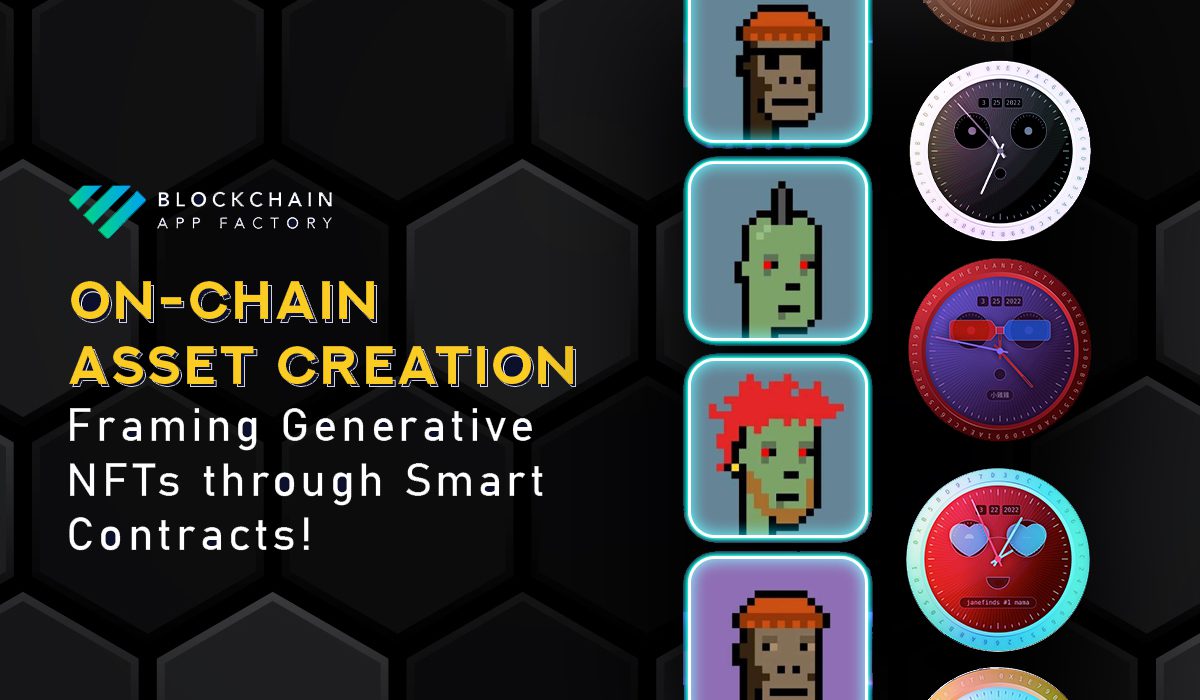
Identify which assets your agent needs to generate or trade. Ethereum offers the most robust ecosystem for ERC standards, while L2s like Polygon provide the speed needed for high-frequency generative tasks. Match the chain's throughput to your agent's output volume.
Agents cannot access off-chain data natively. Use chainlink or similar oracle networks to feed real-world information into your smart contracts. This ensures your generative outputs are grounded in current, verified market data rather than static internal states.
Decide whether to run your AI model on-chain or off-chain. On-chain inference is expensive and slow. Most efficient stacks keep the heavy computation off-chain and only record the final hash or result on-chain for verification. This balances cost with integrity.

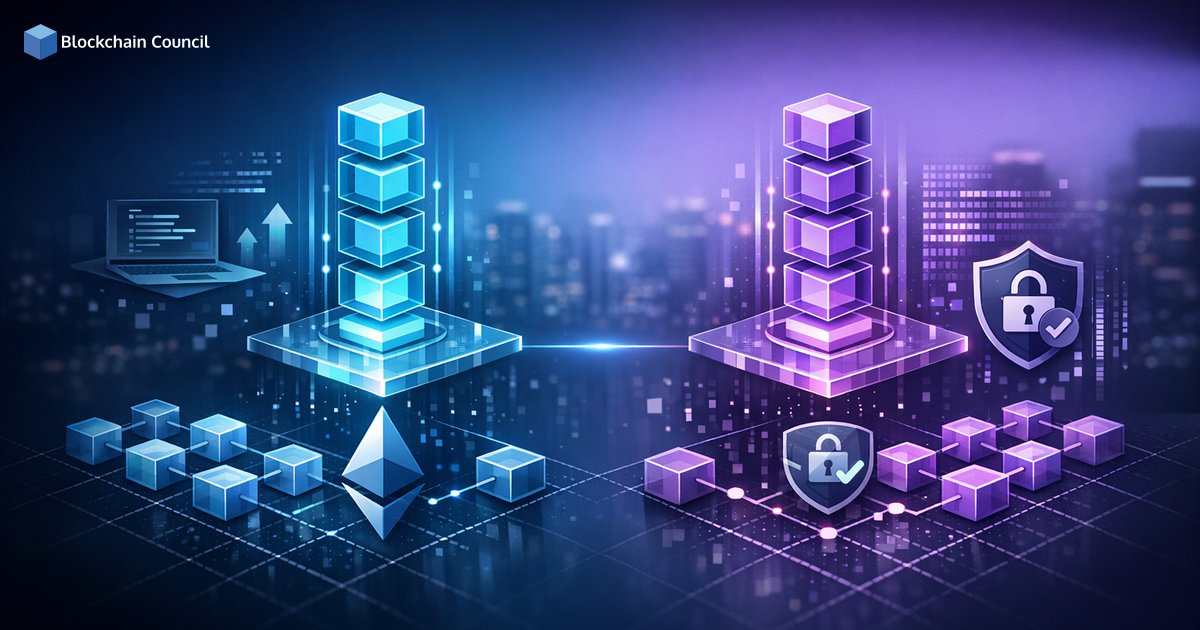
With great transparency comes great risk. Ensure your smart contracts have multi-sig wallets and time-locked upgrades. Test your agent's interaction with the blockchain thoroughly to prevent exploits that could drain assets or manipulate on-chain data.


As an Amazon Associate, we may earn from qualifying purchases.
This framework ensures your onchain generative stack is built on solid, verifiable foundations rather than abstract promises.
Spotting Weaknesses in the Onchain Generative Stack
The onchain generative stack promises a transparent, immutable layer for AI agents, but the current infrastructure is riddled with misleading claims and fragile assumptions. While VanEck defines the onchain economy as activity managed directly on a blockchain, the reality for AI agents is far messier. Many projects conflate off-chain inference with on-chain verification, creating a false sense of security. You must look past the marketing to identify where the actual value lies and where the system is likely to fail.
Confusing Off-Chain Inference with On-Chain Verification
A common mistake is assuming that because an AI model is "onchain," its outputs are inherently trustworthy. In reality, most current architectures run heavy inference off-chain and only post the final result or a proof on-chain. This creates a single point of failure. If the off-chain node is compromised or biased, the on-chain record is just a verified lie. Always check if the model weights and execution environment are fully decentralized or if they rely on centralized oracles.
Ignoring the Data Manipulation Risk
On-chain data is immutable and transparent, which sounds secure, but it is not immune to manipulation. As noted in recent research, while the ledger cannot be altered after confirmation, the data entering the chain can be falsized. AI agents trained on this "garbage in" data will produce biased or harmful outputs. The immutability of the blockchain amplifies the impact of bad data, making it permanent and harder to correct than in traditional databases.
Overlooking the 5-Layer Infrastructure Gap
Many onchain AI projects ignore the foundational five layers of AI infrastructure: Energy, Chips, Infrastructure, Models, and Applications. They focus heavily on the Application and Model layers while neglecting the physical constraints of Energy and Chips. This leads to unsustainable costs and scalability issues. A robust onchain AI stack must account for the massive electricity and hardware requirements that underpin every transaction and inference step.
Relying on Unproven Token Incentives
Tokenomics are often used to solve coordination problems in onchain AI, but they frequently fail to align long-term incentives. Many projects promise rewards for data contribution or computation, but these mechanisms are easily gamed. Agents can generate low-quality data or waste computational resources to farm tokens. Without rigorous, on-chain verifiable proof of useful work, these incentives become a drain on the network rather than a driver of value.
Onchain generative infrastructure: practical: what to check next
Before committing capital or development resources to the onchain generative stack, it helps to separate marketing noise from structural reality. The following questions address the most common points of friction for investors and builders.
The distinction between immutable ledger data and potentially manipulated input data is critical. Building resilient onchain generative systems requires focusing on the reliability of the data oracles as much as the security of the blockchain itself.
No comments yet. Be the first to share your thoughts!