Defining onchain generative strategy
The term "onchain generative strategy" is often used loosely, but it refers to a specific technical capability that separates true onchain projects from standard NFT collections. To understand the investment and development potential for 2026, we need to draw a hard line between off-chain generative art and code that actually lives and breathes on the blockchain.
Off-chain generative art is the industry standard for most NFT projects today. In this model, a creator writes a script on a local computer or server. This script uses a random number generator to combine various visual layers—backgrounds, characters, accessories—into thousands of unique images. These images are then minted as static files (usually PNGs) on the blockchain. The "generative" part happened before the token was created. Once minted, the artwork is immutable but static; it does not change, react, or compute. It is essentially a digital painting with a provenance record.
True onchain generative strategy, by contrast, requires the code itself to be stored and executed on-chain. This means the smart contract contains the logic that determines the output. When a user interacts with the contract—perhaps by minting a token or providing a seed value—the blockchain nodes execute the code to generate the result in real-time. The output is not a pre-rendered image file; it is the result of computation happening within the EVM (Ethereum Virtual Machine) or an equivalent environment. This is a fundamental architectural difference.
This distinction matters because it changes the cost structure, the user experience, and the long-term viability of the project. Off-chain art is cheap to mint but offers no dynamic utility. Onchain generation is expensive to compute due to gas costs, but it creates a living artifact that can evolve, interact, and serve as a primitive for other applications. For investors and developers, recognizing this difference is the first step in identifying which projects are merely displaying art and which are building functional onchain infrastructure.
We can see the market reacting to this technical divide through the performance of assets that enable this execution. The underlying infrastructure that makes onchain computation feasible is often tied to the broader market sentiment of the base layer.
The rise of onchain generative strategy is not just about aesthetics; it is about proving that smart contracts can handle complex, deterministic computation. As Layer 2 solutions reduce the cost of execution, the barrier to entry for true onchain generative projects lowers, making this a critical area to watch as we move toward 2026.
Core infrastructure layers
Scalable onchain generative applications rely on a specific stack of Layer 2s, decentralized storage, and off-chain compute. These layers handle the heavy lifting that base Ethereum cannot, allowing for complex model inference and high-frequency asset generation.
Layer 2 execution
Layer 2 networks provide the throughput necessary for generative processes. They offer lower gas costs and faster finality, which is essential for minting dynamic NFTs or executing frequent on-chain logic without prohibitive fees. Arbitrum and Base are currently the most active environments for this type of development.
Decentralized storage
Generative art requires reliable access to large model weights and high-resolution output files. Decentralized storage protocols like Arweave and IPFS ensure that the data powering these applications remains immutable and permanently accessible, independent of centralized server failures.
Off-chain compute
Most generative AI models are too large to run directly on-chain. Developers use off-chain compute providers to run the inference, then write the results or the seed data to the blockchain. This hybrid approach balances cost with the security guarantees of the ledger.
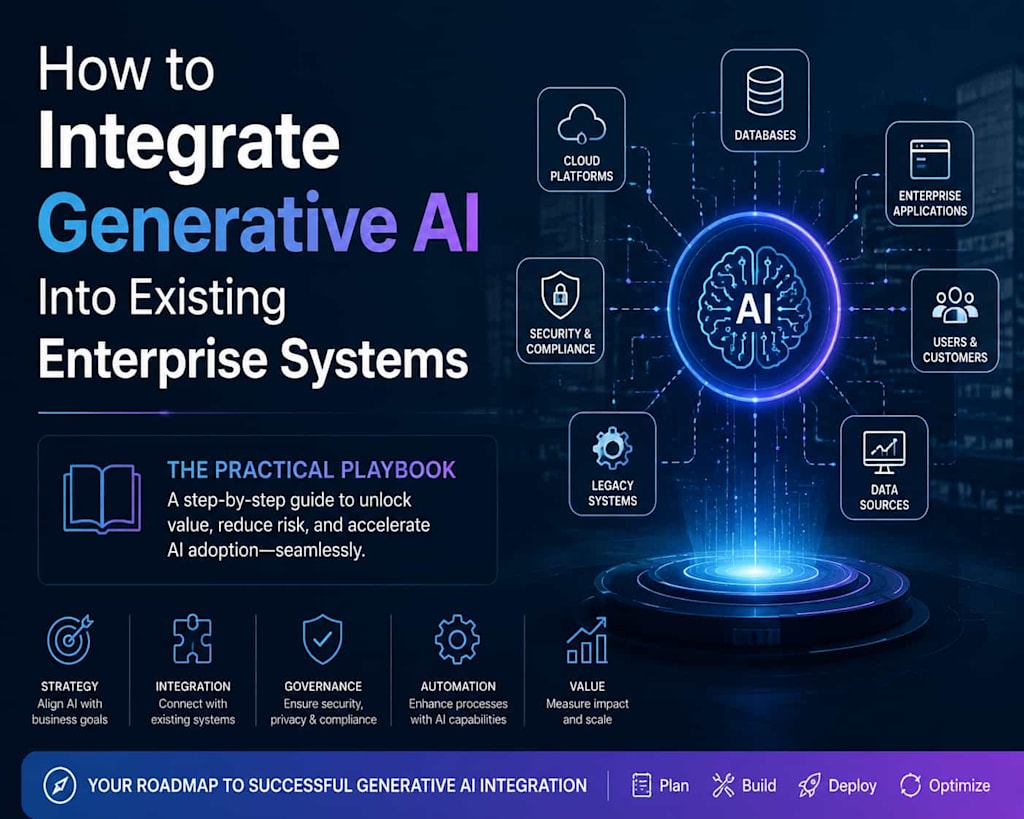
| Layer | Function | Examples |
|---|---|---|
| Layer 2 | Execution & Scaling | Arbitrum, Base |
| Storage | Data Persistence | Arweave, IPFS |
| Compute | Model Inference | Bittensor, Render |
Essential tools for builders
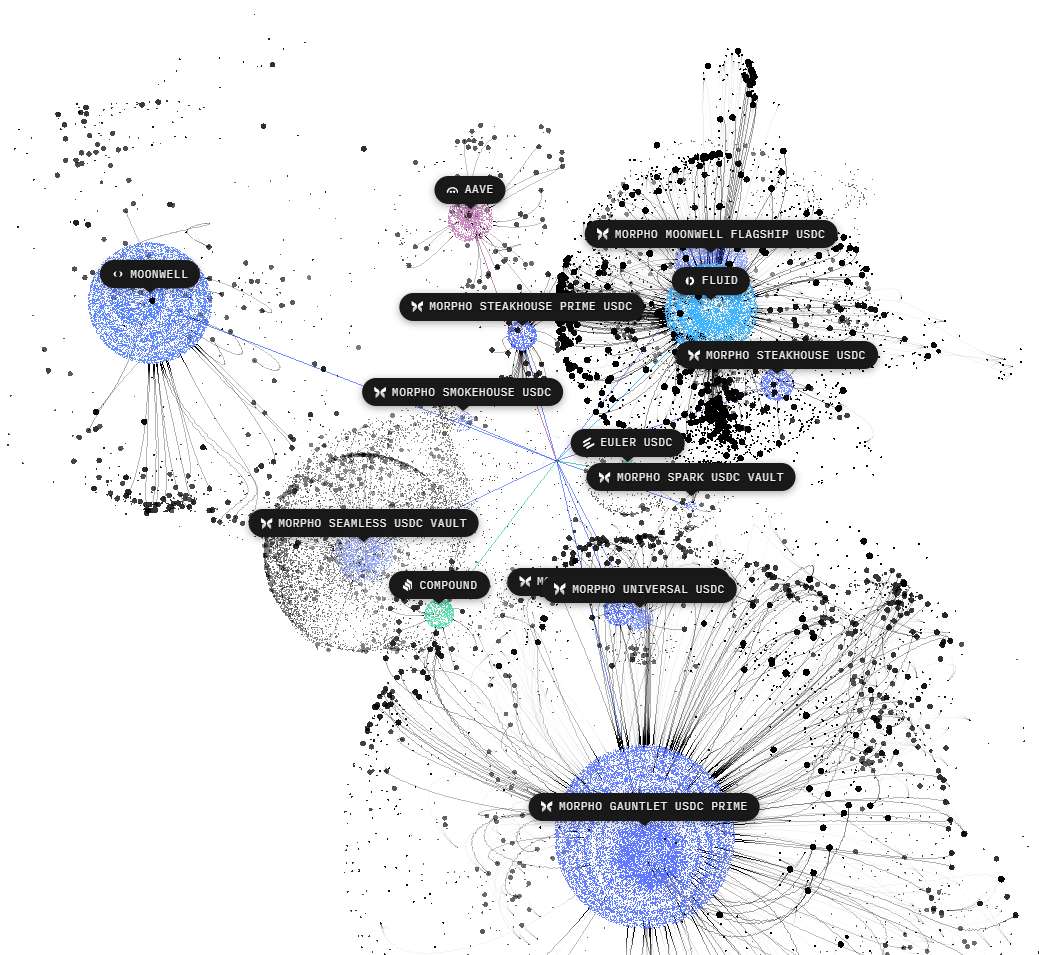
Building onchain generative assets requires more than just code; it demands a stack that handles randomness, storage, and rendering without breaking the chain's constraints. Developers need frameworks that bridge the gap between off-chain computation and on-chain verification.
The following tools streamline the workflow from generation to deployment:
Key Infrastructure Tools
-
Highlight File System
A CLI tool for uploading generative art projects onchain. It manages the file system structure, ensuring assets are stored and retrieved efficiently via the Highlight protocol. -
Randomness Oracles (e.g., Chainlink VRF)
Generative art relies on true randomness. Oracles provide cryptographically secure random numbers that smart contracts can trust, preventing predictable or manipulated outputs. -
On-chain Rendering Libraries
Lightweight libraries that allow complex visual logic to be executed directly within smart contracts or client-side scripts, reducing dependency on external servers.
When selecting tools, prioritize those with active official documentation and clear integration paths. Avoid libraries that require heavy external dependencies, as these can introduce centralization risks or point-of-failure vulnerabilities in your generative pipeline.
Market dynamics and valuation
Onchain generative assets have moved past the initial hype cycle into a phase of structural maturation. Valuation is no longer driven solely by speculative scarcity but by the utility of the underlying code and the strength of the community holding it. Investors are increasingly treating generative NFTs not just as digital collectibles, but as infrastructure plays that bridge creative expression with onchain ownership.
Current market trends show a divergence between established collections and new experimental projects. Blue-chip generative collections, often viewed as the "blue chips" of the space, are stabilizing around floor prices that reflect long-term holder conviction. Meanwhile, newer projects are experimenting with dynamic onchain behaviors, where the art itself evolves based on external data or holder interactions. This shift adds a layer of complexity to valuation, as the asset's value is tied to its ongoing functionality rather than a static image.
To understand the current trajectory, it helps to look at the broader crypto market context. The performance of generative assets is often correlated with the health of the underlying blockchain ecosystem, particularly Ethereum, which hosts the majority of high-value generative projects. A healthy ETH market typically supports higher liquidity and trading volume for these assets.
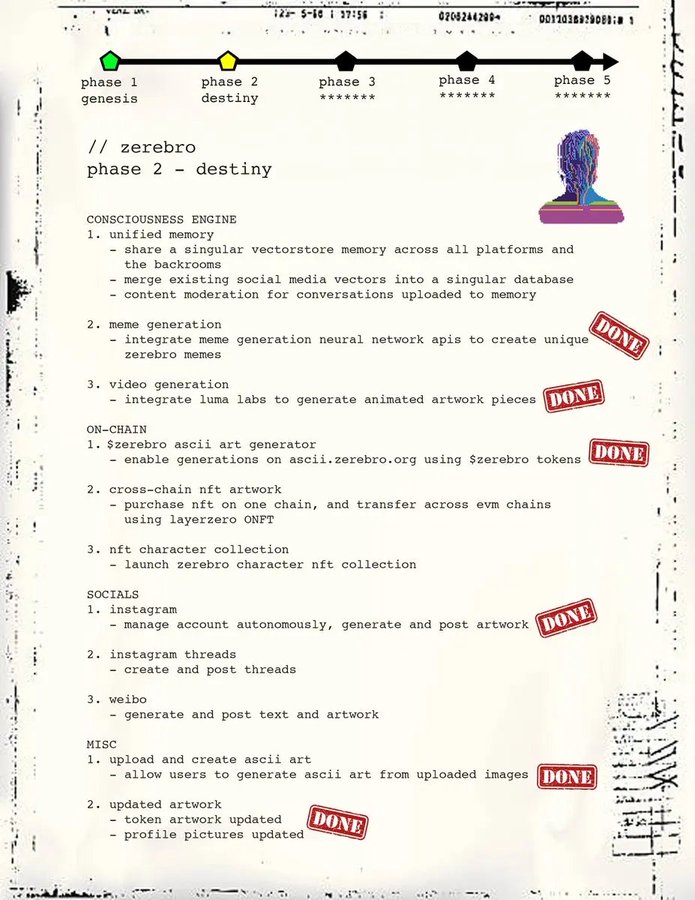
The visual language of these assets also plays a role in their market perception. High-quality, algorithmically generated artwork that demonstrates technical sophistication tends to attract more serious collectors. The aesthetic appeal is not just cosmetic; it signals the quality of the code and the creativity of the team behind it.
Looking ahead, the valuation of onchain generative strategy will likely depend on the integration of AI and autonomous agents. As these technologies become more sophisticated, the assets they generate or manage could command premium valuations due to their enhanced utility and interactivity. Investors should focus on projects that demonstrate clear utility and strong community engagement, rather than relying on short-term price movements.
Risks and regulatory considerations
Onchain generative strategy sits at the intersection of two rapidly evolving sectors: blockchain infrastructure and artificial intelligence. While the potential for innovation is high, the convergence introduces distinct vulnerabilities that investors and developers must navigate carefully. The primary risks fall into three categories: technical execution, regulatory ambiguity, and market volatility.
Technical Vulnerabilities
The core of onchain generative strategy relies on smart contracts executing complex logic based on AI outputs. This creates a single point of failure if the underlying code is flawed. As noted by Chainlink, onchain AI agent safety requires robust cryptographic guardrails to ensure autonomous programs interact with smart contracts predictably. Without these safeguards, a minor error in an AI model’s output could trigger catastrophic financial losses or smart contract exploits. Developers must prioritize rigorous code audits and transparent team structures to mitigate these technical risks.
Regulatory Uncertainty
The regulatory landscape for combining AI and blockchain remains fragmented. Governments are still grappling with how to classify assets that are both algorithmically generated and stored on a decentralized ledger. This uncertainty can lead to sudden compliance hurdles or legal challenges that disrupt project viability. Investors should closely monitor official regulatory announcements and primary documentation from relevant authorities rather than relying on speculative industry reports.
Market Volatility
Like all crypto assets, onchain generative projects are subject to extreme price swings. The market for AI-driven blockchain infrastructure is still nascent, meaning liquidity can dry up quickly during broader market downturns. To stay informed about real-time market conditions, you can track the performance of key infrastructure tokens using the chart below.
Due Diligence Checklist
Before committing capital to onchain generative infrastructure, ensure you have completed the following checks:
-
Code Audits: Verify that the smart contracts have been audited by reputable firms.
-
Team Transparency: Confirm the team’s identity and track record in both AI and blockchain development.
-
Market Liquidity: Assess the trading volume and liquidity depth of the associated tokens.
-
Regulatory Compliance: Review the project’s stance on current and emerging regulations in key jurisdictions.
Frequently asked: what to check next
Helpful gear
Use these product recommendations as a starting point, then choose the size, material, and price point that fit how you actually use the gear.

As an Amazon Associate, we may earn from qualifying purchases.
No comments yet. Be the first to share your thoughts!