What is onchain generative infrastructure?
The term "onchain generative infrastructure" refers to the specific layer of blockchain protocols, decentralized compute networks, and tokenized data markets that allow AI agents to operate autonomously and verifiably. It is not the AI model itself, but the environment where the model lives and works.
To understand the distinction, imagine an offchain AI model as a sophisticated brain housed in a private server. It generates insights, but it cannot act on them in the public digital economy. Onchain generative infrastructure provides the body and the nervous system. It gives these models the ability to hold assets, sign transactions, and access real-time data without relying on a central intermediary.
This infrastructure enables "onchain agents"—autonomous programs that live directly on the blockchain. As noted by industry analysts, these agents monitor blockchain state, process data through AI models, and execute complex workflows without human intervention. They are not just chatbots; they are economic actors capable of managing liquidity, verifying data provenance, and coordinating across multiple chains.
The shift from offchain to onchain is critical for finance and tech audiences because it introduces verifiability. When an AI makes a decision, the infrastructure ensures that the logic and the outcome are recorded on a public ledger. This transparency transforms AI from a black box into a auditable, programmable utility.
The onchain generative stack
The onchain generative stack breaks down into three distinct layers: compute, data, and agents. Each layer solves a specific bottleneck that traditional centralized systems struggle to address at scale. Understanding how these pieces interact is essential for navigating the infrastructure market.
Compute
Decentralized compute networks provide the raw processing power needed for AI workloads. Instead of relying on a single cloud provider, these networks aggregate GPU resources from various nodes. This distribution lowers costs and increases redundancy, ensuring that model inference and training can continue even if individual nodes go offline. Protocols in this layer focus on verifying computational integrity through zero-knowledge proofs.
Data
Tokenized data markets allow models to train on verifiable, high-quality sources. Unlike centralized data silos, these markets enable creators to monetize their datasets directly while maintaining provenance. For onchain generative AI, this means models can access a broader, more diverse range of information without the privacy or censorship risks associated with traditional data providers. The value lies in the ability to trace data lineage back to its origin.
Agents
Onchain AI agents are autonomous programs that live and operate directly on blockchains. They monitor blockchain state, process data through AI models, and execute transactions based on predefined logic. These agents bridge the gap between offchain intelligence and onchain action, enabling complex workflows that were previously impossible. They act as the operational layer, turning static data and compute power into dynamic, self-executing outcomes.
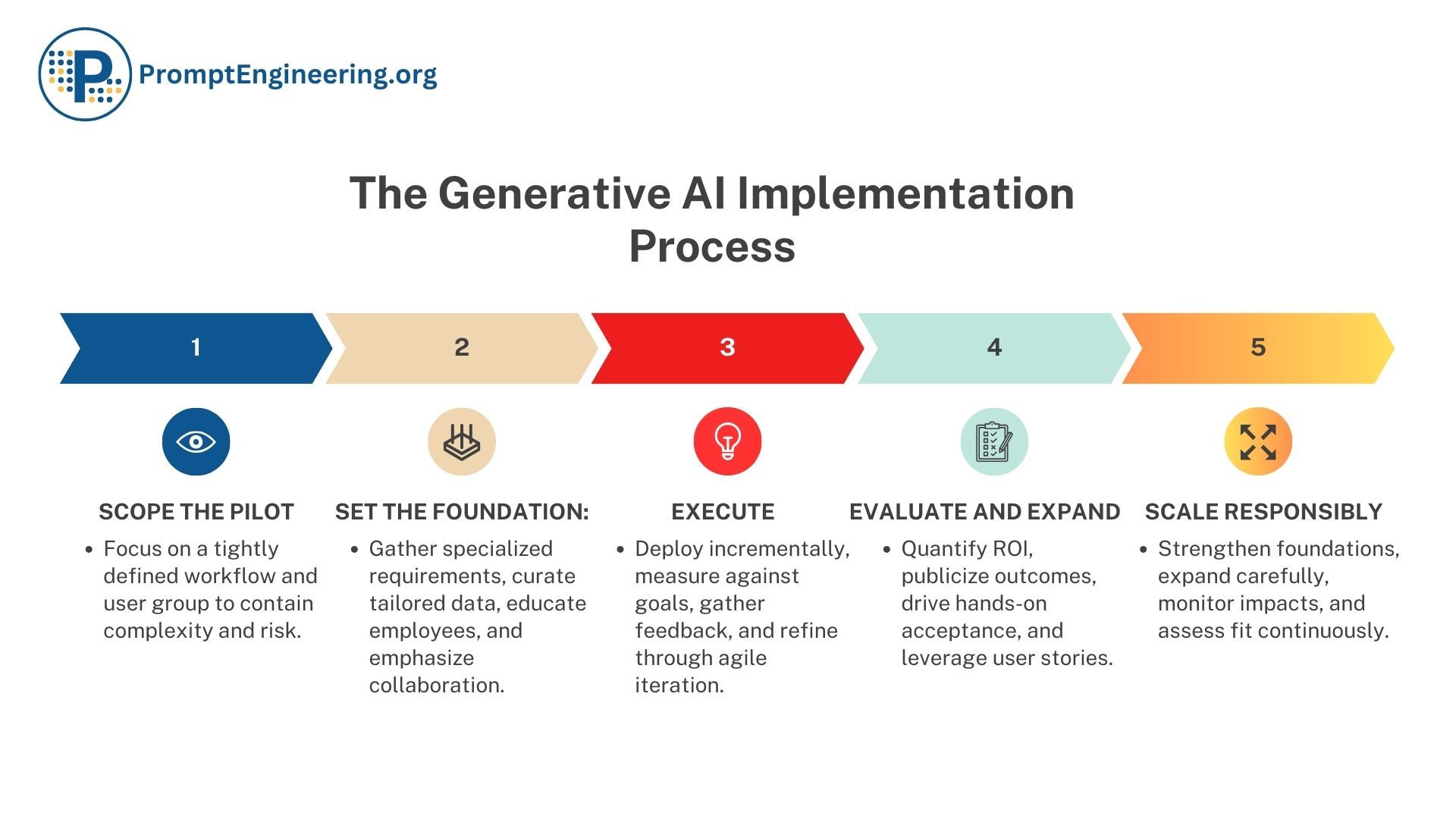
| Layer | Primary Function | Representative Protocol |
|---|---|---|
| Compute | Aggregates GPU resources for AI workloads | Render Network |
| Data | Provides verifiable, tokenized training datasets | Ocean Protocol |
| Agents | Autonomous onchain execution and monitoring | Bittensor |
Frameworks powering onchain agents
The onchain generative agent economy is moving from experimental prototypes to production-ready infrastructure. Developers and investors are now tracking specific frameworks that enable autonomous programs to live, operate, and transact directly on blockchains. These protocols bridge the gap between off-chain AI models and on-chain execution environments.
Autonomous execution layers
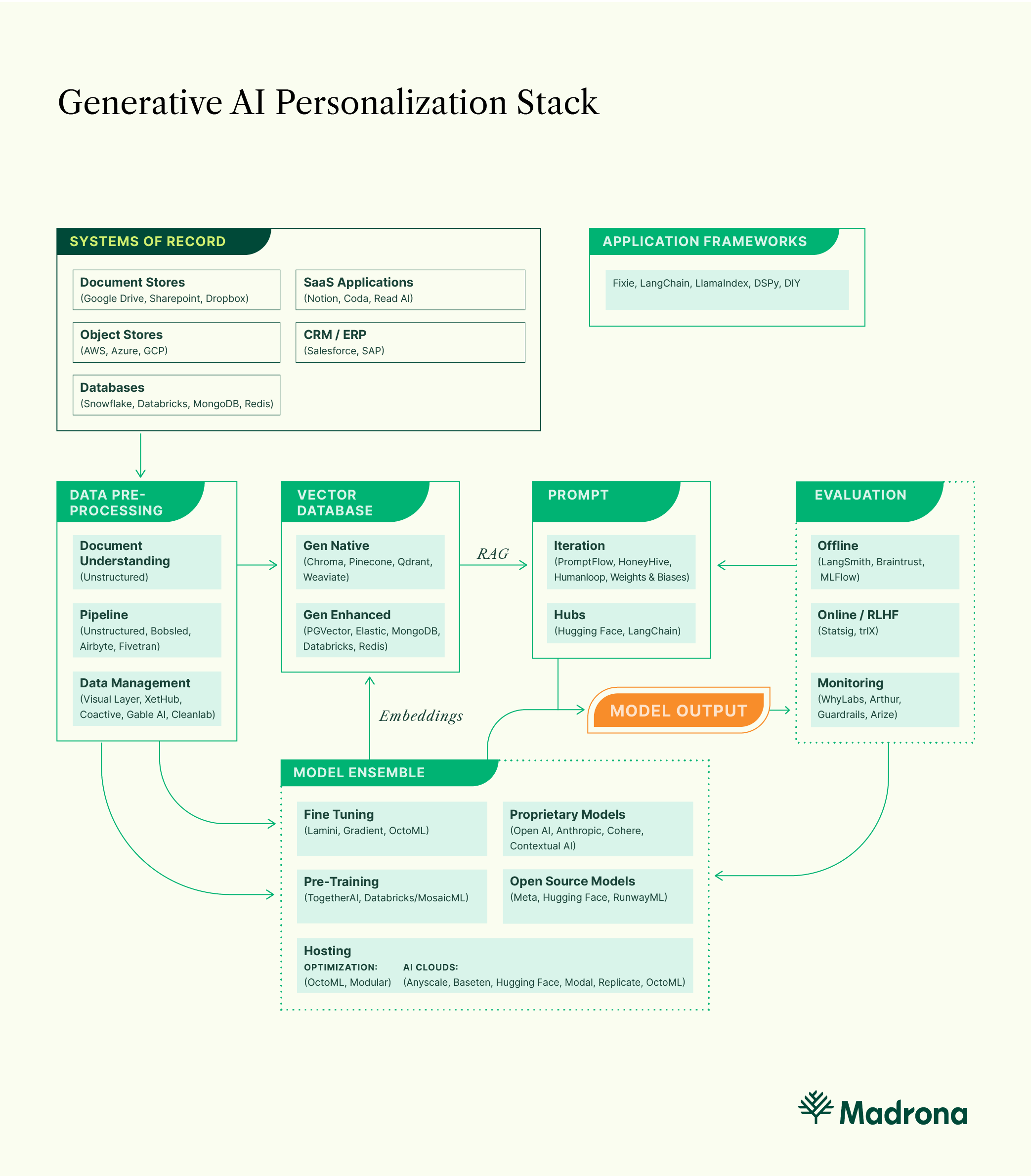
Frameworks like those highlighted by QuickNode focus on agents that monitor blockchain state and process data through AI models without constant human intervention. These systems allow agents to react to on-chain events in real-time, executing complex logic based on predefined rules or dynamic AI reasoning. This shift transforms static smart contracts into active, responsive entities capable of managing assets and interacting with other protocols autonomously.
Tooling for agent development
Building these agents requires specialized tooling that handles the complexity of blockchain interaction, security, and AI integration. The current landscape favors platforms that offer modular components for identity, memory, and execution, allowing developers to assemble agents tailored to specific use cases. This modularity reduces the barrier to entry, enabling teams to focus on agent behavior rather than reinventing the underlying blockchain connectivity.


As an Amazon Associate, we may earn from qualifying purchases.
Market signals for onchain generative infrastructure
The convergence of generative AI and blockchain is shifting from experimental prototypes to a structured investment thesis. We are no longer looking at isolated applications but at a layered value chain where compute, infrastructure, and onchain execution intersect. This convergence is projected to create a market opportunity exceeding $50 billion by 2030, driven by the need for verifiable compute and decentralized data layers.
The value accrues primarily to the infrastructure layer. While application-level tokens face high volatility, the underlying protocols providing decentralized GPU networks, data availability, and agent orchestration are establishing durable moats. Investors are increasingly distinguishing between speculative AI narratives and those with tangible revenue models tied to actual compute demand.
The onchain economy provides the settlement layer for this new digital asset class. By tokenizing compute power and AI model outputs, blockchain infrastructure enables a liquid market for resources that were previously siloed. This liquidity is critical for scaling AI agents, which require constant access to diverse data and computational resources to function autonomously.
Strategic positioning in 2026 requires focusing on the "picks and shovels" of this ecosystem. The most resilient plays are those that integrate seamlessly with existing AI workflows while offering onchain verification of provenance and cost. As regulatory clarity improves, we expect a consolidation among infrastructure providers, favoring those with institutional-grade security and transparent audit trails.
Strategic checklist for onchain generative adoption
Adopting onchain generative infrastructure requires more than buying tokens; it demands a rigorous evaluation of technical viability and economic sustainability. Whether you are a developer integrating autonomous agents or an investor assessing long-term value, use this five-point checklist to filter noise from signal.
Generative AI workloads are compute-heavy. Verify that the network offers sufficient GPU availability and low-latency inference capabilities. Check if the protocol has active partnerships with established hardware providers or if it relies on unproven, experimental node setups. Reliable compute is the foundation of any functional onchain AI application.
Models are only as good as their training data. Look for protocols that offer transparent, verifiable data markets where source attribution is immutable. Avoid projects that use scraped or unverified datasets, as these introduce significant legal and accuracy risks. Tokenized data markets that allow models to train on verifiable sources are a strong positive signal.
Onchain AI agents are autonomous programs that live and operate directly on blockchains. Assess their security architecture: do they have robust multi-signature requirements for financial transactions? Can they operate within defined bounds without exposing user funds to unlimited risk? Autonomy without guardrails is a liability.
Ensure the token model rewards actual utility rather than speculation. Look for mechanisms that tie token burns or staking rewards to real compute usage or data contribution. If the primary value accrual is vague or heavily dependent on external marketing, the project likely lacks sustainable economic foundations.

Legitimate infrastructure projects publish detailed technical whitepapers and undergo third-party security audits. Avoid projects with vague roadmaps or those that rely solely on community hype. Prioritize protocols that are actively cited in official developer documentation or recognized industry reports.
No comments yet. Be the first to share your thoughts!