The onchain generative infrastructure landscape
Onchain generative infrastructure sits at the intersection of two massive technological shifts: the rise of artificial intelligence and the maturation of blockchain networks. This isn't just about putting AI models on a server; it's about building the foundational layer where AI can create, verify, and exchange value autonomously. As AWS notes, this convergence is fueling innovation by introducing new ways to create, own, and exchange digital assets directly on the blockchain.
The synergy here is structural. Blockchain provides the immutable, transparent ledger that AI tools often lack, while AI brings the computational power and creativity needed to populate these ledgers with meaningful content. According to research from onchain.org, blockchain serves as the underlying infrastructure for many AI tools, adding a layer of trust and value that centralized systems cannot replicate. This creates a distinct market segment where data integrity meets generative capability.
For investors and developers in 2026, this landscape is defined by a shift from speculative tokens to functional infrastructure. The focus is on protocols that enable verifiable AI outputs and decentralized compute. To understand the momentum in this space, it helps to look at the market performance of leading AI-crypto hybrids.
The Artificial Superintelligence Alliance (FET) and similar tokens represent the market's bet on this convergence. While prices fluctuate, the underlying trend points toward a market that values verifiable, onchain AI services. This infrastructure is becoming the backbone of the next digital economy, moving beyond simple transactions to complex, AI-driven interactions.
The onchain generative stack breaks into three layers
Onchain generative infrastructure isn't a monolith. It mirrors the traditional AI value chain, splitting into compute, model, and execution layers. Understanding where each layer sits helps you spot where real value accrues and where the market is overpaying for hype.
Compute and model layers
The foundation is compute. This layer handles the heavy lifting of training and inference. In the onchain context, this often involves decentralized GPU networks or specialized hardware providers. Without sufficient compute, the model layer cannot function.
The model layer sits on top of compute. It consists of the actual generative AI models—large language models, diffusion models, or specialized agents. Onchain, these models are often deployed as smart contracts or accessed via oracles that fetch predictions. The integrity of these models depends on the data they were trained on, which brings us to the execution layer.
Execution layer and data integrity
The execution layer is where the rubber meets the road. This is where AI outputs are recorded on the blockchain, ensuring immutability and transparency. This layer is critical for applications requiring verifiable results, such as financial reporting or supply chain tracking.
Data integrity is the core challenge here. Unlike traditional databases, onchain data cannot be easily altered once confirmed. This provides a single source of truth, but it also means errors in the model layer can be permanently recorded. Choosing the right blockchain type—public, private, or hybrid—depends on the trade-off between transparency and data privacy.
| Blockchain Type | Access Level | Best For |
|---|---|---|
| Public | Open to all | Transparent AI audits and public data |
| Private | Restricted to members | Proprietary model training and sensitive data |
| Hybrid | Mixed public/private | Balancing transparency with data privacy |
Leading onchain generative tools
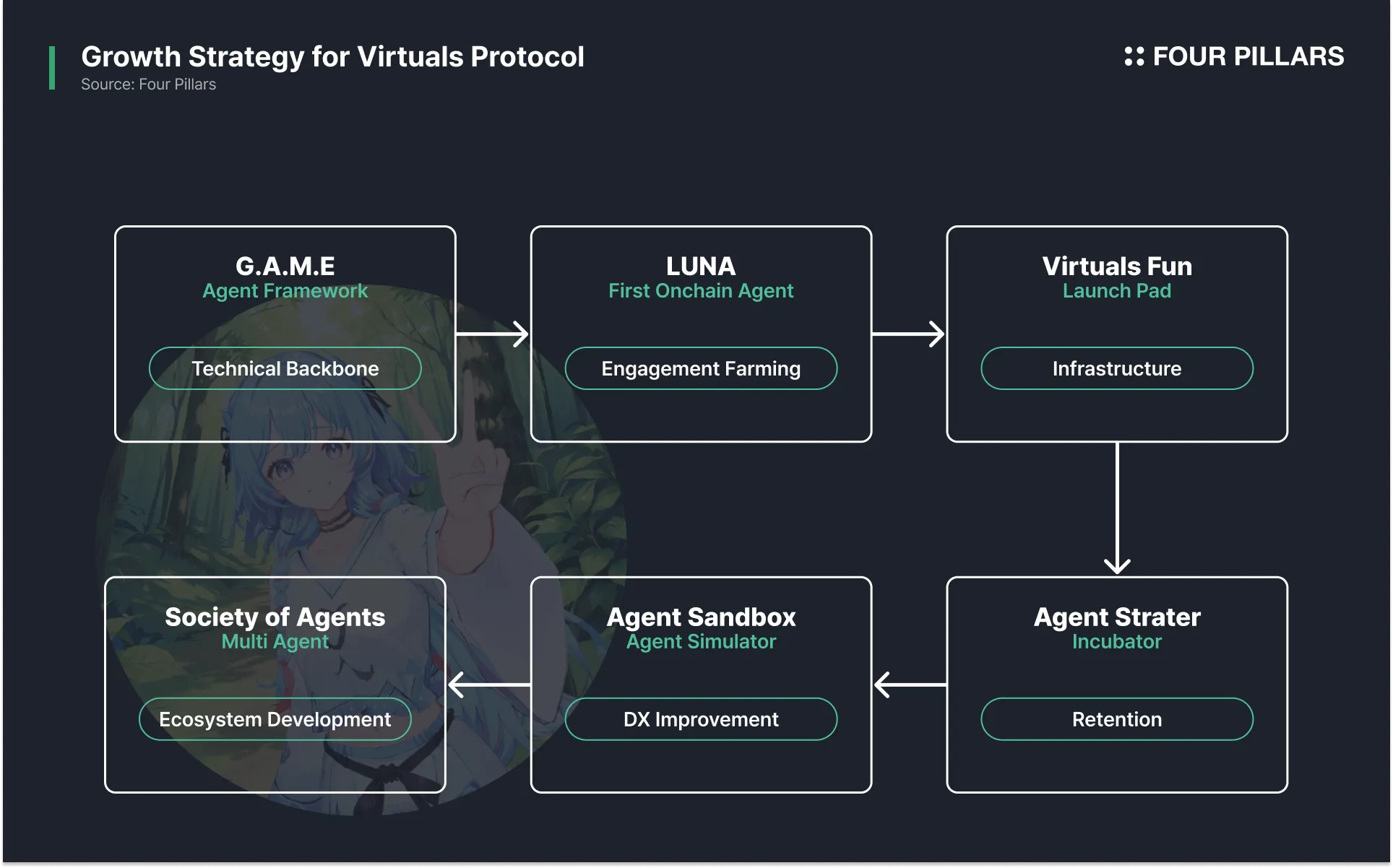
The onchain generative infrastructure market has moved beyond experimental prototypes into a functional stack of specialized tools. These platforms enable developers and enterprises to deploy autonomous agents, generate verifiable content, and execute complex logic directly on the blockchain. The following tools represent the current standard for building and scaling onchain AI strategies.
QuickNode
QuickNode provides the foundational RPC infrastructure that powers most onchain AI agents. By offering high-throughput node access and specialized APIs, it allows autonomous programs to monitor blockchain state and process data through AI models without managing their own node infrastructure. This reliability is critical for agents that must react to onchain events in real time.
ELNA.ai
ELNA.ai positions itself as the first fully onchain decentralized generative AI companion. The platform allows users to create customized AI agents in three steps and monetize them directly on-chain. This approach lowers the barrier to entry for individual creators, enabling them to deploy generative models that operate independently of centralized servers.
Onchain Agent Frameworks
Beyond specific platforms, a growing ecosystem of open-source frameworks enables the deployment of autonomous agents. These tools abstract the complexity of smart contract interaction, allowing developers to focus on the logic and decision-making capabilities of the AI. As the market matures, these frameworks will likely become the standard for integrating AI with decentralized finance and governance.


As an Amazon Associate, we may earn from qualifying purchases.
Strategic risks and data integrity
Onchain generative infrastructure operates in a high-stakes environment where data validity is the primary asset. While the market is often described as volatile, the underlying risk is less about price swings and more about the integrity of the data feeding these systems. If the input data is compromised, the generative output becomes useless, regardless of how sophisticated the model is.
The core safeguard here is the immutability of the blockchain itself. Unlike traditional databases where records can be quietly altered or deleted, onchain transactions are distributed across nodes that must agree on validity before appending to the ledger. This consensus mechanism ensures that no single actor can manipulate the history of onchain data, providing a single source of truth for all participants. This permanence is what allows financial applications to trust the provenance of assets and identities without relying on a central authority.
However, this trust extends only as far as the data entry point. The "garbage in, garbage out" problem remains acute. Generative models that pull from external APIs or off-chain sources introduce vulnerability layers that the blockchain itself cannot secure. This is why official sources and verified oracles are critical; they act as the gatekeepers between the chaotic real world and the structured onchain environment.
To understand the current market sentiment and volatility that these risks influence, you can track the broader crypto market trends below.
No comments yet. Be the first to share your thoughts!