
Defining the onchain generative layer
Onchain generative infrastructure sits at the intersection of autonomous AI execution and immutable ledger verification. It is not merely about storing AI outputs on a blockchain; it is about enabling AI agents to operate directly within the ecosystem, with every action, decision, and state change recorded transparently and auditably.
The traditional blockchain model relies on human-led transactions—signing a transfer or approving a smart contract. Onchain generative infrastructure shifts this paradigm by allowing AI models to initiate and verify transactions autonomously. As noted in recent industry analyses, protocols that execute AI-driven actions on-chain with full transparency are reshaping how digital assets are created, owned, and exchanged [LinkedIn]. This creates a new layer of digital economy activity where code and intelligence converge.
An on-chain transaction is one that's recorded directly on a blockchain, a public ledger that's visible to anyone and immutable once confirmed. By bringing AI-generated data and actions onchain, we ensure security and transparency simultaneously, as any data made immutable and permanent on the blockchain is referred to as being onchain [Onchain.org]. This foundation allows for complex, multi-step autonomous workflows that were previously impossible due to trust and verification bottlenecks.
This layer transforms blockchain from a passive record-keeping system into an active, intelligent participant in the digital economy. It enables self-sustaining ecosystems where AI agents can manage assets, negotiate deals, and execute contracts without constant human intervention, provided the underlying infrastructure supports secure, verifiable onchain operations.
Core infrastructure components
Building onchain generative infrastructure requires a stack that bridges off-chain computation with on-chain finality. The system relies on three distinct layers: data ingestion, execution logic, and connectivity. Without these pillars, AI agents cannot securely manage resources or operate continuously without manual intervention.
Data layer
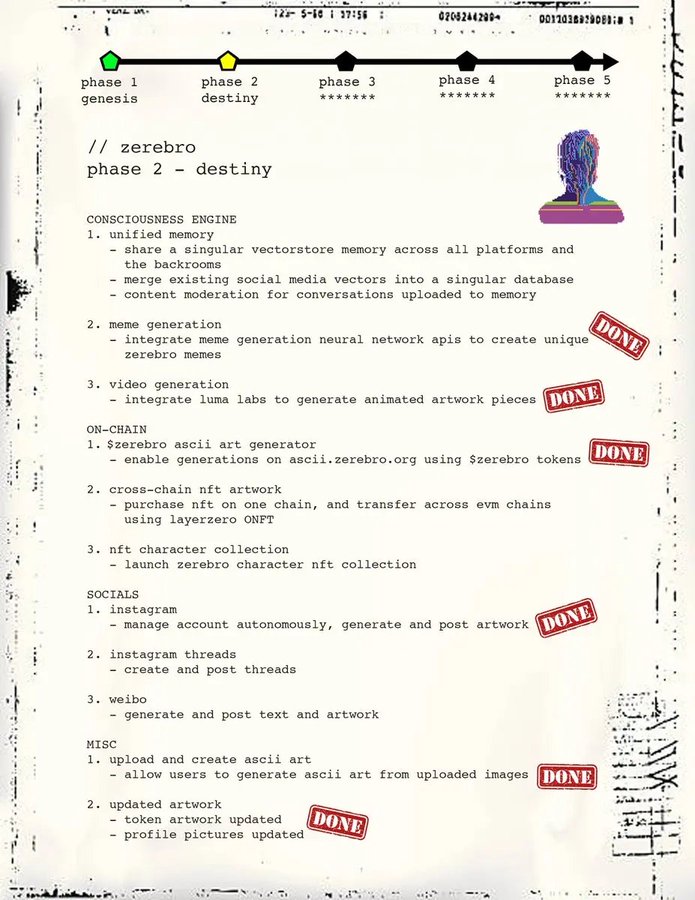
The foundation is a system that transforms raw blockchain execution into standardized, interpretable, and auditable data objects. This data layer provides the context AI models need to make decisions. It ingests on-chain events and normalizes them for off-chain processing, ensuring transparency and security for every transaction recorded on the public ledger.
Execution layer
Execution involves the smart contracts and decentralized compute environments that process AI outputs. This layer handles the logic for automated transactions, ensuring that actions taken by AI agents are verified and executed according to predefined rules. It acts as the bridge between raw data and on-chain state changes, allowing for complex, multi-step generative workflows.
Connectivity layer
Connectivity ensures seamless communication between the data and execution layers. This often involves oracle networks that feed real-world data into the blockchain or facilitate cross-chain interactions. Reliable connectivity is critical for maintaining the integrity of the generative infrastructure, allowing AI agents to react to market conditions and on-chain events in real time.
Institutional adoption and risk modeling
Institutional capital is no longer just observing the onchain economy; it is actively integrating generative infrastructure into its core risk and allocation frameworks. The shift is driven by the need for precision. Traditional off-chain AI models often treat blockchain data as a secondary signal, but onchain generative infrastructure allows institutions to build risk models that ingest immutable, real-time ledger data directly.
As the Ethereum Alliance notes, "Risk is a spectrum," and onchain infrastructure enables a more precise approach to mapping that spectrum. By leveraging onchain transaction data, institutions can move beyond lagging indicators to real-time exposure analysis. This transparency is critical for high-stakes financial analysis, where the ability to audit the provenance of data and the logic of generative outputs determines the viability of an investment.
The following table compares how traditional off-chain AI data handling differs from onchain generative infrastructure in key areas of institutional concern:
| Feature | Traditional Off-Chain AI | Onchain Generative Infrastructure |
|---|---|---|
| Data Source | Aggregated, often delayed APIs | Real-time, immutable ledger entries |
| Auditability | Black-box model weights | Transparent, verifiable on-chain logic |
| Risk Modeling | Historical backtesting | Real-time exposure simulation |
| Data Integrity | Prone to manipulation or decay | Cryptographically secured |
This structural shift is reshaping how institutional capital flows. Allocation decisions are increasingly tied to the verifiability of the underlying generative processes, favoring infrastructure that offers both computational power and cryptographic proof.
Strategic implementation for 2026
The onchain generative infrastructure market is shifting from experimental prototypes to production-grade systems. For developers and investors, the opportunity lies not in building isolated models, but in creating the pipes that move data and inference efficiently across chains. Success requires treating interoperability and scalability as foundational constraints rather than afterthoughts.
A primary bottleneck remains fragmented data layers. Without standardized protocols, generative agents struggle to maintain context or verify outputs across different networks. Early adoption of interoperability standards will determine which platforms can scale effectively. As Radius Tech notes, the onchain economy must be powered by infrastructure that is massively scalable to match the accessibility of today's internet. Building on these open standards reduces integration friction and accelerates time-to-market.
Market context for these infrastructure plays is closely tied to broader crypto asset performance. Monitoring the underlying network tokens provides a real-time indicator of developer activity and capital flow into generative sectors. The following chart illustrates the current technical posture of the leading network asset, reflecting the volatility inherent in high-stakes infrastructure bets.
Frequently asked: what to check next
Helpful gear
Use these product recommendations as a starting point, then choose the size, material, and price point that fit how you actually use the gear.
- Good starting point
- Matches the article topic

As an Amazon Associate, we may earn from qualifying purchases.
No comments yet. Be the first to share your thoughts!