The onchain generative infrastructure stack
Onchain generative infrastructure is not a single product but a layered system that moves AI workloads from centralized clouds to decentralized networks. It distinguishes itself from general blockchain usage by prioritizing verifiable execution and tokenized data access over simple value transfer. This stack enables models to train on auditable sources and execute predictions without relying on opaque, centralized APIs.
The foundation consists of decentralized compute networks. These protocols aggregate idle GPU capacity from thousands of nodes to handle the heavy lifting of model training and inference. By distributing this load, the infrastructure reduces costs and eliminates single points of failure, allowing AI workloads to scale alongside the demand for generative capabilities.
Above compute lies the data layer, where tokenized data markets provide the fuel for these models. Instead of scraping the open web, protocols source training data from verified, onchain records. This ensures that the information feeding generative models is immutable, transparent, and properly attributed, creating a reliable feedback loop between data creators and AI developers.
The top layer is the verifiable execution environment. Here, smart contracts and zero-knowledge proofs validate that AI outputs were generated correctly using the specified inputs and models. This transparency allows financial and enterprise applications to trust AI-driven decisions, bridging the gap between probabilistic machine learning and deterministic blockchain security.
Onchain generative infrastructure combines decentralized compute, tokenized data markets, and verifiable execution layers to support AI workloads directly on the blockchain.
| Layer | Core Function |
|---|---|
| Compute | Aggregates distributed GPU resources for training and inference. |
| Data | Provides tokenized, verifiable datasets for model training. |
| Execution | Validates AI outputs using zero-knowledge proofs and smart contracts. |
The Three Pillars of Onchain Generative Infrastructure
The onchain generative market rests on three distinct but interconnected layers. Decentralized compute networks supply the raw processing power, tokenized data markets provide the training fuel, and AI agent execution protocols handle the final output. Together, they form a complete stack that replaces centralized cloud monopolies with open, verifiable alternatives.
Decentralized Compute Networks
Centralized cloud providers dominate AI inference and training, but they create bottlenecks in cost and availability. Decentralized compute networks solve this by aggregating idle GPU capacity from thousands of independent nodes. Projects like Corelium and Render are building the infrastructure to match or beat the performance of traditional data centers while offering significantly lower costs. This distributed model ensures that AI workloads can scale infinitely without relying on a single vendor’s hardware inventory.
Tokenized Data Markets
High-quality data is the primary constraint for large language models. Tokenized data markets allow researchers and developers to purchase access to verified, high-integrity datasets directly from data providers. Instead of scraping the open web, models train on structured, legally compliant sources where ownership is clear. This creates a sustainable economy for data creators while reducing the legal risks associated with unauthorized training.
AI Agent Execution Protocols
The final layer is the protocol that allows AI agents to interact with the blockchain. Current research from Galaxy Digital highlights significant friction in agent discovery, trust, and execution. These protocols provide the smart contract frameworks necessary for agents to hold assets, sign transactions, and coordinate with other agents. By moving execution onchain, these agents gain transparency and immutability, allowing users to audit every action an AI takes with their funds.
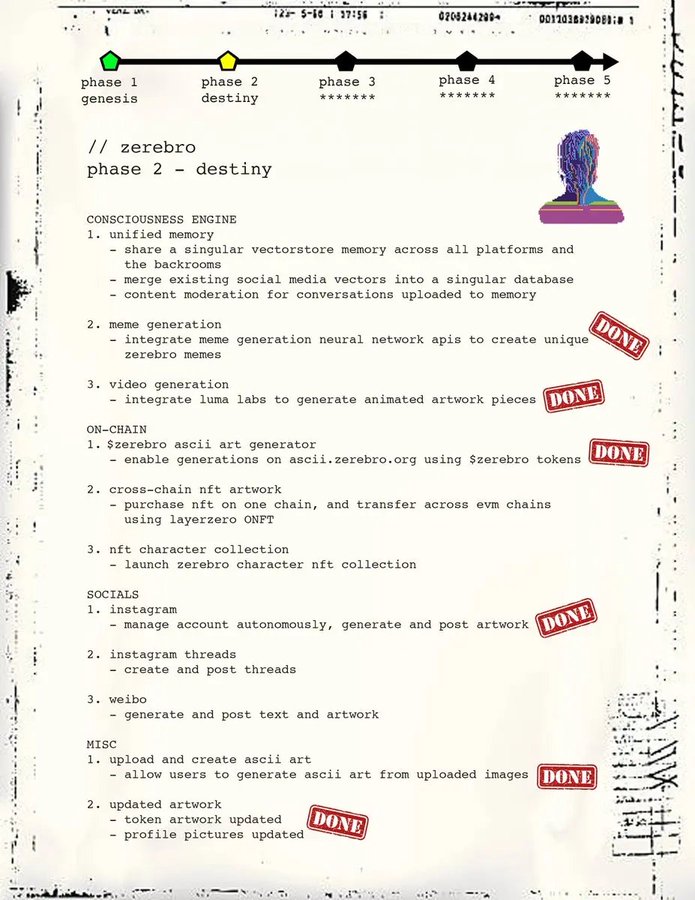
Decentralized Compute vs. Centralized Cloud
The following comparison outlines the structural differences between the two primary compute models for AI workloads.
| Feature | Decentralized Network | Centralized Cloud |
|---|---|---|
| Cost | Lower due to idle hardware aggregation | Higher due to premium pricing and vendor lock-in |
| Latency | Variable; depends on node proximity | Consistent and optimized for high throughput |
| Data Privacy | High; data can be encrypted across nodes | Low; data resides in controlled corporate silos |
| Scalability | Infinite; limited only by global GPU supply | Finite; limited by data center capacity |
Institutional capital flows into onchain infrastructure
Institutional interest in onchain generative infrastructure is shifting from speculative experimentation to structural allocation. The narrative has moved beyond the novelty of generative art toward the tangible utility of decentralized compute and data verification. As the onchain economy matures, capital is increasingly targeting the foundational layers that enable these applications rather than the applications themselves.
This transition is driven by the need for precise risk modeling. Traditional financial institutions are finding that onchain infrastructure provides a more transparent framework for assessing exposure. Rather than generating yield in isolation, these infrastructure projects optimize existing yield streams by reducing friction and increasing trustless verification. This makes them attractive as a "base rate" asset class for institutional portfolios seeking stable, infrastructure-backed returns.
Market sentiment is currently reflected in the performance of key infrastructure tokens. Investors are watching metrics closely to gauge the health of the underlying networks. The following widget tracks the price action of Render Network (RENDER), a leading provider of decentralized GPU compute often used for generative AI workloads.
The integration of AI and blockchain is creating new capital management structures. As noted by industry analysts, the infrastructure stack behind ecosystem growth is becoming a primary focus for institutional allocators. The move toward tokenized funds and onchain asset management is further legitimizing these protocols as serious financial instruments.
Technical analysis of leading infrastructure protocols
Onchain generative infrastructure is transitioning from experimental code to critical market plumbing. The protocols that win in 2026 are those that solve the structural friction between artificial intelligence and blockchain execution. As noted by Galaxy Research, AI agents currently struggle with discovery, trust, and data verification when operating on-chain. The technical advantage lies in protocols that standardize these interactions, turning raw blockchain execution into auditable, interpretable data objects.
The performance of these infrastructure layers is directly correlated with the broader crypto market's liquidity and volatility. The chart above illustrates the technical trends of a major infrastructure proxy, highlighting how volume spikes often precede protocol upgrades or data indexing improvements. Investors are watching for breaks in resistance levels that signal institutional adoption of onchain AI data feeds.
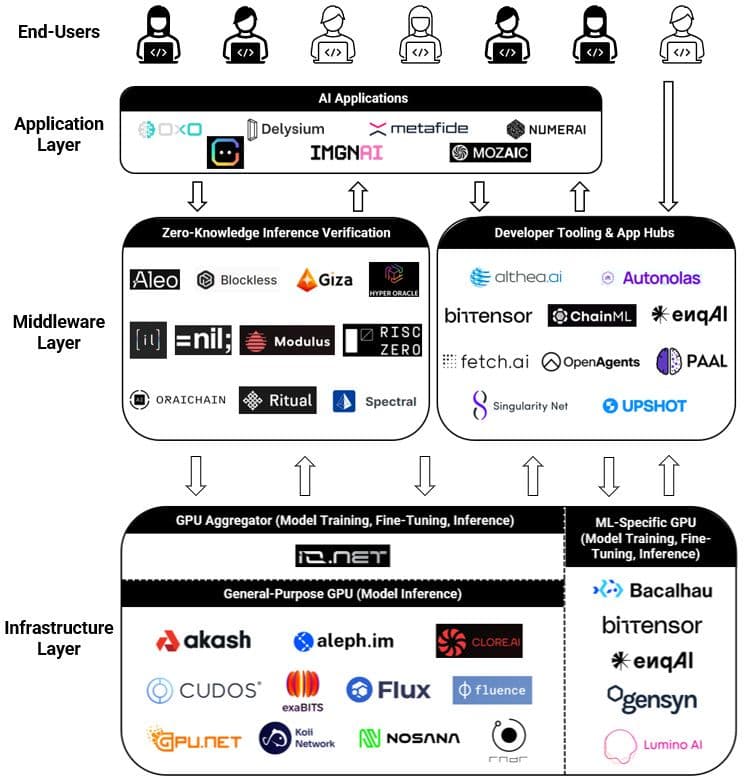
Scalability is the primary bottleneck. Current onchain data systems must transform millions of daily transactions into standardized objects without introducing latency that breaks the real-time requirements of AI agents. Protocols that offer low-latency indexing and reliable oracle services are gaining technical traction. The market is rewarding infrastructure that reduces the friction of trust, allowing AI to operate autonomously with verified onchain state.
Essential tools for onchain generative analysis
Developers and investors rely on specialized platforms to transform raw blockchain data into actionable insights. Onchain data infrastructure serves as the bridge between immutable ledger entries and interpretable analytics, turning execution traces into standardized objects that AI models can process. Without these tools, the sheer volume of onchain activity remains noise rather than signal.
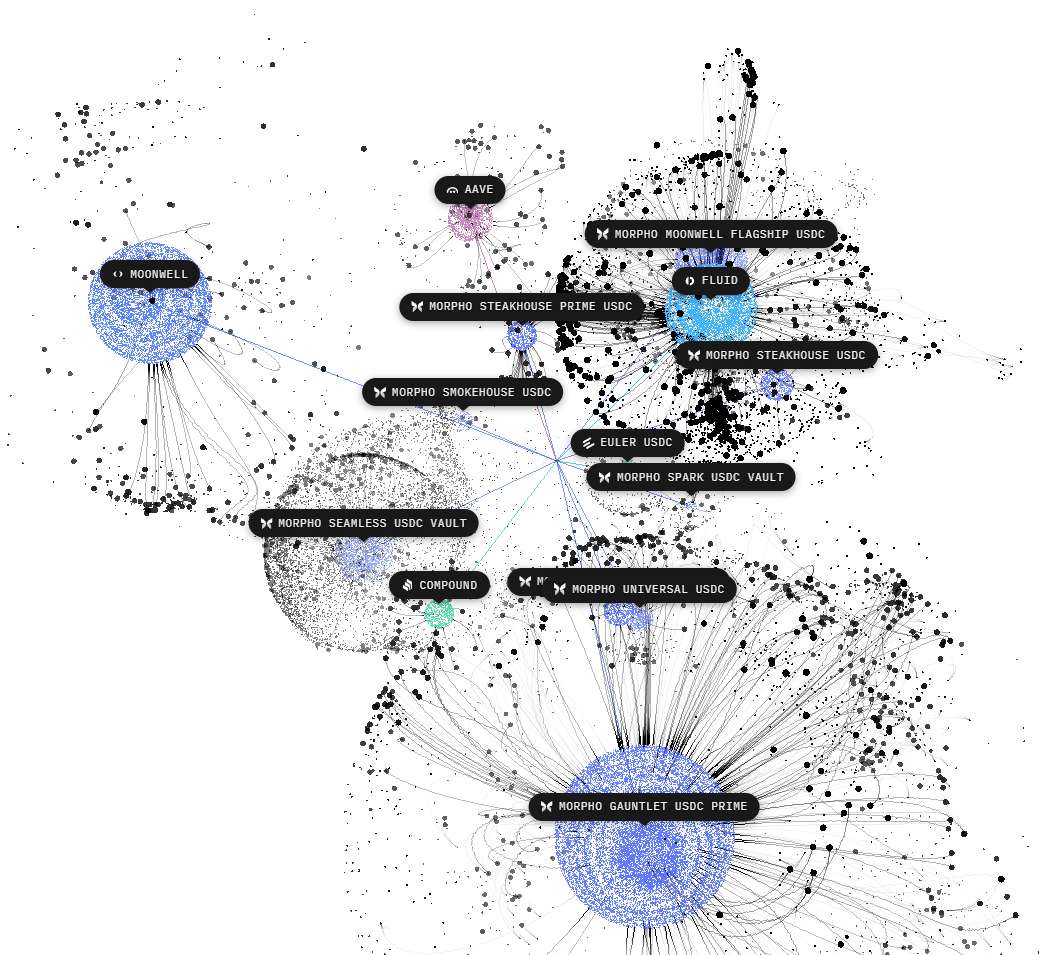
Allium provides a unified environment for querying complex onchain datasets. It standardizes fragmented data across multiple chains, allowing developers to build generative models on clean, auditable structures rather than raw, unformatted blockchain events.
Real-time price action and technical indicators are critical for validating generative strategies. Integrating provider-backed charts allows analysts to correlate onchain activity with market movements, ensuring that generative outputs align with current liquidity conditions.
As an Amazon Associate, we may earn from qualifying purchases.
Navigating friction in onchain AI agent deployment
Onchain AI agents can execute transactions, but they struggle with discovery, trust, data quality, and execution reliability. These structural frictions limit widespread adoption, creating a gap between theoretical capability and practical utility.
Discovery remains a significant hurdle. Unlike centralized platforms with algorithmic feeds, onchain environments lack standardized mechanisms for agents to find relevant counterparties or data sources. This fragmentation forces developers to build custom routing layers, increasing complexity and cost.
Trust and data integrity present equally steep challenges. Agents require high-quality, verified data to make decisions, yet onchain data is often siloed, unstandardized, or prone to manipulation. Without robust oracle networks and verification protocols, agents risk acting on flawed or malicious information, undermining the core value proposition of decentralized automation.
Execution reliability is another critical barrier. Network congestion, gas fee volatility, and smart contract vulnerabilities can cause agent actions to fail or execute incorrectly. Building resilient execution layers that can handle these uncertainties is essential for any onchain AI infrastructure aiming for mainstream adoption.
Frequently asked questions about onchain generative infrastructure
What is onchain infrastructure?
Onchain infrastructure refers to the decentralized networks and protocols that record transactions and data directly on a blockchain. Unlike traditional cloud services, this infrastructure creates a public, immutable ledger where every action is verified by the network. This transparency ensures that digital assets and computational results are permanently logged and visible to anyone, forming the backbone of the onchain economy.
How does onchain technology differ from traditional software?
Onchain technology moves computation and data storage from centralized servers to a distributed network of nodes. This approach brings data onchain, ensuring security and transparency simultaneously. By leveraging decentralized computing and data tokenization, onchain systems allow for verifiable, tamper-proof interactions, which is essential for building trust in generative AI applications that require auditable outputs.
Why is onchain infrastructure important for generative AI?
Generative AI models require significant computational resources and vast datasets. Onchain infrastructure provides a decentralized framework for staking AI models and tokenizing data, enabling a new way to create, own, and exchange digital assets. This integration allows AI developers to monetize their models securely while giving users verifiable proof of how their data is used, reducing reliance on single corporate providers.
No comments yet. Be the first to share your thoughts!