Onchain generative infrastructure limits to account for
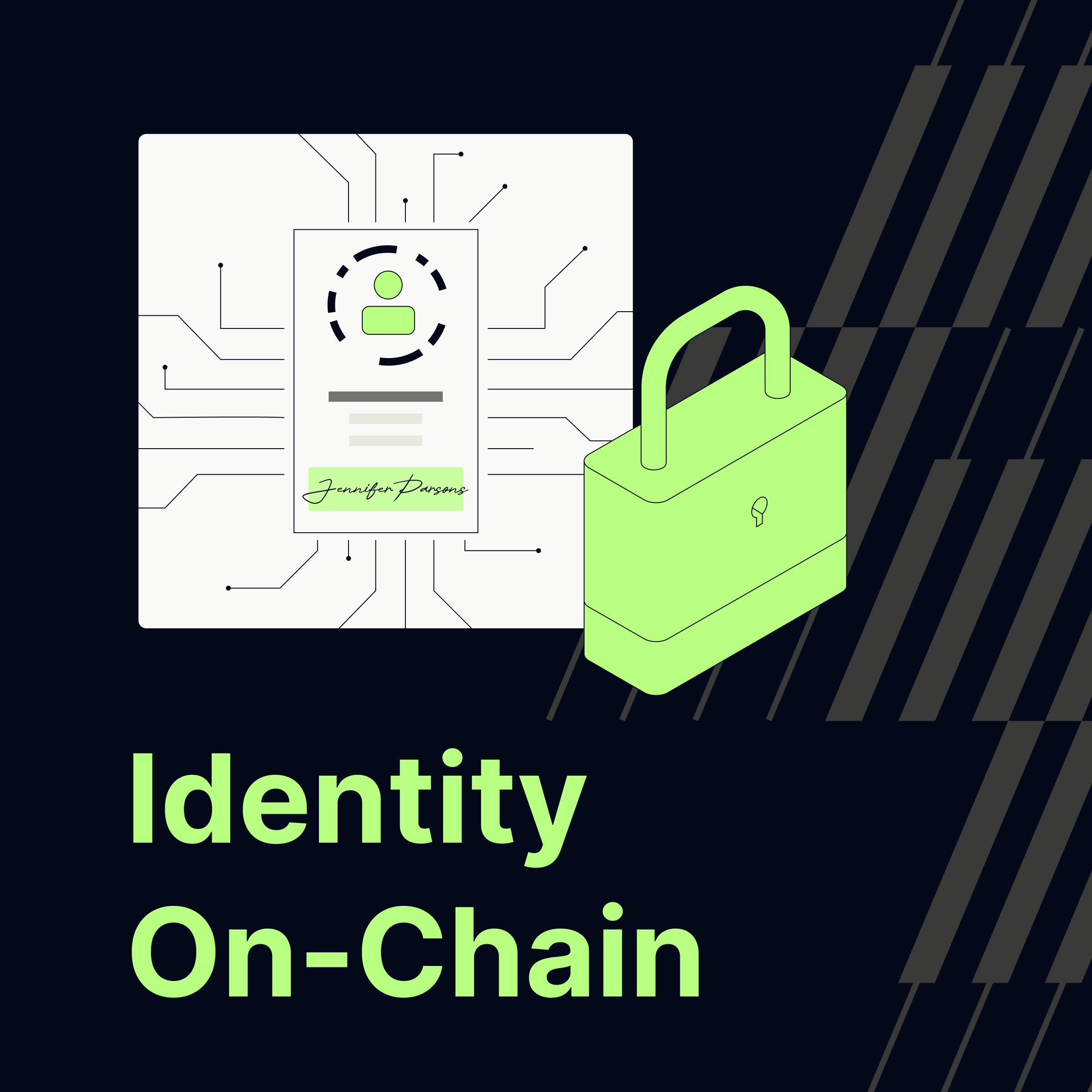
Building generative AI applications onchain requires navigating a lean but critical infrastructure layer. Unlike the monolithic stacks of traditional web2, onchain agents rely on three core registries to function: Identity, Reputation, and Validation. These registries allow agents to discover each other, evaluate trust, and execute interactions without centralized intermediaries. The Graph’s agent infrastructure model highlights this shift toward decentralized, modular trust layers that replace opaque cloud services with transparent, verifiable contracts.
For the onchain economy to support mass adoption, this infrastructure must be massively scalable and extremely reliable. Current constraints often center on data availability and execution latency. If the underlying registries cannot handle high-frequency generative queries, the entire stack bottlenecks. Developers must prioritize components that offer proven scalability, such as layer-2 rollups or specialized data availability layers, to ensure agents can operate in real-time.
When designing your stack, start by mapping the data flow. Identify which parts of your generative model require onchain verification versus offchain computation. This distinction prevents unnecessary gas costs and maintains system agility. The goal is not to put everything onchain, but to anchor the most critical trust signals—like model weights or agent reputation—where they are immutable and publicly auditable.
Onchain generative infrastructure choices that change the plan
Choosing the right stack for onchain generative AI requires balancing speed, cost, and data integrity. You are not just picking a database; you are selecting how your AI agents verify their own actions. The tradeoffs usually center on where the computation happens versus where the proof lives.
Compute vs. Verification Layer
Most generative models run offchain due to cost, but the results must be anchored onchain. The tradeoff here is latency versus trust. Offchain inference is fast and cheap but requires a separate verification layer (like ZK-proofs or oracles) to prove the output matches the input. Onchain inference is fully trustless but currently prohibitively expensive for large language models. For most 2026 use cases, you will likely use a hybrid approach: compute offchain, verify onchain.
Data Availability vs. Storage Cost
Your AI needs context. Storing training data or inference prompts directly on a Layer 1 like Ethereum is financially unsustainable. The standard tradeoff involves using decentralized storage (like IPFS or Arweave) for the raw data, while storing only the hash or pointer onchain. This keeps transaction costs low but introduces a dependency on the availability of the storage network. If the storage layer goes down, your onchain contract points to empty space.
Latency vs. Finality
Onchain finality—the point where a transaction is irreversible—can take seconds to minutes depending on the layer. Generative AI applications often require sub-second responses for user experience. This creates a conflict: waiting for onchain finality makes the app feel sluggish. The solution is optimistic rollups or state channels for the interactive layer, settling only the final state or disputes on the main chain. This mimics the speed of Web2 while retaining the security guarantees of Web3.
| Factor | Fully Onchain | Hybrid (Offchain Compute) | Offchain Only |
|---|---|---|---|
| Cost | Very High | Low | Very Low |
| Trust Model | Trustless | Semi-Trustless | Trusted Third Party |
| Latency | High | Medium | Low |
| Data Integrity | Proven | Verifiable | Unverifiable |
The market value of the underlying infrastructure tokens often reflects these utility pressures. When compute demand spikes, gas fees for verification layers rise, directly impacting the cost of running generative agents. A TechnicalChart of ETH/USD can help visualize how network congestion correlates with the adoption of specific L2 solutions designed for AI workloads.
Choose the next step
The Onchain Generative Stack works best as a clear sequence: define the constraint, compare the realistic options, test the tradeoff, and choose the path with the fewest hidden costs. That order keeps the advice usable instead of decorative. After each step, pause long enough to check whether the recommendation still fits the reader's actual situation. If it depends on perfect timing, unusual access, or a best-case budget, include a simpler fallback.
Spotting Weak Options and Misleading Claims
The onchain generative stack promises autonomy, but many projects overstate their capabilities. A common mistake is assuming that connecting a language model to a blockchain automatically creates a secure, self-sufficient agent. In reality, most "onchain AI" solutions are just offchain models with a wallet attached. This distinction matters because it affects security, cost, and reliability.
The Registry Trap
Many projects claim to have built full onchain agent infrastructure. They point to three registries: Identity, Reputation, and Validation. While this sounds comprehensive, it is often just a database with a fancy name. True onchain intelligence requires these registries to be immutable and verifiable by anyone. If the data sits in a centralized server, you do not have an onchain system; you have a cloud service with a token. Check if the registry contracts are deployed and immutable before trusting the claim.
The Scalability Illusion
Another weak option is the promise of massive scalability without tradeoffs. To make onchain AI accessible to everyone, infrastructure must handle millions of transactions. However, every onchain action costs gas. Projects that claim zero-cost or near-zero-cost onchain inference are often hiding the cost in offchain preprocessing. This creates a false economy. If the inference happens offchain, the agent is not truly onchain. It is merely reporting results. This breaks the trustless nature of the stack.
Proof of Work vs. Proof of AI
Validation is the hardest part of the stack. Many projects use simple signature checks to validate agent actions. This is weak. A better approach uses cryptographic proofs or decentralized oracle networks to verify that the AI actually performed the work. Without this, you can have a compromised agent spending your funds based on a hallucinated response. Always look for how the project validates the AI's output. If they cannot explain the validation mechanism, it is likely a weak option.
Onchain generative infrastructure: what to check next
The intersection of generative AI and blockchain introduces new technical and economic layers. These answers address the practical distinctions, security considerations, and revenue models defining the current onchain agent stack.
Helpful gear
Use these product recommendations as a starting point, then choose the size, material, and price point that fit how you actually use the gear.
- Good starting point
- Matches the article topic
As an Amazon Associate, we may earn from qualifying purchases.
No comments yet. Be the first to share your thoughts!