Onchain generative limits to account for
Onchain generative art is not just about the final image; it is about the code that generates it. The primary constraint is the cost of execution. Every step of the generation process happens on-chain, meaning you are paying gas fees for every calculation. This creates a strict boundary between what is theoretically possible and what is economically viable.
To keep costs manageable, creators use Data URLs. This technique allows you to pass image data or other media directly within the transaction URL or contract logic. By embedding the output into the transaction itself, you avoid expensive external calls or storage operations. It is a practical way to balance creativity with the harsh reality of blockchain economics.
However, this approach introduces security tradeoffs. When you put generative logic on-chain, you are also putting it in the public eye. Autonomous AI programs running on-chain need cryptographic guardrails to prevent manipulation. Without proper safety frameworks, the generative process can be exploited, leading to unexpected results or financial loss. The code must be robust enough to handle these risks while remaining efficient.
Onchain generative choices that change the plan
Building onchain generative assets requires choosing between on-chain execution and off-chain computation. This decision dictates your gas costs, latency, and security model. You must evaluate how each approach handles data availability and cryptographic verification.
On-chain execution
On-chain generation embeds logic directly into smart contracts. This ensures maximum transparency and trustlessness because the art is derived from immutable code and blockchain state. However, this approach is expensive and limited by block gas limits. Complex algorithms often require expensive state reads or iterative computations that are impractical to run on-chain.
Off-chain generation
Off-chain generation creates assets using external servers or local machines, then stores the final result on-chain or in decentralized storage like IPFS. This method is cost-effective and allows for complex, high-resolution graphics without gas constraints. The tradeoff is a reliance on centralized infrastructure and a need for trust that the generator will not alter outputs after minting.
Hybrid approaches
Hybrid systems split the workload. The smart contract manages ownership and randomness, while off-chain engines handle the heavy rendering. This balances cost with some degree of verifiability. You can use zero-knowledge proofs to verify that the off-chain output matches the on-chain seed, though implementing these proofs adds significant development complexity and time.
| Factor | On-Chain | Off-Chain | Hybrid |
|---|---|---|---|
| Gas Cost | High | Low | Medium |
| Trust Model | Trustless | Trusted | Partially Trustless |
| Complexity | Limited | Unlimited | Moderate |
| Latency | Block time | Near-instant | Variable |
How to choose your onchain generative path
Building onchain generative art is less about finding a single perfect tool and more about selecting the right infrastructure for your specific constraints. The choice usually comes down to three distinct approaches: on-chain data-driven art, fully on-chain generative NFTs, and hybrid systems that bridge off-chain computation with on-chain verification.
Each path offers different tradeoffs regarding gas costs, visual fidelity, and decentralization guarantees. Use this framework to determine which model aligns with your project's technical requirements and audience expectations.
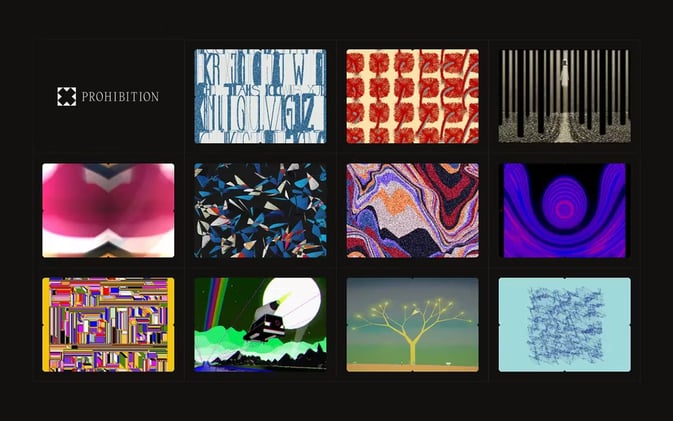
This approach uses smart contracts to read external data sources, such as weather APIs, token prices, or blockchain activity, to determine visual parameters. It is ideal for projects that want to remain visually lightweight while maintaining a strong connection to real-world events. You typically use oracles like Chainlink to feed data into the contract, keeping the on-chain footprint small.
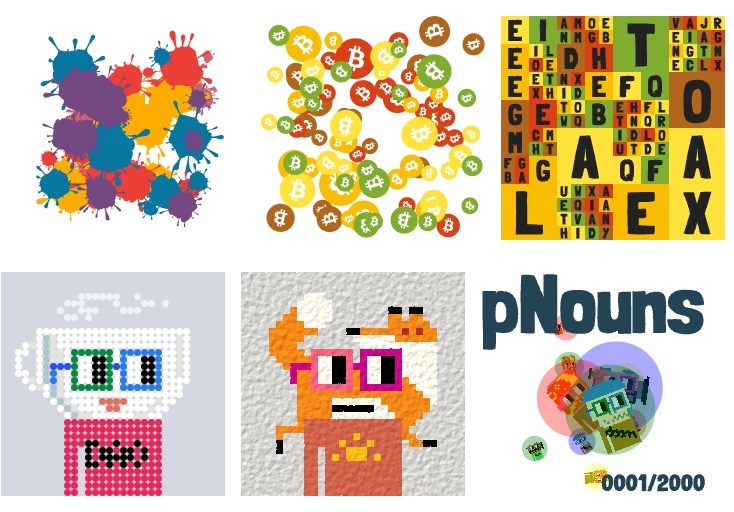
Here, the entire image is generated by the smart contract itself using mathematical algorithms. The "DNA" of the artwork is stored directly on the blockchain, ensuring total transparency and permanence. This method is computationally expensive and requires careful optimization to fit within block gas limits, but it offers the highest level of decentralization and verifiability.
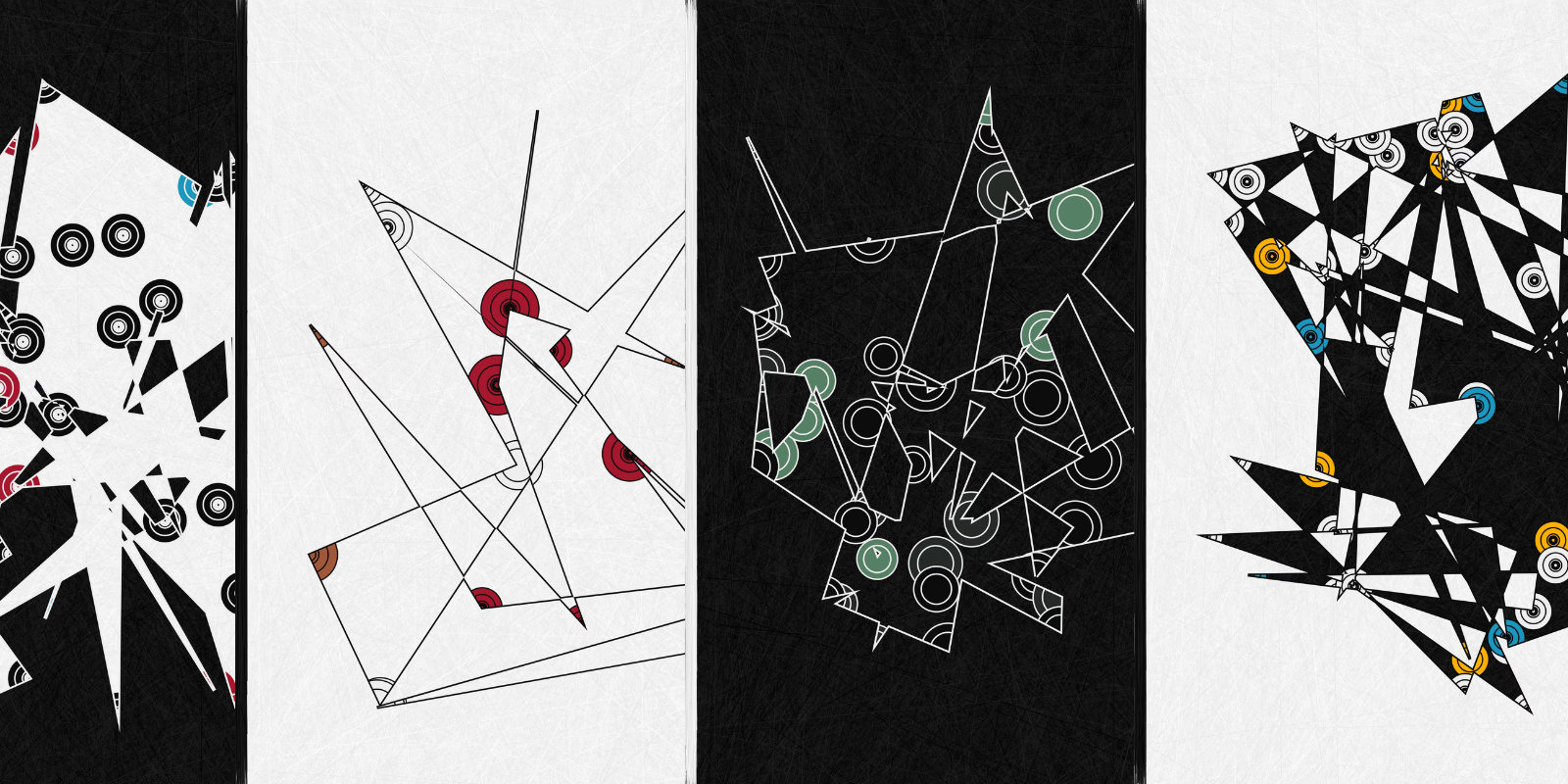
Hybrid systems generate high-fidelity art off-chain using powerful GPUs, then store a cryptographic hash or a compressed representation on-chain. This allows for complex, high-resolution visuals that would be impossible to generate entirely on-chain. The on-chain element serves as a verification layer, proving ownership and authenticity without bearing the full computational cost.
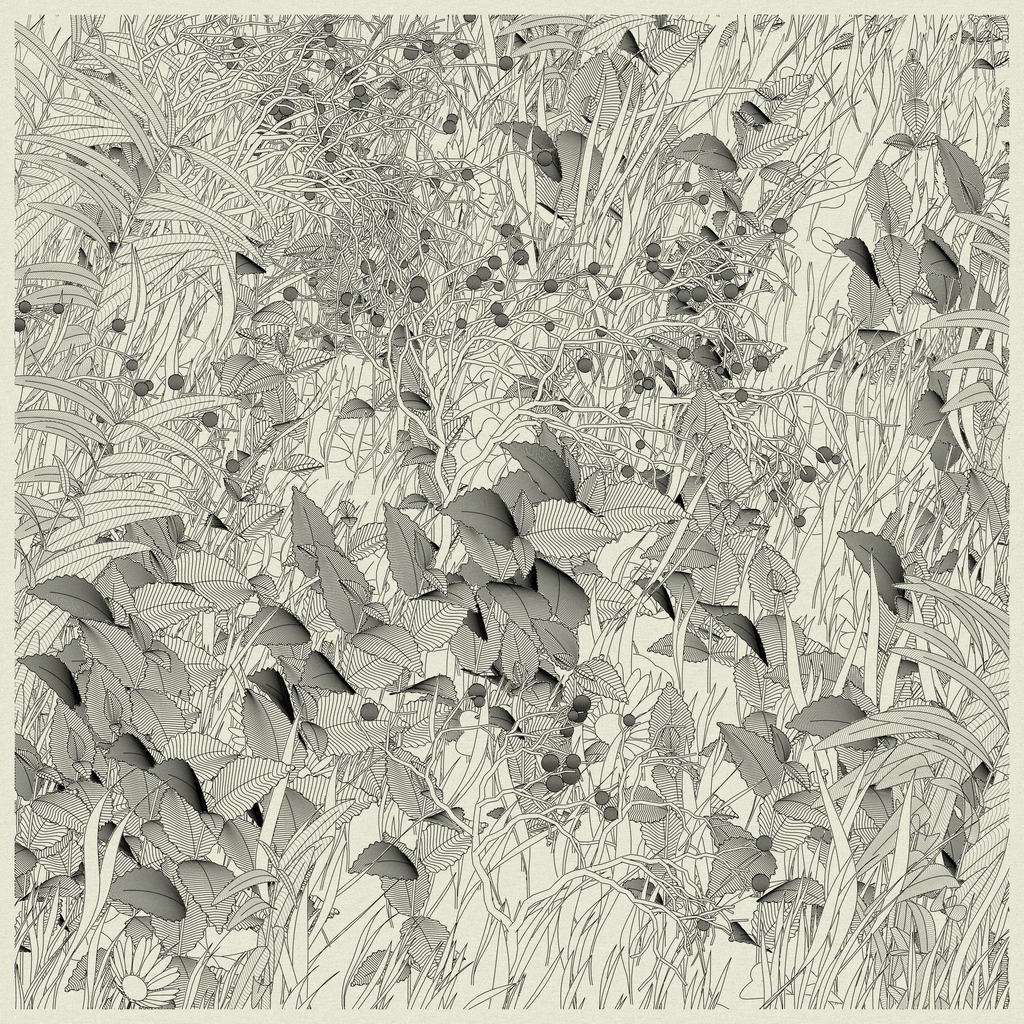
As AI agents become more involved in the creation process, security frameworks are critical. Ensure your chosen path includes cryptographic guardrails to prevent unauthorized modifications by autonomous programs. This is especially important for data-driven models where external inputs could be manipulated to alter the artwork unexpectedly.
Spotting Weak Onchain Generative Claims
The onchain generative sector is crowded with projects promising infinite scalability and zero costs, but the infrastructure realities often tell a different story. When evaluating an AI-crypto convergence project, look past the marketing gloss and check the actual computational load. Many generators rely on off-chain LLMs that merely write to the chain, creating a false sense of decentralization. True onchain generation requires significant gas efficiency, which often limits complexity.
Be wary of any platform claiming to run heavy AI models entirely on-chain without explaining the trade-offs. The gas fees for complex generative algorithms can exceed the value of the output, making the project economically unviable for users. Additionally, check if the source code is verifiable. Without transparent, audited smart contracts, the "generative" aspect may be a black box controlled by a central operator.
Red Flags to Avoid
- Hidden Off-Chain Compute: If the AI reasoning happens off-chain and only the result is stored on-chain, the project is not truly onchain generative. It is a database wrapper.
- Unverified Source Code: Projects that do not publish verifiable source code on Etherscan or similar explorers cannot be trusted for cryptographic integrity.
- Gas Fee Ignorance: Claims of "free" minting often ignore the hidden costs of data availability or rely on centralized infrastructure that can shut down at any time.
Verifying Authenticity
Use block explorers to trace the contract deployment. Look for creators who prioritize gas optimization, such as using compressed data formats or efficient storage layouts. If a project cannot explain how it handles the computational intensity of generative AI on-chain, it is likely a weak option. Always prioritize projects that demonstrate actual on-chain logic over those that merely reference AI buzzwords.
Onchain generative: what to check next
Before committing capital or code to onchain generative infrastructure, it helps to separate the hype from the mechanics. The following answers address the most common technical and financial objections readers raise when evaluating this convergence.
No comments yet. Be the first to share your thoughts!