What onchain generative strategy actually means
In the current market, the phrase "onchain generative strategy" is often confused with generative art. That is a misunderstanding of the utility. Here, we are discussing algorithmic trading and tokenomics design driven by onchain data. This approach uses immutable blockchain records to trigger automated decisions, distinct from the creative generation of images or text.
Robust onchain data is essential to develop strategic trading algorithms. By analyzing verified transactions that have been authenticated and made permanent on the ledger, traders can build models that react to real-time liquidity, volume, and holder behavior. This creates a single source of truth for all participants, ensuring that no single actor can manipulate the history of onchain data to deceive a strategy.
The integration of AI with these onchain technologies allows for the automation of complex tokenomic adjustments and trading execution. While AI can automate certain aspects of blockchain development and security analysis, the core strategy relies on human-designed logic that interprets this immutable data. The result is a system where token supply, demand, and trading activity are optimized based on transparent, onchain evidence rather than speculative offchain signals.
Backend infrastructure for onchain data
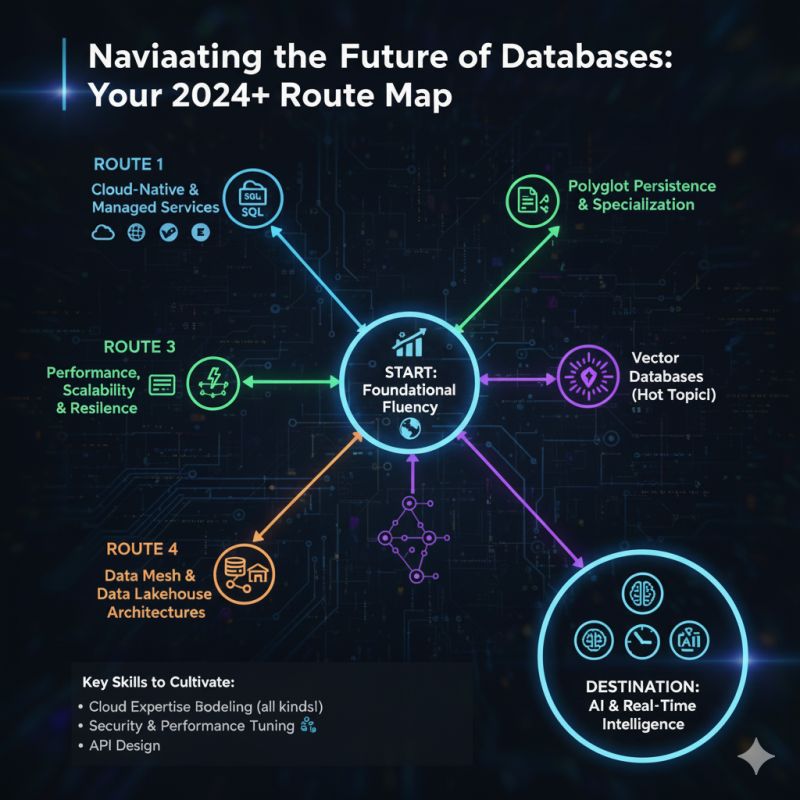
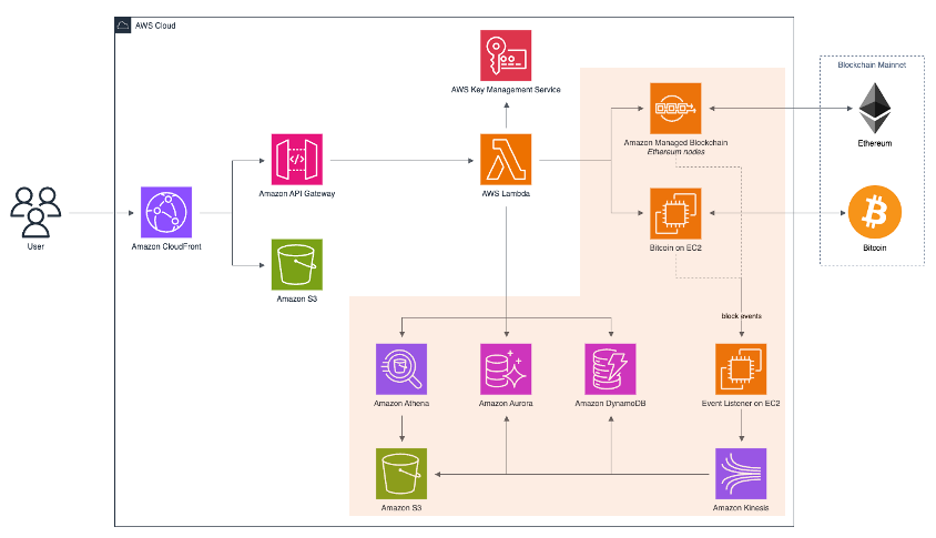
Generative models are only as good as the data they ingest. To build reliable algorithmic strategies, you need infrastructure that turns raw blockchain noise into clean, structured signals. This means moving beyond simple transaction logs to capture the full context of onchain activity.
The foundation starts with indexers and data providers. Services like Amberdata aggregate historical and real-time data, filtering out spam and normalizing formats so your models can process consistent inputs. Without this layer, you are wrestling with unstructured node data that changes with every protocol upgrade.
Data integrity is non-negotiable. Because blockchain ledgers are immutable and verified by distributed nodes, the history is a single source of truth. However, the path from the blockchain to your model must be secure. You need to ensure that the data pipeline does not introduce latency or manipulation risks before the model makes a decision.
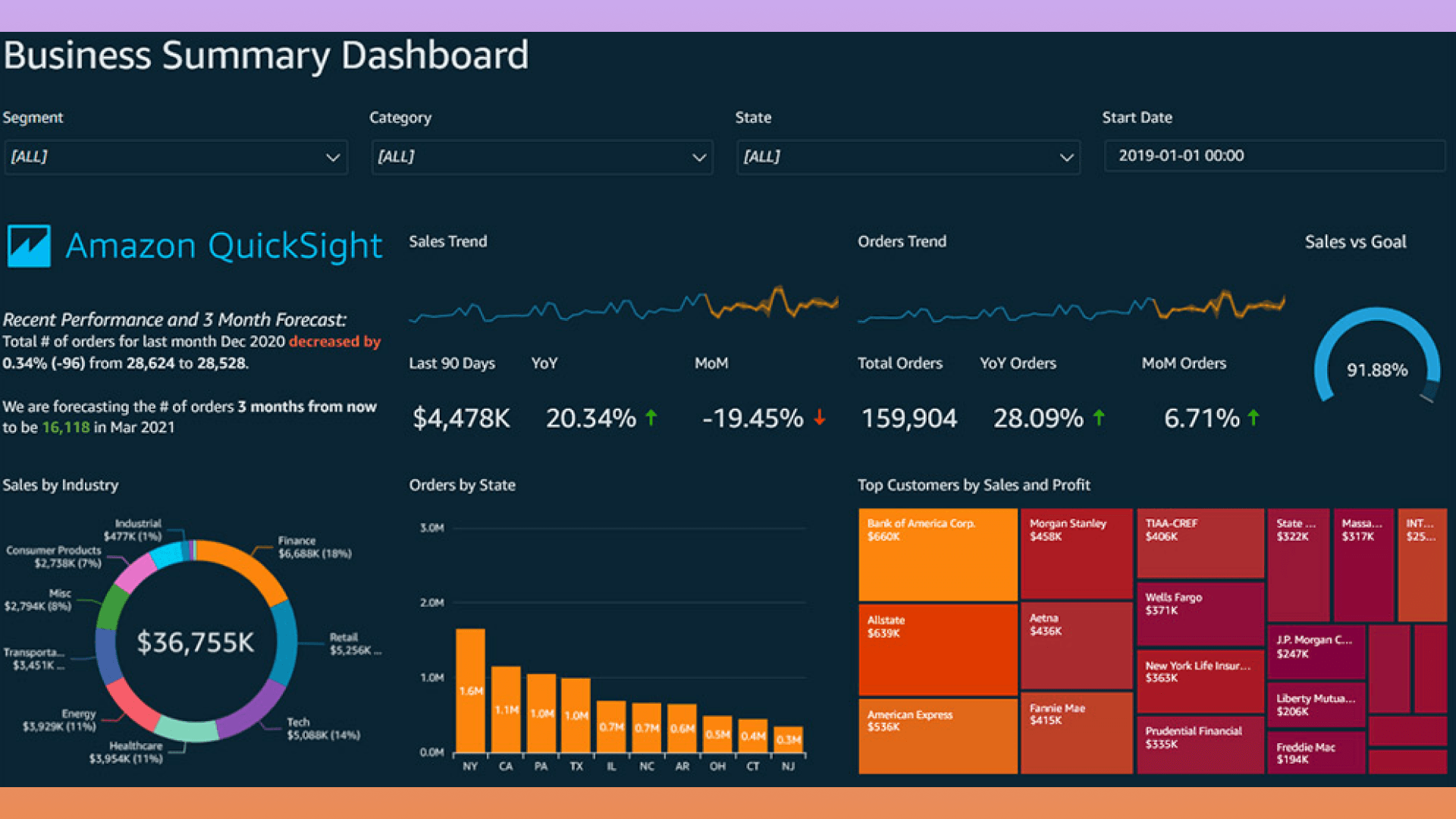
Volume and liquidity metrics are critical inputs for these models. The chart above shows ETH/USDT volume, illustrating how data liquidity fluctuates. Generative strategies must account for these spikes to avoid overfitting to low-liquidity periods. The infrastructure must feed these volume signals directly into the model’s state management.
- High IOPS storage
- Low latency networking
- Scalable compute power
As an Amazon Associate, we may earn from qualifying purchases.
Essential onchain generative tools
Building a functional onchain strategy requires separating signal from noise. You need tools that aggregate raw blockchain data, execute trades algorithmically, and manage token launches with precision. Generic dashboards won't cut it when you are managing high-stakes capital or deploying complex smart contracts. You need infrastructure that offers transparency and speed.
Data Aggregation and Analysis
Algorithmic trading relies on clean, immutable data. Onchain data provides a verified record that cannot be manipulated by a single actor, making it ideal for verifying market movements before they appear in traditional order books. Platforms like Amberdata and Dune Analytics allow you to query this data directly, turning blockchain activity into actionable signals for your bots.
Algorithmic Execution Engines
Once you have your data, you need an engine to act on it. Tools like 3Commas or Gekko connect to exchanges via API, executing trades based on your predefined parameters. These engines remove emotional decision-making from the loop. They monitor onchain liquidity pools and execute swaps the moment your conditions are met, ensuring you don't miss fleeting arbitrage opportunities.
Token Launch and Distribution
Launching a token is more than just deploying a contract; it requires a sustainable go-to-market strategy. Tools like Pump.fun or Uniswap LP managers help you set up initial liquidity and distribution. However, success depends on educational outreach and community incentives. You need tools that track holder distribution and vesting schedules to ensure your project remains compliant and trusted.
Token launch mechanics and market positioning
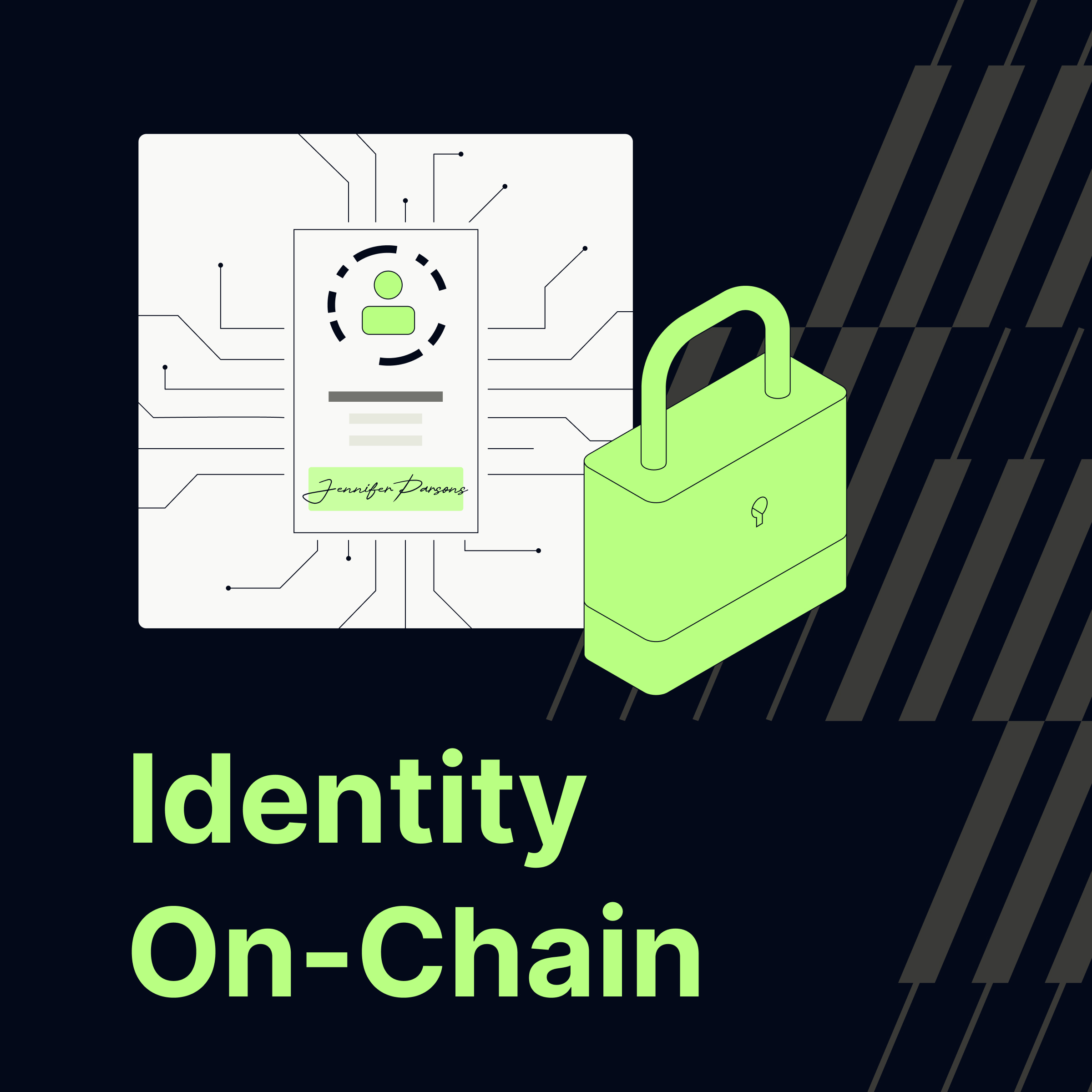
Generative strategies in tokenomics move beyond the visual arts to define how value is distributed and sustained. The core challenge is aligning algorithmic incentives with long-term network health rather than short-term speculation. A robust launch strategy requires more than a whitepaper; it demands a structured approach to educational outreach, token utility, and community alignment.
The choice of launch model fundamentally shapes market behavior. Below is a comparison of common token distribution mechanisms used in onchain projects.
| Launch Model | Distribution Method | Market Risk | Primary Use Case |
|---|---|---|---|
| Fair Launch | No pre-mine; all tokens minted or earned | High volatility; strong community alignment | Decentralized protocols seeking trustless entry |
| Vested Allocation | Team and investor tokens released over time | Lower initial sell pressure; requires trust | Projects needing long-term team incentives |
| Airdrop-Based | Free distribution to early active users | Moderate; potential for sybil attacks | Building initial user base and governance |
| Hybrid Presale | Private/public sale followed by vesting | Balanced; raises capital while limiting dumps | Infrastructure projects requiring upfront funding |
When selecting a model, consider the trade-off between immediate capital efficiency and long-term decentralization. Fair launches often generate more organic community interest but may lack the capital reserves needed for early development. Conversely, vested allocations provide stability but require transparent governance to prevent perceptions of centralization. The most successful onchain projects treat the token not as a product, but as a tool for coordinating human effort and capital.
Executing the onchain generative strategy
Launching a token strategy requires more than code; it demands a clear go-to-market plan and sustainable incentives. Use this checklist to move from prototype to public deployment without exposing your project to common pitfalls.
Before deploying, ensure your oracle feeds and data sources are immutable. Onchain data relies on distributed nodes to agree on validity, preventing any single actor from manipulating history. Verify your sources against official documentation to maintain data integrity.

Engage a reputable firm to audit your contract logic. Focus on reentrancy vulnerabilities and access control mechanisms. A thorough audit is the only way to guarantee that your generative logic executes exactly as intended under all market conditions.

Structure your tokenomics to reward long-term holders rather than short-term speculators. Design educational outreach and community building components into your initial distribution. Sustainable projects align token utility with actual platform usage, not just hype.
Publish your deployment transactions and contract addresses immediately. Transparency builds trust faster than marketing. Use live widgets to track your token’s performance from day one, allowing the community to verify your claims in real time.
Frequently asked questions on onchain strategy
Can onchain data be manipulated?
While individual transactions can be constructed by anyone, the underlying ledger integrity is protected by distributed consensus. Nodes must agree on the validity of new blocks before they are permanently appended, ensuring no single actor can rewrite history. This creates a verified record for algorithmic trading strategies that rely on immutable historical data.
What does "onchain" actually mean?
Onchain refers to any transaction or state that has been verified and authenticated by the network. Unlike off-chain records held by centralized exchanges, onchain data is immutable and permanent. This transparency allows AI agents to audit execution paths and verify yield claims directly against the blockchain rather than trusting third-party reports.
Will AI replace blockchain developers and strategists?
No. AI automates specific tasks like security analysis and code generation, but it cannot replace the human oversight required to design, deploy, and maintain complex crypto ecosystems. Developers are still essential for architecting smart contracts and managing the strategic risks that AI models may not fully grasp.
Is onchain data safe for algorithmic trading?
Data integrity is high, but execution risks remain. While the ledger cannot be easily tampered with, front-running and MEV (Maximal Extractable Value) can distort execution prices. Robust on-chain data is essential to develop strategic trading algorithms that account for these market mechanics and trigger effective entry and exit points.
No comments yet. Be the first to share your thoughts!