Why onchain generative infrastructure matters now
We are watching a collision between two massive technologies. On one side, AI agents are gaining the ability to act, negotiate, and execute tasks autonomously. On the other, blockchain provides a neutral, immutable ledger for value and data. When these two converge, they create a new economic layer where digital agents can transact with each other without human intermediaries.
The bottleneck isn't the intelligence of the models; it's the infrastructure that allows them to operate onchain. Current AI systems are largely siloed within centralized clouds. They lack the native ability to verify identity, manage digital assets, or prove the integrity of their decisions in a decentralized environment. This gap is the primary opportunity for 2026.
Onchain generative infrastructure fills this void by embedding AI capabilities directly into the blockchain protocol. It moves computation and verification onchain, allowing agents to interact with smart contracts, verify data provenance, and settle payments in real-time. This creates a trustless environment where AI-driven services can scale without relying on a single point of failure.
The market is already pricing in this shift. AI-related tokens have shown significant volatility and growth, reflecting investor confidence in the sector's potential. As the technology matures, the focus will shift from speculative assets to functional infrastructure that powers autonomous economic systems.
The infrastructure gap between where AI agents are today and where institutional capital needs them to be is significant. Solving this requires robust onchain solutions that can handle the complexity of AI operations while maintaining the security and transparency that blockchain offers. This is not just about technology; it's about building the foundation for a new digital economy.
Decentralized compute networks for inference
Centralized AI inference is hitting a wall. As onchain generative infrastructure scales, the cost and latency of routing requests through single providers like AWS or Azure become a bottleneck. Decentralized compute networks solve this by pooling idle GPU capacity from thousands of nodes, creating a market where inference is cheaper, faster, and censorship-resistant.
This architecture shifts the bottleneck from hardware ownership to verification. Instead of paying a premium for a single data center's uptime, onchain agents can query a distributed mesh of GPUs. The result is a significant drop in cost per token and the ability to scale inference linearly with demand.

The following table compares the leading decentralized compute providers on key metrics relevant to onchain generative infrastructure.
| Provider | Primary GPU | Consensus | Cost vs. Centralized |
|---|---|---|---|
| Render Network | NVIDIA A100/H100 | Proof of Stake | ~40-60% lower |
| Akash Network | Mixed (A100, V100) | Proof of Stake | ~50-70% lower |
| Io.net | NVIDIA RTX 4090/3090 | Proof of Work | ~60-80% lower |
These networks don't just lower costs; they enable real-time onchain agents that were previously economically unviable. By treating GPU compute as a liquid, tradable asset, the market ensures that inference capacity is always available where it's needed most.
Verifiable data markets for model training
Onchain generative infrastructure requires a new standard for data integrity. Traditional AI models often train on scraped datasets where provenance is unclear, leading to model drift and embedded biases. Tokenized data markets solve this by creating verifiable supply chains for information. When data is tokenized, its origin, quality, and usage rights are recorded on the blockchain, providing a single source of truth for all participants.
This shift transforms raw data into a auditable asset. Instead of relying on opaque third-party aggregators, developers can source training data from decentralized markets where every token represents a verified contribution. This ensures that onchain AI models are built on high-quality, traceable inputs rather than unverified noise. As noted by industry observers, these tokenized data markets allow models to train on verifiable sources, fundamentally changing how AI learns from blockchain-native information.
The integration of these markets into onchain generative infrastructure creates a feedback loop of quality. Contributors are incentivized to provide accurate, high-value data, while consumers gain confidence in the training sets they use. This transparency is essential for institutional adoption, where regulatory compliance and data integrity are non-negotiable. By anchoring data markets onchain, the ecosystem ensures that the intelligence driving these models is as robust as the infrastructure itself.
Onchain settlement for AI agent transactions
Autonomous AI agents need a way to pay for compute, data, and services without human intervention. Traditional banking rails are too slow and expensive for these micro-transactions. Onchain generative infrastructure solves this by using stablecoins and settlement layers as the native currency for machine-to-machine commerce.
Stablecoins like USDC provide the price stability agents require. Unlike volatile cryptocurrencies, stablecoins maintain a predictable value, allowing agents to budget for API calls or storage fees with precision. This predictability is essential for automated workflows that execute thousands of small transactions per minute.
Settlement layers handle the actual transfer of value. High-throughput blockchains enable agents to settle payments in milliseconds, ensuring that services are delivered instantly upon payment. This speed and low cost make it viable for AI agents to purchase resources in real-time, creating a liquid market for digital services.
This infrastructure shifts AI from a tool controlled by humans to an economic actor. Agents can now earn revenue, pay for subscriptions, and trade data autonomously. This capability is foundational to the emerging onchain economy, where value flows directly between intelligent systems.
The integration of stablecoins into onchain generative infrastructure removes friction from AI operations. By leveraging blockchain’s transparency and speed, we enable a new class of autonomous services that operate 24/7 without the overhead of traditional financial intermediaries.
Strategic tools for onchain generative projects
Building in the onchain generative space requires a stack that balances creative generation with immutable verification. The infrastructure must support high-throughput data ingestion while maintaining the cryptographic proofs that make onchain assets valuable. Developers need platforms that abstract away the complexity of cross-chain interoperability and on-chain data indexing.
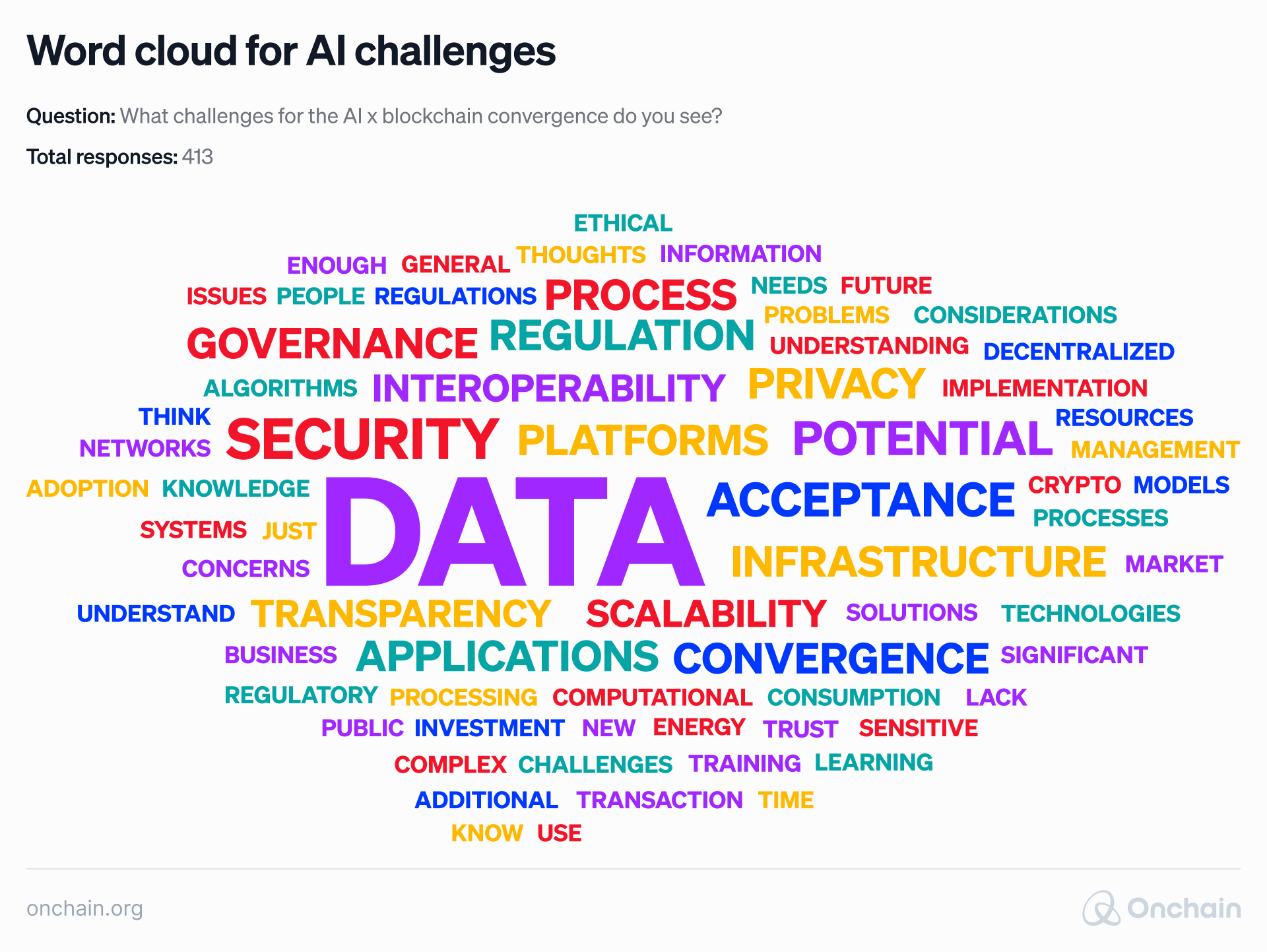
Generative models on-chain require reliable, tamper-proof data feeds. Oracles like Chainlink provide the external data necessary for smart contracts to execute logic based on real-world events. For developers, this means accessing price data, weather events, or sports results without compromising the decentralized nature of the application. Indexing protocols like The Graph allow for efficient querying of blockchain state, which is essential for training models or verifying historical generation patterns.

Generating art or AI outputs on-chain is computationally expensive. Projects often rely on decentralized compute networks to handle the heavy lifting off-chain, then submit the proof of execution on-chain. Storage solutions ensure that the generated metadata and the underlying assets remain accessible. This hybrid approach keeps gas costs manageable while preserving the integrity of the final output.

Proving that a generative output came from a specific model or creator requires robust identity layers. Tools that enable zero-knowledge proofs allow creators to verify their authorship or the origin of the data without revealing sensitive underlying information. This layer of trust is critical for collectors and investors who need assurance that the onchain asset is authentic and not a forgery.
The convergence of these tools creates a robust foundation for the next generation of digital assets. As the onchain economy expands, the ability to seamlessly integrate generative AI with blockchain infrastructure will define the most successful projects. Developers should focus on modularity, choosing components that can evolve as the technology matures.


As an Amazon Associate, we may earn from qualifying purchases.
Common questions about onchain generative infrastructure
Onchain generative infrastructure sits at the intersection of two complex technologies, often leading to confusion about how they interact. Below are direct answers to the most frequent questions regarding definitions, data integrity, and the future of this hybrid model.
No comments yet. Be the first to share your thoughts!