Defining the onchain generative limits to account for
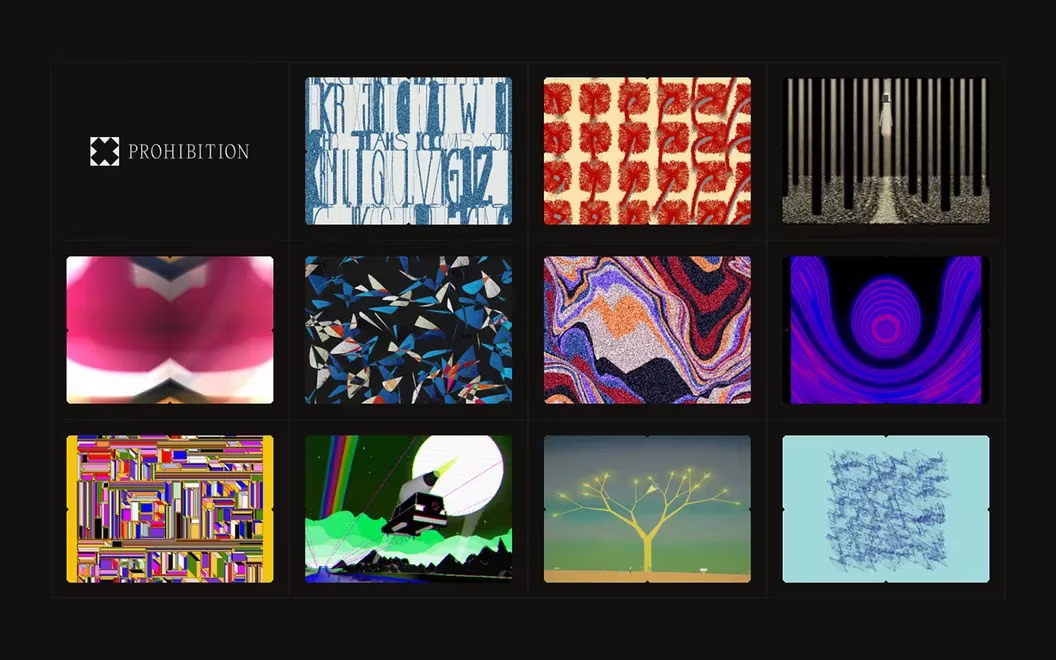
Onchain generative art operates within strict computational and storage limits. Unlike off-chain projects that store heavy assets on centralized servers, onchain generation must fit entirely within a blockchain transaction or smart contract. This constraint forces a trade-off between visual complexity and execution cost. The art is not just the output; the code itself is the artifact, residing permanently on the ledger.
The most common approach involves embedding the generative logic directly into the smart contract. This requires efficient coding to stay within block gas limits. Artists often use simplified algorithms or compressed data formats to ensure the contract can execute without exceeding transaction fees. The result is a unique aesthetic defined by these technical boundaries rather than arbitrary artistic choices.
Security and verification are inherent to the onchain model. Because the generation logic is public and immutable, anyone can verify the randomness and fairness of the output. This transparency eliminates the need for trusted third parties to prove that the art was not manipulated after minting. The constraint becomes a feature, ensuring true provenance and ownership for collectors.
Onchain generative choices that change the plan
Building onchain generative art requires balancing visual fidelity, computational cost, and user experience. Unlike offchain generators that render images instantly on a server, onchain projects execute logic directly within smart contracts. This architectural choice creates distinct tradeoffs that determine whether a project feels like a dynamic tool or a static display.
Computational cost and gas efficiency
The primary constraint is gas. Every operation on a blockchain consumes gas, and complex mathematical functions or heavy loops can quickly exceed block limits. Projects must optimize algorithms to minimize onchain computation. Many creators use Data URLs to embed media directly in the contract, which increases storage costs but reduces runtime processing. Others split rendering: the contract stores the seed and logic, while an offchain indexer handles the heavy lifting for display. This hybrid approach lowers transaction fees for users but introduces centralization risks if the indexer fails.
Latency and user experience
Onchain rendering is inherently slower than offchain generation. Users must wait for a transaction to be mined and executed before seeing the final output. This latency can break the fluidity of interactive experiences. To mitigate this, some platforms pre-render assets or use layer-2 solutions with faster finality. However, relying on layer-2s or external indexers can compromise the "trustless" nature of onchain art. The tradeoff is between immediate gratification and true decentralization. If the rendering service goes down, does the art still exist onchain? This question defines the project's integrity.
Security and immutability
Onchain code is immutable once deployed. Bugs in the generation logic cannot be patched without a new contract or upgrade mechanism. This permanence requires rigorous testing. Additionally, onchain AI agents require cryptographic guardrails to prevent malicious interactions. Unlike offchain models, onchain logic is public and accessible, making it easier for users to inspect and exploit vulnerabilities. Security audits are not optional; they are a foundational cost of onchain generative projects.
Visual quality vs. complexity
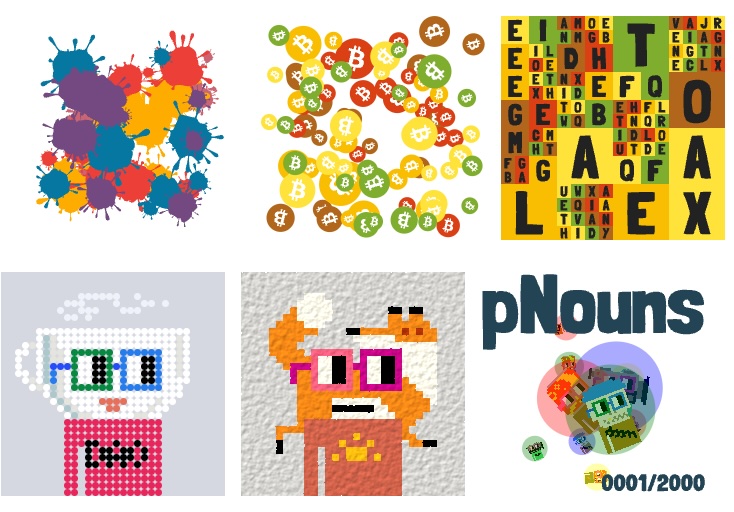
Onchain SVGs offer crisp scaling but limited color palettes and geometric complexity. PNG or JPEG generation onchain is possible but extremely expensive due to storage and computation costs. Most successful projects stick to vector-based graphics or low-resolution pixel art. This constraint often drives creativity, leading to minimalist aesthetics that are native to the medium rather than forced adaptations of offchain tools.
| Factor | Onchain | Offchain | Impact |
|---|---|---|---|
| Cost | High gas fees | Low server costs | Limits audience size |
| Speed | Slow (transaction wait) | Instant | Affects UX flow |
| Security | Immutable, auditable | Centralized, opaque | Trust level |
| Flexibility | Limited by gas | Unlimited | Artistic complexity |
Choose the next step
The Onchain Generative works best as a clear sequence: define the constraint, compare the realistic options, test the tradeoff, and choose the path with the fewest hidden costs. That order keeps the advice usable instead of decorative. After each step, pause long enough to check whether the recommendation still fits the reader's actual situation. If it depends on perfect timing, unusual access, or a best-case budget, include a simpler fallback.
Avoid the weak options
The easiest mistake with The Onchain Generative is comparing options on the most visible detail while ignoring the day-to-day constraint. A choice can look strong on paper and still fail because it is too hard to maintain, too expensive to repeat, or awkward in the actual setting. Use the same checklist for every option: fit, cost, durability, timing, upkeep, and fallback plan. That keeps the comparison practical instead of drifting into preference alone.
The simplest way to use this section is to write down the real constraint first, compare each option against it, and choose the path that still works outside ideal conditions.
Onchain generative: what to check next
Can you make money on onchain generative art?
Revenue depends on selling unique outputs or licensing the underlying algorithm. Creators often earn through primary sales of minted assets or by selling the source code to other developers. Success requires marketing the rarity of generated variants, not just the code itself.
Are onchain wallets safe for generative projects?
Security relies on cryptographic guardrails and smart contract audits. Autonomous agents controlling wallets must have strict limits to prevent unauthorized transactions. Always verify the contract source and use hardware wallets for significant assets.
How to analyze onchain data for generative trends?
You can track minting volumes, holder distribution, and secondary market flips using block explorers. Look for patterns in gas usage during drops to gauge network congestion. Tools like Dune Analytics allow you to query specific contract events for deeper insights.
What is onchain and how does generative art work?
Onchain refers to assets and logic stored directly on the blockchain. Generative art in this space uses smart contracts to create unique images or SVGs at the moment of minting. The code lives permanently on-chain, ensuring transparency and verifiable ownership.
Helpful gear
Use these product recommendations as a starting point, then choose the size, material, and price point that fit how you actually use the gear.

As an Amazon Associate, we may earn from qualifying purchases.
No comments yet. Be the first to share your thoughts!