Defining onchain generative strategy
Onchain generative strategy sits at the intersection of automated asset management and AI-driven data processing. It is not merely about storing value; it is about actively deploying capital through smart contracts that adapt to real-time market conditions. This approach transforms static holdings into dynamic, yield-generating assets by leveraging the transparency and programmability of blockchain infrastructure.
At its core, this strategy relies on two distinct layers. The first is the automated yield mechanism, which executes trades and rebalances portfolios without human intervention. The second is the AI component, which processes vast amounts of onchain data to identify opportunities, assess risk, and optimize allocation. Together, they create a system that can react to market shifts faster than any manual trader.
The onchain economy provides the necessary infrastructure for this to function. As VanEck notes, this economy is defined by transactions, data, and assets managed through blockchain-based systems. This environment allows AI algorithms to access immutable, real-time data points, ensuring that decisions are based on accurate, unfiltered information rather than delayed market reports.
By combining these elements, investors can access sophisticated financial strategies that were previously limited to institutional players. The result is a more efficient capital allocation process, where assets work around the clock to maximize returns while minimizing exposure to unnecessary risk.
Automated yield as the foundation
Automated onchain yield strategies form the baseline infrastructure for more complex onchain applications. Rather than treating yield as a speculative side hustle, these protocols function as the plumbing for asset management. They generate steady, low-risk returns by automatically reallocating capital across lending markets, liquidity pools, and staking mechanisms.
Think of this layer as the engine of a car. You don't need a self-driving AI to make the car move, but you can't build a sophisticated autonomous system without a reliable powertrain first. In the same way, generative AI agents need a predictable, programmable income stream to operate effectively onchain. Without automated yield, an AI agent's capital sits idle, eroding in value against inflation and opportunity costs.
The mechanics are straightforward but powerful. Smart contracts monitor multiple DeFi protocols in real-time, shifting funds to wherever the risk-adjusted return is highest. This automation removes the need for constant human intervention, allowing capital to compound efficiently. For an AI agent, this means its treasury can grow passively while it focuses on higher-level tasks like executing trades, managing data, or interacting with other agents.
This foundational yield layer enables the next wave of innovation. As AI agents become more prevalent, they will rely on these automated strategies to fund their operations. The stability provided by diversified yield sources ensures that agents remain solvent and operational, even during market volatility. This reliability is what transforms AI from a theoretical concept into a practical, onchain economic actor.
Algorithmic trading with onchain data
Robust onchain data feeds are the engine behind modern algorithmic trading. Unlike traditional markets where price action is the primary input, crypto algorithms can react to network fundamentals stored directly on the blockchain. This creates a distinct advantage: strategies can execute trades based on actual network activity rather than just market sentiment.
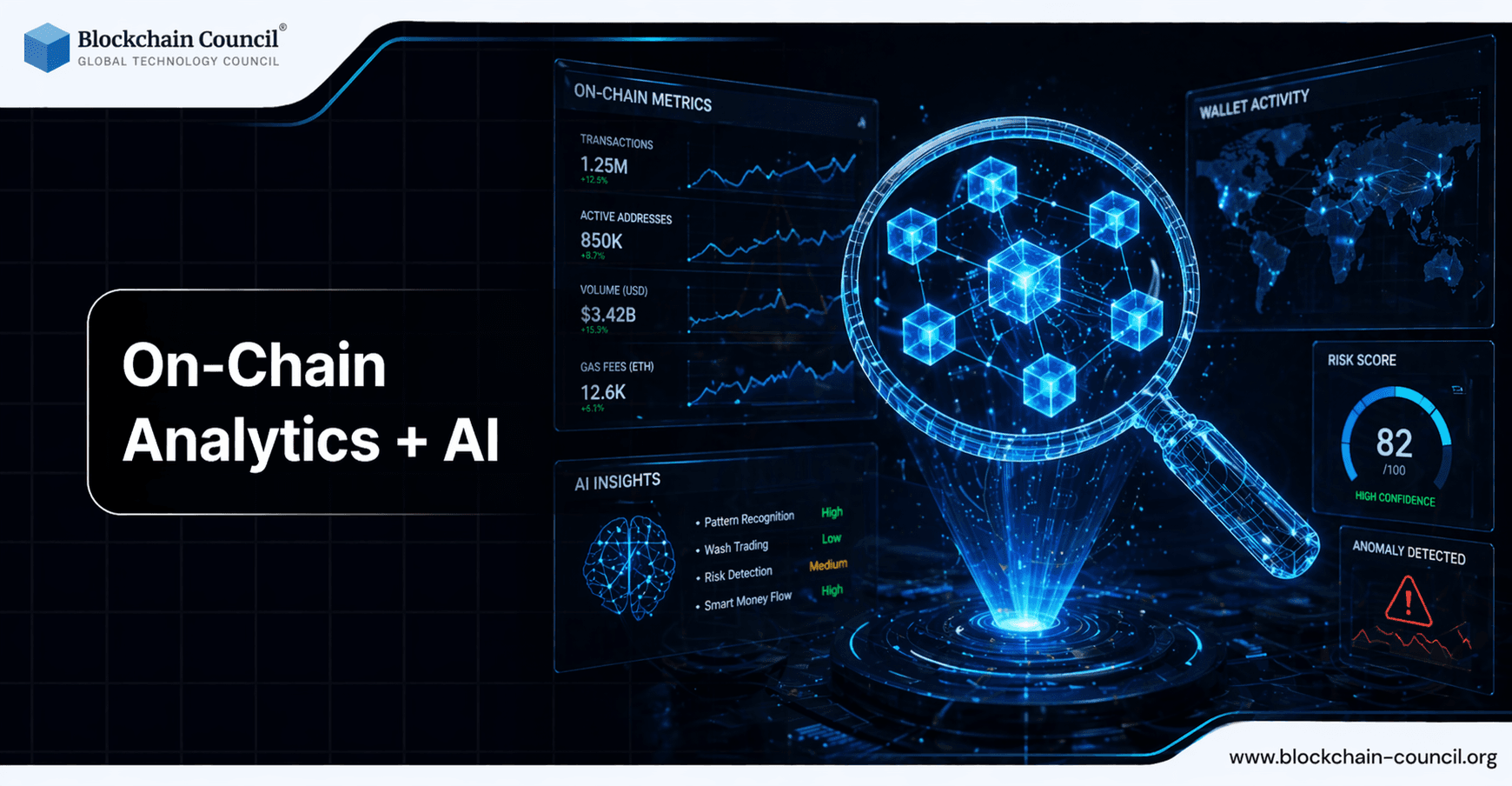
The core difference lies in data provenance. Off-chain data sources rely on centralized exchanges or third-party aggregators, which can introduce latency or manipulation risks. On-chain data, by contrast, is immutable and transparent. Algorithms can monitor wallet movements, smart contract interactions, and gas fees in real time to predict price shifts before they appear on order books.
To understand the structural shift, it helps to compare how these data sources function in a trading context.
| Feature | Off-Chain Data | On-Chain Data |
|---|---|---|
| Source | Centralized exchanges, APIs | Blockchain nodes, explorers |
| Latency | Higher (aggregation delays) | Lower (direct node access) |
| Transparency | Opaque (proprietary feeds) | Transparent (public ledger) |
| Use Case | Order book depth, market sentiment | Wallet tracking, contract events, gas trends |
When building strategies, you are essentially choosing between reacting to what the market says it is doing versus what it is doing. On-chain analysis measures intrinsic value and activity, providing a layer of fundamental truth that off-chain metrics often miss. This allows for more resilient algorithms that are less susceptible to short-term noise.
Scaling infrastructure for real-time research
Real-time onchain research demands infrastructure that can process high-frequency data without latency. When AI models analyze market sentiment or execute generative strategies, the underlying system must handle thousands of transactions per second while maintaining strict data integrity. This isn't just about speed; it's about consistency. A delayed insight is often a worthless one in volatile markets.
To achieve this, we need a layered approach. At the base, we rely on efficient data indexing to capture onchain events as they happen. Above that, we use distributed computing to run AI inference tasks in parallel. This separation of concerns allows us to scale each component independently. For instance, you might need more compute power for model training but more storage for historical data.
The cost of this infrastructure is significant, but it's an investment in reliability. Downtime or data corruption can lead to substantial financial losses. Therefore, we prioritize redundancy and fault tolerance in our design. We also leverage provider-backed tools to monitor performance in real-time, ensuring that our systems remain responsive under load.
Checklist for implementing onchain strategies
Building a generative strategy onchain requires rigorous validation before deployment. Treat this checklist as your pre-flight inspection to ensure your algorithm can handle the volatility and complexity of the onchain economy.

Onchain data is the fuel for your AI. Ensure your inputs come from reliable, transparent sources like Amberdata or direct RPC nodes. Garbage in, garbage out applies heavily here; if your data pipeline breaks, your strategy fails.
Set hard caps on capital allocation and slippage. Automated yield strategies can generate steady returns, but they can also drain liquidity during flash crashes. Define your maximum drawdown tolerance before you write a single line of code.

Never deploy directly to mainnet. Use testnets or forked environments to simulate market conditions. This allows you to catch logic errors and gas optimization issues without risking real assets.
Your AI agent will interact with immutable contracts. Ensure your code handles edge cases like reentrancy attacks or unexpected token decimals. A formal audit of your strategy’s interface with DeFi protocols is non-negotiable for high-stakes deployments.

The market changes faster than any static strategy. Set up real-time alerts for performance deviations. Use onchain analytics to track your strategy’s health and adjust parameters as market regimes shift.
No comments yet. Be the first to share your thoughts!