Defining onchain generative infrastructure
The term "onchain generative infrastructure" describes a specific layer of blockchain technology where artificial intelligence models and computations operate directly within the network. Unlike traditional AI, which typically relies on centralized servers or off-chain APIs to process data, onchain AI performs inference and decision-making as part of smart contracts or decentralized infrastructure.
To understand this distinction, it helps to look at how data is handled. An on-chain transaction is one that's recorded directly on a blockchain, a public ledger that's visible to anyone and immutable once confirmed. The record is logged permanently on a shared, decentralized network. When generative AI is integrated into this system, the model's outputs and the logic driving them are not hidden behind a corporate firewall. Instead, they become part of the onchain economy, introducing a new way to create, own, and exchange digital assets.
This setup changes the fundamental architecture of AI. Blockchain technology serves as the underlying infrastructure required for many AI tools, while simultaneously adding value to AI by ensuring transparency and verifiability. The onchain economy represents cryptocurrency transactions and activity on the blockchain, creating a symbiotic relationship where AI provides the generative power and blockchain provides the trustless execution layer. This is not just about moving data faster; it is about moving intelligence onto a public, auditable ledger.
The compute and data layers
Generative models don’t run in a vacuum. They sit on a stack of hardware and data layers that determine how fast, cheap, and verifiable onchain AI becomes. Think of this foundation like the plumbing in a house: invisible when it works, but the entire system fails if the pipes are too narrow or the pressure is wrong.
Compute provides the raw processing power. Training large language models requires massive GPU clusters, while inference—the act of generating a response—needs lower-latency access to those same resources. Onchain, this means smart contracts must interface with decentralized compute networks that can verify the work was actually done. Without this layer, you have no way to trust that the AI output is genuine and not a hallucination or a scam.
Data availability ensures the information the models use is accessible and immutable. Blockchain networks like Ethereum or Solana act as the settlement layer, but they aren’t designed to store terabytes of training data. Instead, specialized data availability layers (like Celestia or EigenDA) blob data off-chain while keeping cryptographic proofs on-chain. This separation allows generative models to access vast datasets without clogging the main blockchain with heavy files.
Together, these layers create a feedback loop. Cheaper compute lowers the cost of inference, which increases usage, which in turn drives demand for more efficient data storage. The result is a decentralized infrastructure that can scale alongside traditional cloud providers, but with the added benefit of transparency.
AI agents executing on-chain
Autonomous AI agents are no longer just simulating trades; they are actively managing capital and executing transactions directly on the blockchain. This shift marks a transition from passive on-chain AI to agentic infrastructure, where code-based agents handle asset allocation, position management, and complex multi-step operations without human intervention.
Projects like Fetch.ai (FET) are building the foundational agent networks that enable this autonomy. These agents operate as independent economic actors, capable of negotiating with other protocols, executing smart contracts, and rebalancing portfolios in real-time. The infrastructure supports this by providing the necessary oracle feeds and transaction execution layers that agents rely on to act with speed and precision.
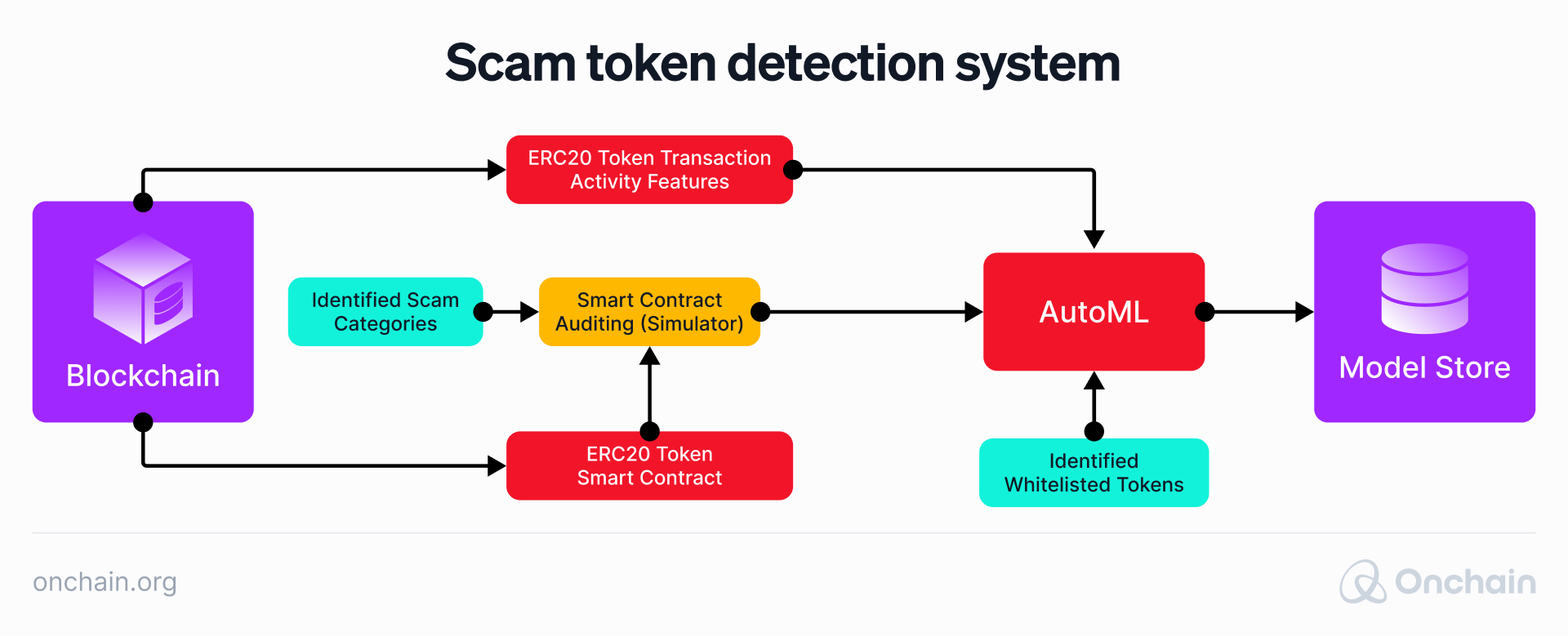
Agents monitor market conditions and execute trades based on predefined strategies or machine learning models. They can allocate capital across multiple DeFi protocols to maximize yield or hedge against volatility, acting as 24/7 portfolio managers.

Beyond simple trading, agents can engage in complex negotiations. They can interact with other agents or smart contracts to secure liquidity, provide services, or execute decentralized autonomous organization (DAO) tasks, creating a new layer of machine-to-machine commerce.

Agents continuously monitor their positions and adjust them based on live data. This includes rebalancing portfolios, claiming rewards, or exiting positions when conditions change, ensuring that capital is always deployed efficiently according to the agent's logic.
The performance of this sector is closely tied to the broader AI and crypto convergence. The FET/ASI token, representing the Fetch.ai ecosystem, serves as a key indicator of market sentiment toward on-chain agent infrastructure. Its price action reflects investor confidence in the viability of autonomous agents managing real value.
As these systems mature, the distinction between "AI" and "on-chain" will blur. Agents will become the primary interface for interacting with decentralized finance, handling the complexity of gas fees, slippage, and protocol interactions behind the scenes. This infrastructure is not just about automation; it is about creating a new class of digital entities that can own, manage, and grow capital autonomously.
Market viability and profitability
Building on onchain generative infrastructure shifts the economic model from centralized opacity to transparent, verifiable computation. The core value proposition lies in how costs are structured and who captures the surplus. Traditional cloud AI relies on proprietary data centers where pricing is opaque and margins are thick. Onchain inference, by contrast, uses decentralized compute networks where competition drives prices down and users retain ownership of the model weights and outputs.
The profitability of this stack depends on the spread between the cost of compute and the value of the generated data or service. Early adopters are finding that while raw inference costs on decentralized networks can still be higher than subsidized cloud instances, the long-term viability improves as network effects scale. The market is moving toward a hybrid model where heavy training happens off-chain, but inference and verification happen on-chain to ensure integrity.
To understand the economic reality, it helps to compare the unit economics of traditional cloud AI against emerging onchain inference providers. The table below illustrates the typical cost structures and operational differences that define this market segment.
| Feature | Traditional Cloud AI | Onchain Inference |
|---|---|---|
| Compute Source | Centralized Data Centers | Decentralized Node Networks |
| Pricing Model | Opaque, Volume Discounts | Transparent, Tokenized Payments |
| Data Ownership | Provider Retains Rights | User Retains Rights |
| Verification | Black Box | On-Chain Proofs |
| Scalability | Provider-Limited | Network-Limited |
For investors and builders, the key metric is not just the cost per token, but the cost of verification. As onchain generative models mature, the ability to prove that a specific output was generated by a specific model without revealing the underlying weights becomes a premium feature. This shifts the market from a commodity compute race to a value-added verification service.
Strategic tools for builders
The onchain generative stack moves from theory to practice through a specific set of developer tools. These platforms handle the heavy lifting—connecting AI models to blockchain nodes, managing data availability, and executing smart contracts with generative outputs.
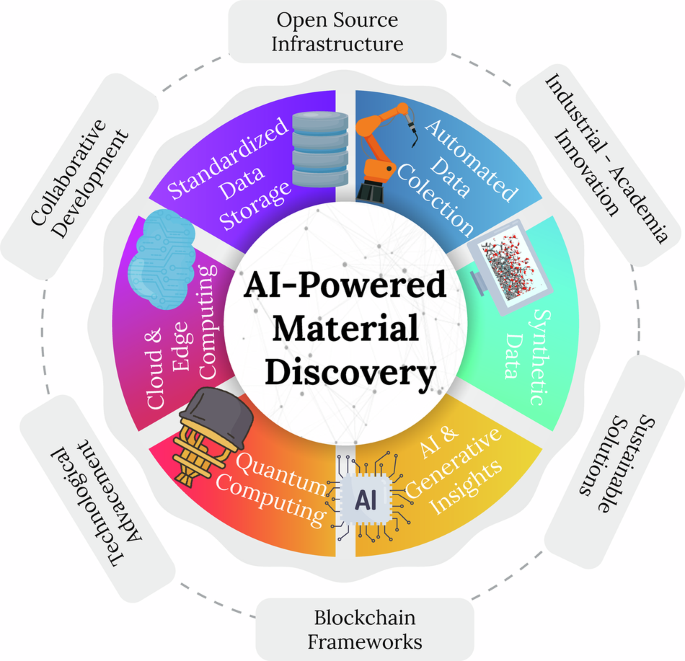
Start with the Onchain Generative Hub to understand the convergence of AI and blockchain. This resource outlines the foundational architecture, helping you identify which layer of the stack your application will inhabit. It serves as the primary reference for navigating the technical landscape of onchain AI infrastructure.
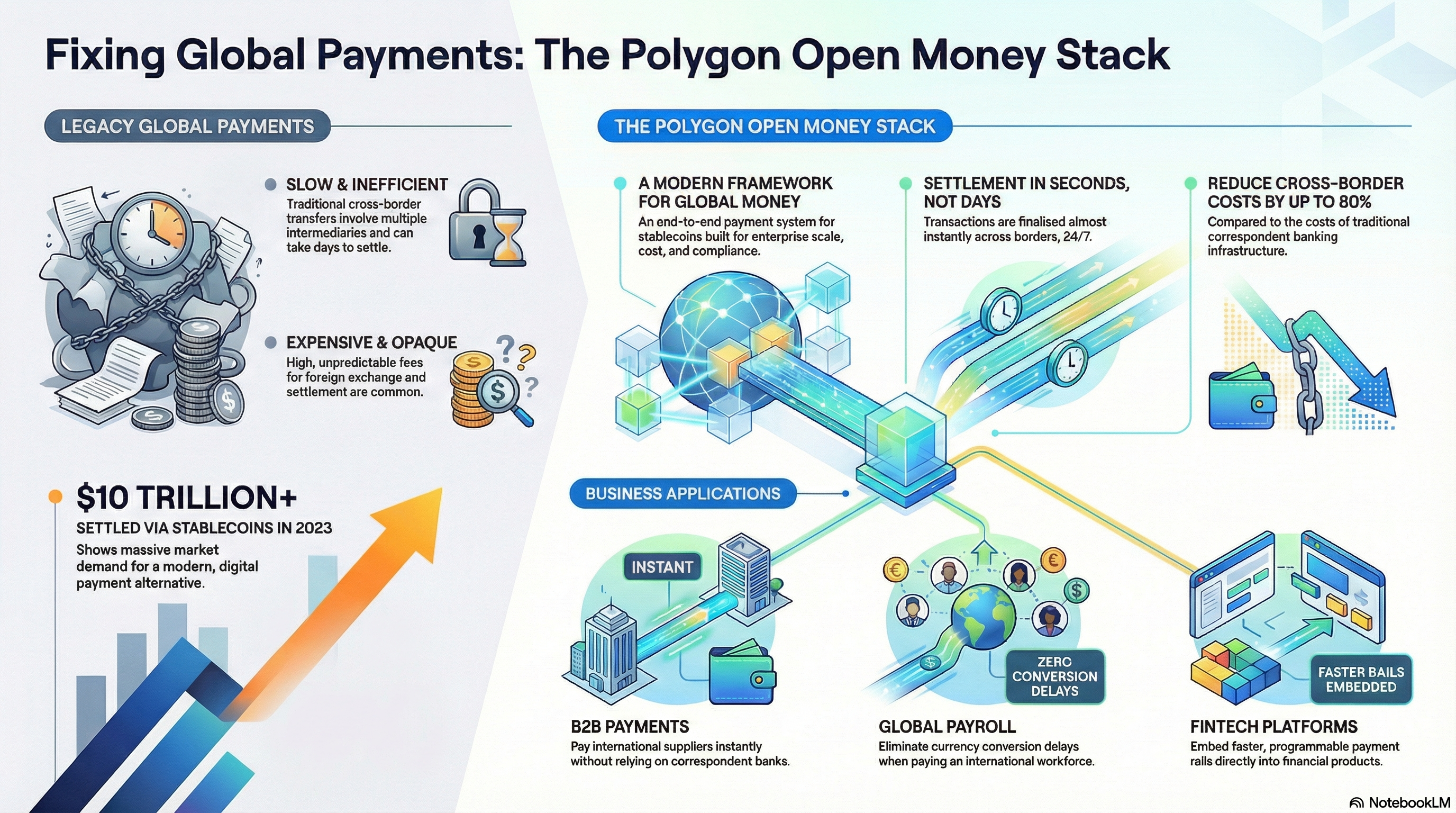
Polygon Labs recently launched the Open Money Stack, a framework designed to simplify global payments and onchain interactions. Using their SDK allows developers to build compliant, scalable applications that leverage existing liquidity and user bases without reinventing the underlying settlement layer.

For builders managing private keys and signing transactions, hardware wallets and developer kits are essential. These tools ensure that the generative outputs and smart contract interactions remain secure against external threats, bridging the gap between complex onchain logic and user-friendly interfaces.


- Secure key storage
- Multi-currency support
- Developer API access

As an Amazon Associate, we may earn from qualifying purchases.
No comments yet. Be the first to share your thoughts!