The infrastructure gap in onchain ai
Onchain generative infrastructure is currently facing a structural disconnect. Offchain AI models have achieved remarkable capabilities in reasoning and generation, but the bridge to onchain execution remains fragile. Most AI agents operate in isolated silos, unable to interact with smart contracts or decentralized data oracles without significant friction. This gap prevents the seamless flow of value that defines a mature digital economy.
The core problem is economic, not just technical. For onchain AI to scale, the value generated by token utility must exceed the computational cost of running the model. As noted by Mantle, if a token costs $0.50 per million operations, the system should ideally generate at least $1.00 in value per million tokens to remain sustainable. Without this positive unit economics, AI-driven onchain applications will struggle to attract institutional capital or maintain long-term viability.
Radius Tech highlights that for the onchain economy to match the accessibility of today’s internet, it requires infrastructure that is massively scalable and extremely efficient. Current solutions often rely on centralized inference layers, which reintroduces the very centralization risks that onchain systems aim to eliminate. True onchain generative infrastructure must resolve this tension, ensuring that AI agents can operate autonomously, securely, and profitably within decentralized networks.
Execution layers for agentic markets
Building autonomous agents requires more than just language models; it demands infrastructure that can execute trades and manage assets with minimal friction. The shift toward onchain generative infrastructure is driven by the need for low-latency execution and robust DeFi rails. Agents must operate in real-time, reacting to market data faster than human traders can, which necessitates blockchains designed for speed and cost-efficiency.
Two networks currently lead this charge by offering the necessary technical backbone. Injective provides specialized AI finance solutions, focusing on blockchain execution and infrastructure for agentic onchain markets. Meanwhile, Base is rapidly gaining traction as a home for agent infrastructure, with community discussions highlighting a tipping point in adoption for onchain agents.
The following comparison outlines how these execution layers differ in their approach to supporting autonomous agents.
| Network | Primary Focus | Key Strength | Agent Support |
|---|---|---|---|
| Injective | AI Finance | Low-latency execution | Specialized infrastructure |
| Base | L2 Scalability | Low transaction costs | Growing ecosystem |
For agents to function effectively, they need to interact with decentralized exchanges and liquidity pools without hitting prohibitive gas fees or latency bottlenecks. Injective addresses this by optimizing for high-frequency trading scenarios, making it a preferred choice for financial agents. Base, on the other hand, leverages Ethereum's security while keeping costs low, allowing for a broader range of agent activities beyond pure finance.
The choice of execution layer often dictates the type of agents that can thrive. Financial trading bots benefit from Injective's speed, while general-purpose agents might prefer Base's lower costs and broader accessibility. As the onchain generative infrastructure matures, we expect to see more specialized chains emerge, each tailored to specific agent workloads.



As an Amazon Associate, we may earn from qualifying purchases.
Designing the onchain generative strategy
Building an onchain generative strategy requires shifting from theoretical AI models to practical, revenue-generating applications. The goal is to structure infrastructure that can handle massive scale while maintaining the security and transparency that define the onchain economy. As noted by Radius, the onchain economy must be powered by infrastructure that is massively scalable to match the accessibility of today’s internet [src-serp-2]. This shift demands a clear roadmap that integrates agent support, data availability, and user-friendly interfaces.
To move from concept to execution, follow this structured approach:
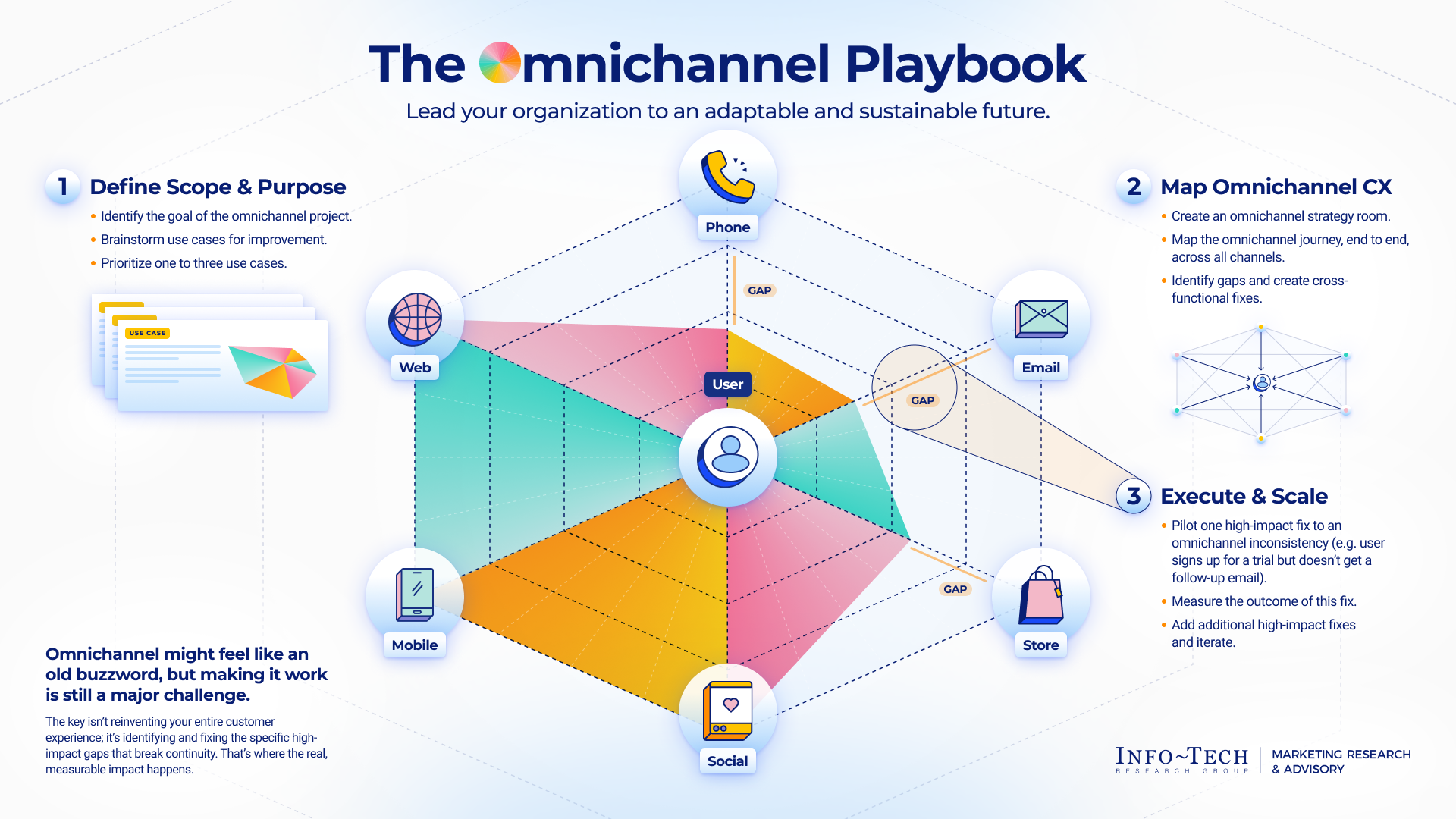
Start by evaluating the throughput requirements of your generative AI workloads. Onchain operations often face bottlenecks in data availability and transaction finality. Choose a layer or sidechain that supports high-frequency inference without compromising on decentralization. This foundational choice dictates your operational cost and user experience.
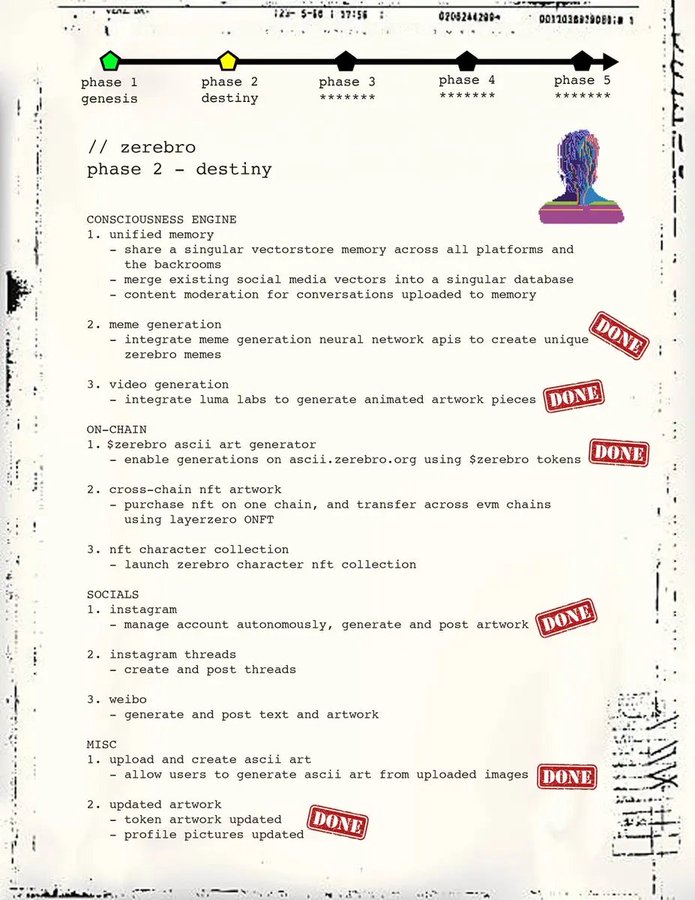
Compare specialized onchain generative infrastructure providers. Look for platforms that offer native support for agentic workflows and modular AI models. A comparison of key providers like Radius and Injective can reveal differences in scalability, agent support, and developer tooling [src-serp-5]. Prioritize those with robust SDKs and clear documentation for integrating AI agents.
Design your application to leverage autonomous agents that can interact with onchain data and execute transactions. These agents should be able to monitor market conditions, execute trades, or manage data feeds based on predefined AI models. Ensure that the agents have clear boundaries and security protocols to prevent unauthorized actions.

Structure your application to generate sustainable revenue. This could involve tokenomics that reward data providers, subscription models for premium AI insights, or transaction fees for agent executions. Ensure that the value flow is transparent and aligns with the incentives of all participants in the ecosystem.
Before full deployment, rigorously test your onchain generative infrastructure. Simulate various market conditions and agent behaviors to identify potential vulnerabilities. Iterate on the model and infrastructure based on feedback and performance metrics. Continuous improvement is essential for maintaining relevance and security in the fast-moving onchain AI space.
When designing your strategy, consider the trade-offs between centralization and decentralization. Highly centralized AI models may offer better performance but lose the trustless nature of onchain applications. Conversely, fully decentralized models may struggle with scalability. Finding the right balance is critical for long-term success.
By following these steps, you can build a robust onchain generative strategy that leverages the power of AI while maintaining the integrity of the onchain ecosystem. Focus on scalability, agent integration, and sustainable revenue models to create a competitive advantage in this emerging space.
Institutional capital meets onchain generative infrastructure
The gap between traditional finance’s appetite for yield and the onchain economy’s capacity to deliver it is narrowing. This convergence is where onchain generative infrastructure proves its value. It’s no longer just about speculative tokens; it’s about infrastructure that can handle the complexity of institutional-grade assets while leveraging AI to automate and optimize value flows.
Mantle’s recent move to tokenize equity is a clear signal. By bringing real-world financial instruments onchain, they’re demonstrating that the infrastructure can support the security and compliance standards required by traditional markets. This isn’t just a tech demo; it’s a blueprint for how AI agents and onchain systems can interact to create liquid, transparent markets for previously illiquid assets.
The economic model is shifting. As Mantle’s leadership noted, value accrual must outpace the cost of the underlying token. If the infrastructure is efficient, the yield generated by these generative assets should significantly exceed the cost of running them. This dynamic creates a sustainable loop where institutional capital flows into onchain systems because the math works better than in legacy systems.
Common questions on onchain ai
Onchain generative infrastructure is reshaping how digital assets interact with artificial intelligence. As this market matures, users frequently ask about safety, legitimacy, and the actual utility of these tools.
No comments yet. Be the first to share your thoughts!